
Organising Committee
Chairman
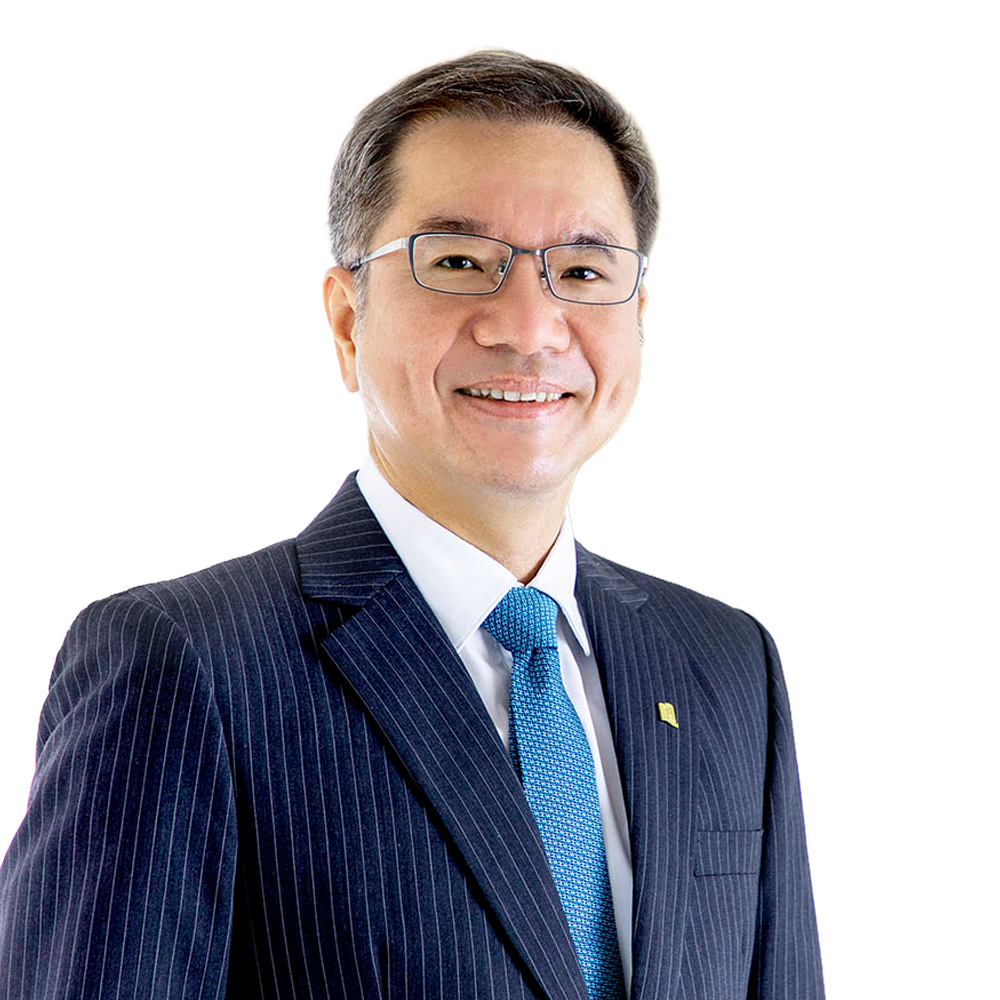
Professor Terence Lok-ting Lau
- Interim Chief Innovation Officer, Hong Kong Baptist University
- Chairman, Food Safety Consortium
- Chairman, FoodMed 2026 Organising Committee
- Director, Wu Jieh Yee Institute of Translational Chinese Medicine Research
Professor Terence Lok-ting Lau
- Interim Chief Innovation Officer, Hong Kong Baptist University
- Chairman, Food Safety Consortium
- Chairman, FoodMed 2026 Organising Committee
- Director, Wu Jieh Yee Institute of Translational Chinese Medicine Research
Professor Terence Lok-ting Lau
- Interim Chief Innovation Officer, Hong Kong Baptist University
- Chairman, Food Safety Consortium
- Chairman, FoodMed 2026 Organising Committee
- Director, Wu Jieh Yee Institute of Translational Chinese Medicine Research
Related Programme
Biography
Professor Terence Lau has dedicated over 20 years in technology and entrepreneurial ventures, especially in the research & development and commercialisation of innovative products. As the Interim Chief Innovation Officer of the Hong Kong Baptist University (HKBU), Professor Lau will strategically drive high-impact research, the translation and transfer of HKBU’s cutting-edge innovations, as well as policy research in innovation and technology overall. He is also a Senior Advisor to the President and Vice-Chancellor and Honorary Professor of the School of Chinese Medicine.
Professor Lau started his career in a renowned Swiss-based multinational company, and was then involved in setting up biotechnology companies and has developed over a hundred products particularly in the area of biotechnology. He returned to the academia in 2013 and worked with various stakeholders to promote high-impact research, their translation and application through bridging the gap in technology readiness between academic inventions and real-life applications. Prior to joining HKBU, he was the Interim Associate Vice President (Innovation and Technology Development) at The Hong Kong Polytechnic University.
In light of his expertise, Professor Lau serves various advisory roles in the industry, government, as well as supranational bodies. He is currently a member of the Advisory Council on Food and Environmental Hygiene and the Expert Committee on Antimicrobial Resistance. He has also served in the Small and Medium Enterprise Committee, and many others related to intellectual properties, innovation and technology development, and food and agricultural development. He is the founder and Chairman of Food Safety Consortium, a charitable organisation which has become the first WHO/FAO Codex Alimentarius NGO observer from China. He has also been appointed as a committee member of the National Technical Committee on Biometrology of China since 2009. Professor Lau served as Advisor, Adjunct Investigator / Professor in a number of institutions and was a Senior Advisor to United Nations Office for Project Services (UNOPS). He is also the founding Chairman of the Board of the DISH Global Centre for Food Safety & Quality, a non-profit alliance to promote food related collaborations among EU – Hong Kong / China / Asia Pacific.
Professor Lau has co-authored a number of peer-reviewed scientific articles and is the co-inventor of a number of patents. He has also co-developed five Chinese National Standards and is the recipient of the Beijing Municipal Technology Award and Chinese Medical and Technological Award. Professor Lau has also been awarded the International Leadership Award by the International Association for Food Protection in the United States in recognition of his contributions to food safety.
Professor Lau graduated from The University of Hong Kong with an honours bachelor of science degree in Animal and Plant Biotechnology and subsequently received scientific training at Indiana University (Bloomington) and Stanford University School of Medicine in the US. He also received his Master of Philosophy degree in Biology from the Hong Kong University of Science and Technology, and PhD degree in Physiology from Peking University, China.
Members
(in alphabetical order of surnames)
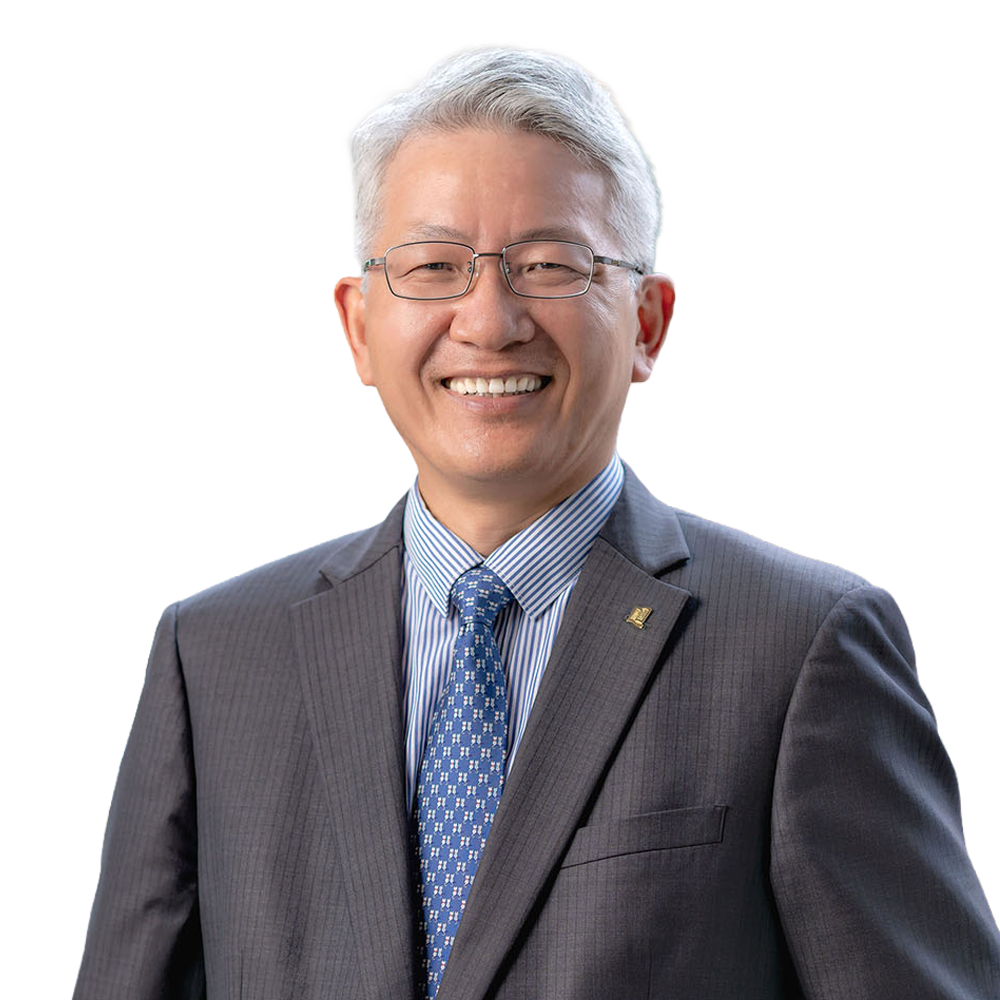
Professor Zhaoxiang Bian, MH
- Associate Vice-President (Clinical Chinese Medicine), Hong Kong Baptist University
- Hospital Chief Executive, The Chinese Medicine Hospital of Hong Kong
- Director, Centre for Chinese Herbal Medicine Drug Development Limited
Professor Zhaoxiang Bian, MH
- Associate Vice-President (Clinical Chinese Medicine), Hong Kong Baptist University
- Hospital Chief Executive, The Chinese Medicine Hospital of Hong Kong
- Director, Centre for Chinese Herbal Medicine Drug Development Limited
Professor Zhaoxiang Bian, MH
- Associate Vice-President (Clinical Chinese Medicine), Hong Kong Baptist University
- Hospital Chief Executive, The Chinese Medicine Hospital of Hong Kong
- Director, Centre for Chinese Herbal Medicine Drug Development Limited
Related Programme
Biography
Professor Zhaoxiang BIAN is currently Associate Vice-President (Clinical Chinese Medicine), Chair Professor in Chinese Medicine and Tsang Shiu Tim Endowed Chair of Chinese Medicine Clinical Studies at Hong Kong Baptist University. He also serves as Hospital Chief Executive of The Chinese Medicine Hospital of Hong Kong; Director of the Vincent V.C. Woo Chinese Medicine Clinical Research Institute; Director of the Centre for Chinese Herbal Medicine Drug Development; and Director of the Chinese EQUATOR Centre at the Hong Kong Baptist University. Professor Bian has long been dedicated to the integrative Chinese and Western medicine management of gastrointestinal diseases. His work encompasses clinical services, clinical and basic research, and new drugs development. He is also actively advancing the standardisation and internationalisation of clinical research in Chinese medicine.
Abstract
Advancing Healthy China Through Food as Medicine
Food as medicine is an important principle of Chinese medicine. As the Healthy China 2030 initiative advances, China has included 110 substances in its catalogue of materials traditionally used as both food and medicine, while the sector is projected to exceed RMB 500 billion. The global functional-food market offers substantial opportunities, but market-entry and regulatory requirements differ across mainland China, Hong Kong and international regions. This presentation explores how traditional wisdom can be combined with scientific evidence and market needs to develop products for different populations, and how collaboration across industry, academia, research, government, business and investment can create a more supportive environment for bringing high-quality products to market and contributing to Healthy China.
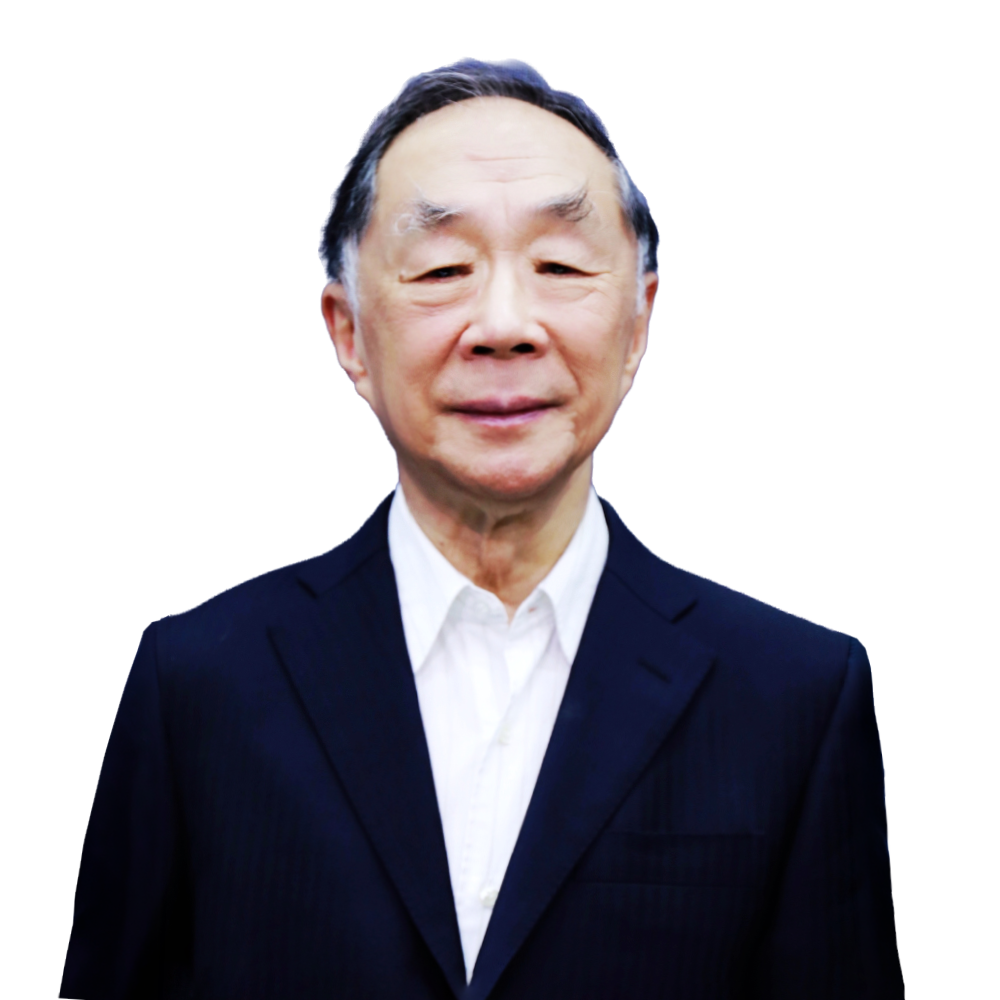
Professor Junshi Chen
- Chief Adviser & Research Professor, China National Centre for Food Safety Risk Assessment
- Member of Chinese Academy of Engineering
Professor Junshi Chen
- Chief Adviser & Research Professor, China National Centre for Food Safety Risk Assessment
- Member of Chinese Academy of Engineering
Professor Junshi Chen
- Chief Adviser & Research Professor, China National Centre for Food Safety Risk Assessment
- Member of Chinese Academy of Engineering
Related Programme
Biography
Professor Junshi Chen is a world renowned food safety and human nutrition scientist, currently served as the chief adviser of China National Centre for Food Safety Risk Assessment. Prof. Chen’s research interests include: food safety risk assessment & risk communication, epidemiological studies on diet, nutrition and chronic diseases and Exercise is Medicine. Recently, he was appointed as the Chief Scientist, 2nd China National Food Safety Standard Reviewing Committee; Chair, Advisory Committee, 2nd China National Food Safety Risk Assessment Expert Committee. His other social responsibilities include: Deputy-chair, Expert Committee, Food Safety Committee of China State Council; President; etc.
Abstract
Worldwide Regulatory Control of Food and Medicine Homology Substances
Medicine and Food Homology is an important concept in Traditional Chinese Medicine (TCM). To apply this concept into food research, development, production and consumption, the traget substance is “food and medicine substances”(the official term in China). The regulatory control of food and medicine substances mainly includes pre-market approval (safety and specification) and functional/health claims (evidence based). So far, there are no well established and harmonized international and/or national regulations and standards, which has become a limiting factor for industry development.
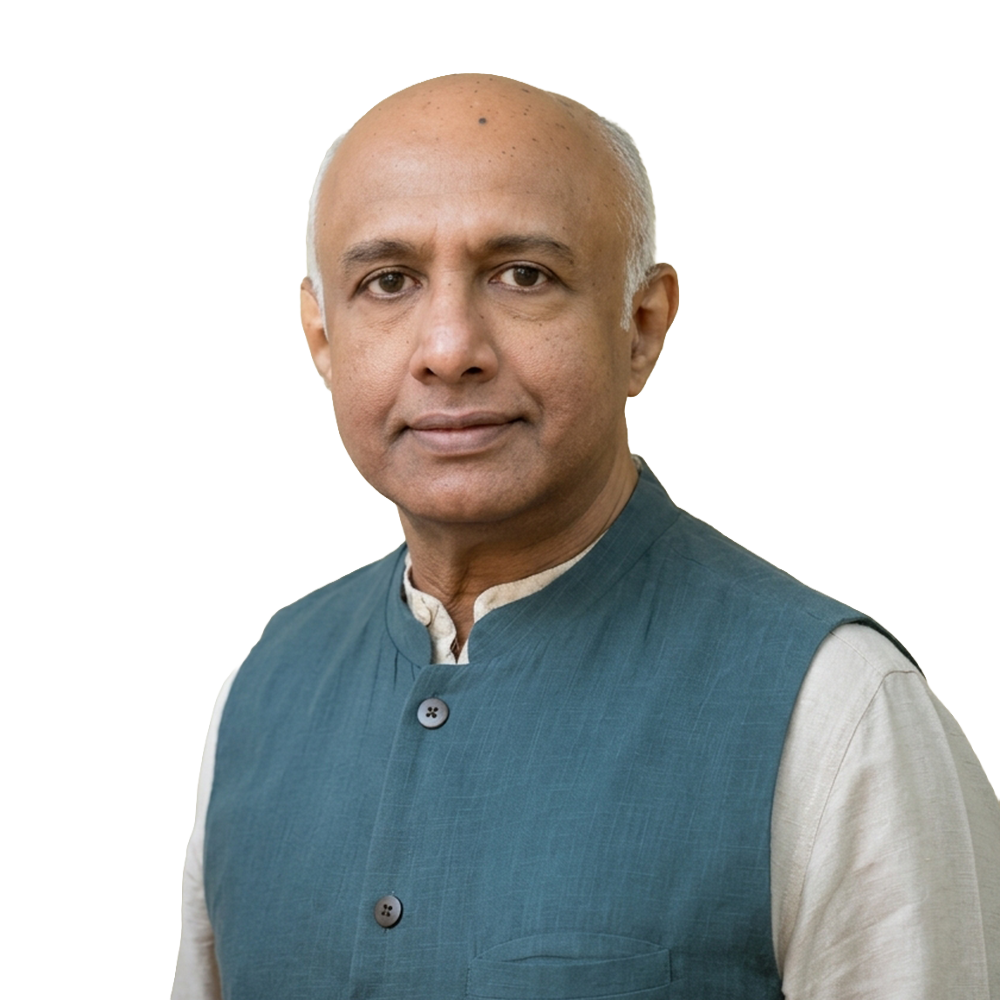
Dr Geetha Krishnan Gopalakrishna Pillai
- Unit Head, Traditional Medicine Research, Data, Sustainability, and Innovation, Global Traditional Medicine Centre, World Health Organization
Dr Geetha Krishnan Gopalakrishna Pillai
- Unit Head, Traditional Medicine Research, Data, Sustainability, and Innovation, Global Traditional Medicine Centre, World Health Organization
Dr Geetha Krishnan Gopalakrishna Pillai
- Unit Head, Traditional Medicine Research, Data, Sustainability, and Innovation, Global Traditional Medicine Centre, World Health Organization
Related Programme
Biography
Dr. Geetha Krishnan Gopalakrishna Pillai is Unit Head for Traditional Medicine Research, Data and Innovation at the World Health Organization (WHO), where Dr. Pillai leads work on evidence, data systems, and innovation for traditional, complementary and integrative medicine (TCIM). The work focuses on research methodologies, real-world evidence, digital data architectures, and equitable innovation linked to biodiversity and Indigenous knowledge systems. Dr. Pillai contributes to implementation of the WHO Traditional Medicine Strategy 2025–2034 and to the scientific and policy agenda of the WHO Global Traditional Medicine Centre. Dr. Pillai has contributed to global initiatives linking traditional medicine, planetary health, and sustainable development, and supports Member States in integrating TCIM into health systems through evidence-informed approaches. With a background in clinical practice and research, experience spans drug discovery and development, intellectual property, health systems, research policy, and global health strategy. Dr. Pillai holds an MD in Clinical Pharmacology.
Abstract
Food as Medicine: From Traditional Knowledge to Evidence-Informed Public Health Action
Across cultures, food has long been inseparable from healing, yet its potential remains under-realised in modern health systems. This keynote positions Food as Medicine not as a defined set of products, but as an emerging, multidisciplinary agenda connecting traditional knowledge, nutrition science, implementation research and equitable innovation. Drawing on the mandate of the WHO Global Traditional Medicine Centre and the work of its Traditional Medicine Research, Data and Innovation unit, it examines what current evidence supports, where critical gaps persist, and how real-world data and rigorous methods can responsibly advance the field. Illustrative innovations emerging through the Health and Heritage Innovations (H2I) accelerator, from Indigenous herbal beverages to fortified functional foods and heritage-derived supplements, demonstrate both promise and the need for stronger validation. The presentation closes with a call to build the evidence, partnerships and innovation ecosystem required to translate this opportunity into meaningful, equitable public health impact.
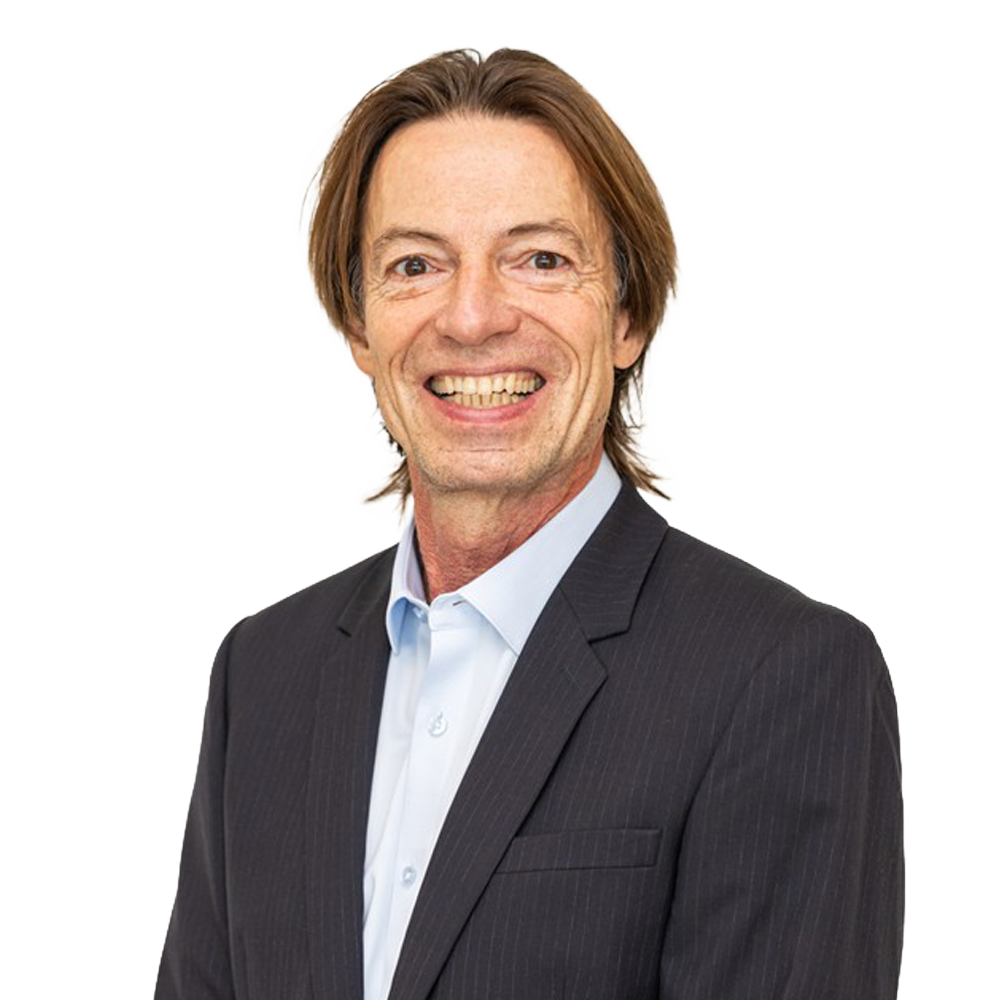
Mr Tom Heilandt
- Secretary General, International Federation for Sustainability and Justice
- Director, TVH Global Advisory Limited
- Former Secretary, Codex Alimentarius Commission
Mr Tom Heilandt
- Secretary General, International Federation for Sustainability and Justice
- Director, TVH Global Advisory Limited
- Former Secretary, Codex Alimentarius Commission
Mr Tom Heilandt
- Secretary General, International Federation for Sustainability and Justice
- Director, TVH Global Advisory Limited
- Former Secretary, Codex Alimentarius Commission
Related Programme
Biography
Tom Heilandt is an international food safety and standards expert with over 25 years of experience. He served as Secretary of the FAO/WHO Codex Alimentarius Commission from 2014 to 2023, guiding international food standards development and negotiations among more than 180 member countries. He is Director of TVH Global Advisory Limited in Hong Kong and Secretary General of the International Federation for Sustainability and Justice in Vienna, connecting civil society, business and international organizations to advance food systems transformation. As Senior Advisor to the Food Safety Consortium in Hong Kong, he has supported preparations for the Food as Medicine conferences in 2024 and 2026. His contributions have been recognized with the Chinese Government Friendship Award and France’s Order of Agricultural Merit.
Abstract
Regulatory Challenges and Practical Next Steps — Opening and Closing Reflections
These opening and closing interventions frame the session and draw together its implications for credible food-as-medicine innovation. The opening introduces three questions: what evidence is needed to assess products, how health benefits can be communicated responsibly, and how regulatory pathways can become clearer for researchers and developers. Drawing on experience in international food standards, it highlights opportunities for dialogue and cooperation across countries. The closing reflects on the speakers’ contributions, identifying common ground, outstanding challenges and possible next steps. Together, the interventions invite participants to consider the most useful actions regulatory systems and stakeholders can take to support innovation while protecting consumer health and trust.
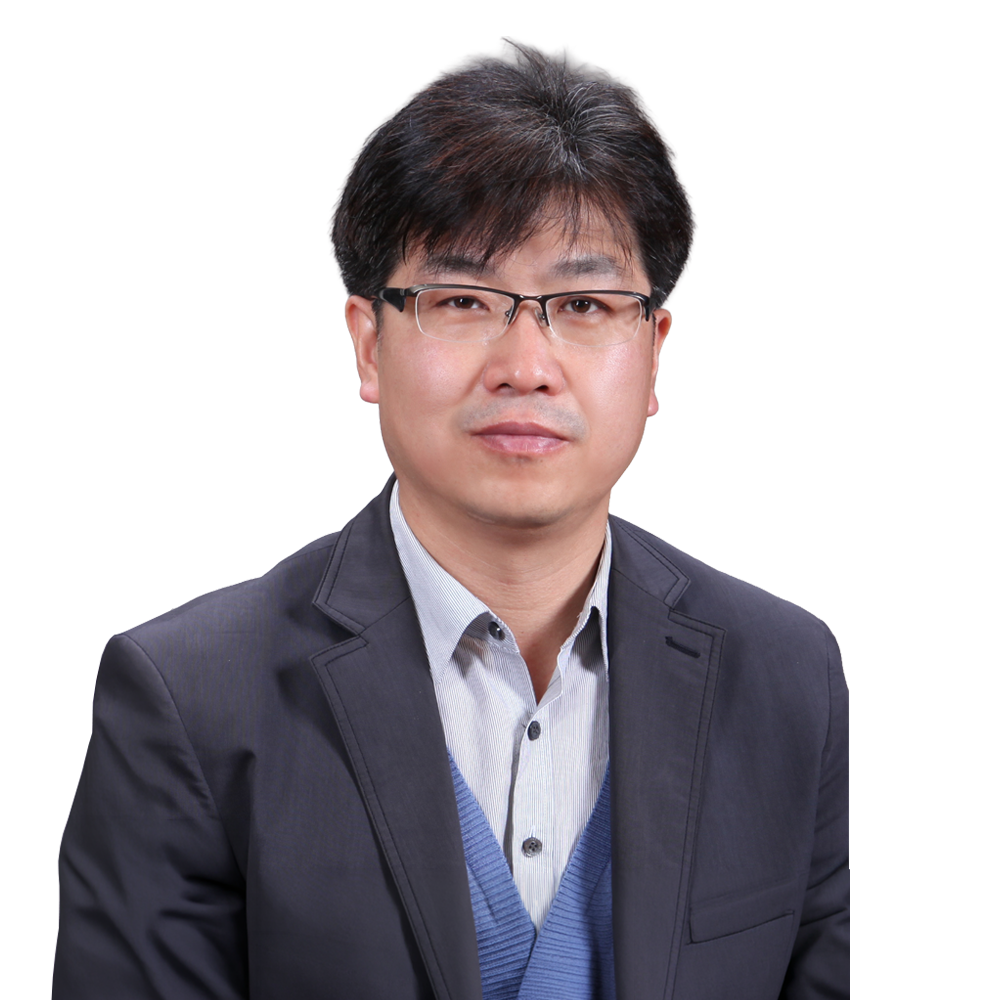
Professor Myeong Soo Lee
- Principal Researcher, Korea Institute of Oriental Medicine
Professor Myeong Soo Lee
- Principal Researcher, Korea Institute of Oriental Medicine
Professor Myeong Soo Lee
- Principal Researcher, Korea Institute of Oriental Medicine
Related Programme
Biography
Professor Myeong Soo Lee is a Principal Researcher at the Korea Institute of Oriental Medicine (KIOM), South Korea. He received his PhD in Oriental Medicine from Wonkwang University in 2004 and completed research training in evidence-based complementary medicine at the Peninsula Medical School, University of Exeter, UK. He has held academic appointments at Beijing University of Chinese Medicine, Tianjin University of Traditional Chinese Medicine, Lanzhou University, the Affiliated TCM Hospital of Guangzhou Medical University, Hong Kong Polytechnic University, and Nanyang Technological University, Singapore. He is also a Research Affiliate at the Osher Center for Integrative Medicine, Brigham and Women’s Hospital, Harvard Medical School. He leads Cochrane Complementary Medicine Korea. In 2026, he was appointed to the WHO Strategic and Technical Advisory Group on Traditional, Complementary and Integrative Medicine (WHO STAG-TM). He has published over 600 SCIE articles, serves on 30+ journal editorial boards, and ranks among Stanford’s top 2% scientists.
Abstract
Food as Medicine in Korea: Evidence and Translational Infrastructure
Korea provides a distinctive setting for translating the principle of medicine–food homology into evidence-based Food as Medicine (FAM) practice. A regulatory list of dual-use herbal–food materials, a health functional food approval system, and a research infrastructure spanning government institutes, universities, and industry have supported three decades of work on foods, herbs, and dietary interventions for disease prevention and treatment. This presentation maps Korea’s research landscape: dominant themes, the balance of preclinical and clinical work, and the growth of randomised trials and systematic reviews. It then asks what this evidence base can and cannot yet support, highlighting heterogeneous outcome measures, uneven reporting quality, and limited safety data on herb–food–drug interactions. Building on these observations, the talk proposes priorities for the field: core outcome sets, risk-proportionate evidence standards, harmonised definitions across jurisdictions, and regional collaboration linking Korea, Hong Kong, and mainland China.
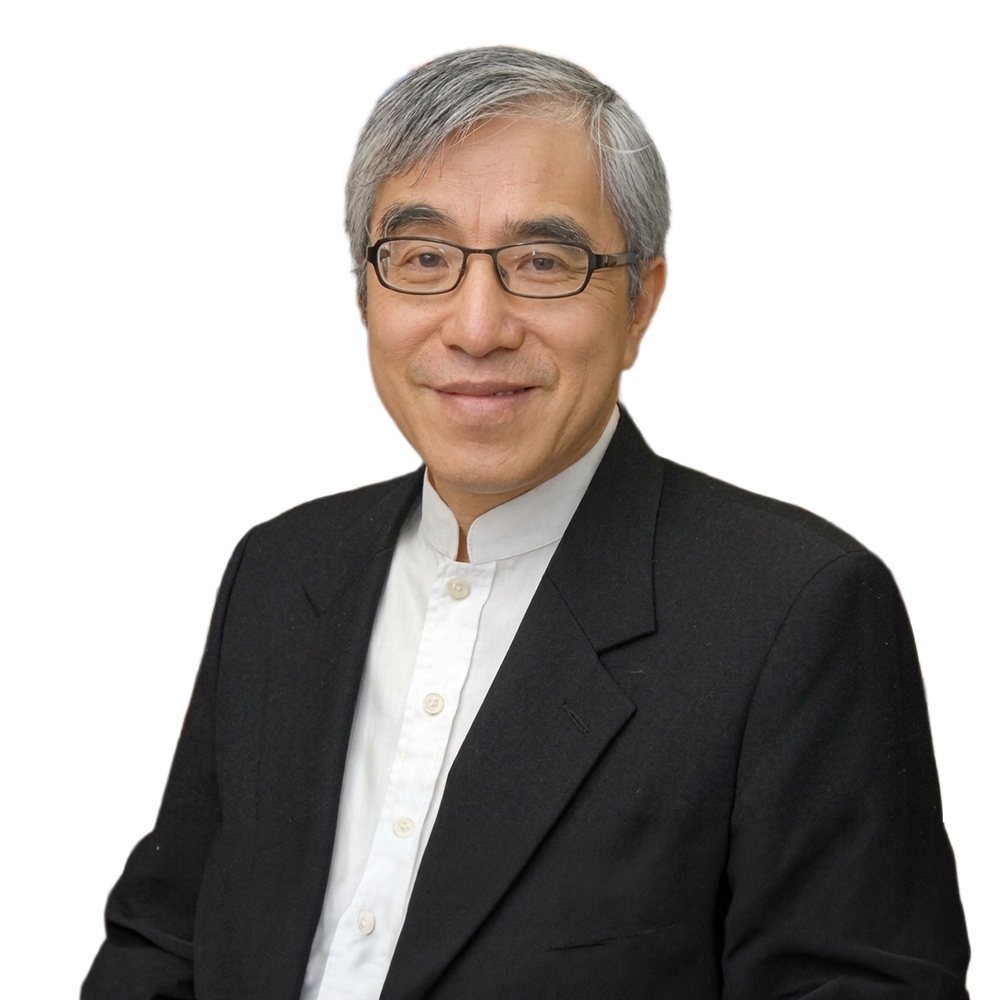
Professor Kwok Fai So
- Director, Guangdong-Hong Kong-Macau Institute of CNS Regeneration, Jinan University
- Member of Chinese Academy of Sciences
Professor Kwok Fai So
- Director, Guangdong-Hong Kong-Macau Institute of CNS Regeneration, Jinan University
- Member of Chinese Academy of Sciences
Professor Kwok Fai So
- Director, Guangdong-Hong Kong-Macau Institute of CNS Regeneration, Jinan University
- Member of Chinese Academy of Sciences
Related Programme
Biography
Member of the Chinese Academy of Sciences, Co-Chairman of the Board of Director of the ChinaSCINet (www.chinascinet.org ), and Editor-in-Chief of Neural Regeneration Research (www.nrronline.org ). Received PhD degree from MIT. He is one of the pioneers in the field of axonal regeneration in visual system. He was the first to show lengthy regeneration of retinal ganglion cells in adult mammals with peripheral nerve graft. He is currently using multiple approaches to promote axonal regeneration after injury in the optic nerve and spinal cord. His team identifies neuroprotective and regenerative factors including: exercise, wolfberry, trophic factors, peptide nanofiber scaffold, and environmental manipulation. 1995 obtained the Natural Science Award of the National Natural Science Foundation of China. 1999 was elected Member of the Chinese Academy of Sciences. 2015 was elected FNAI, US National Academy of Inventors, Fellow.
Abstract
Neuroprotection of Goji Glycopeptide
Learn about how Goji glycopeptide emerges as a promising food-derived neuroprotective agent, capable of mitigating neuronal damage in neurodegenerative diseases through multiple biological pathways, underscoring its potential role in future preventive and therapeutic interventions.
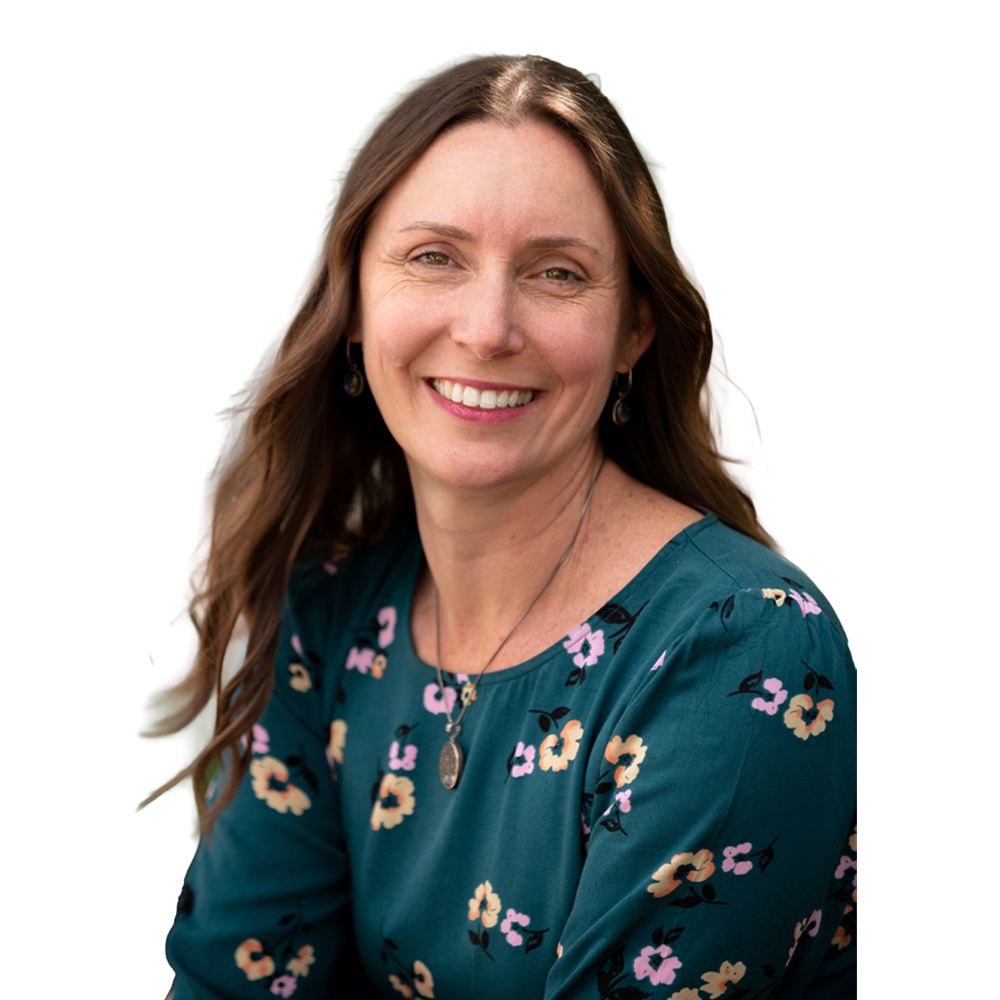
Professor Amie Steel
- Professor of Public Health, National Centre for Naturopathic Medicine, Southern Cross University
Professor Amie Steel
- Professor of Public Health, National Centre for Naturopathic Medicine, Southern Cross University
Professor Amie Steel
- Professor of Public Health, National Centre for Naturopathic Medicine, Southern Cross University
Related Programme
Biography
Prof. Amie Steel is a Professor in Public Health and Director of the Australian Research Consortium in Complementary and Integrative Medicine at Southern Cross University. She is also an Australian Research Council Future Fellow and currently serves as the research lead for the World Health Organization’s Global Research Priority Setting Exercise in Traditional, Complementary and Integrative Medicine (TCIM). With over 300 scholarly publications, her research explores the integration, regulation, and practice of traditional medicine within contemporary health systems. Her work spans women’s health—particularly fertility, pregnancy, and preconception care—as well as the interface between evidence-based medicine and traditional health practices. Methodologically, she specializes in mixed methods research, implementation science, knowledge mobilisation, and pragmatic clinical trials within applied health services research.
Abstract
Building the Research Ecosystem for Food Homology: Funding, Researchers, Infrastructure
This presentation explores how a stronger research ecosystem can be built for Food Homology and Food as Medicine. While interest in therapeutic foods to address health and wellness is growing globally, research capacity remains uneven, with fragmented funding pathways, limited researcher development opportunities, inconsistent infrastructure, and variable integration across sectors. Drawing on an analysis of international TCIM research priorities, this presentation examines the ecosystem conditions required to accelerate high-quality Food Homology research and translation. Key themes include strategic investment in research funding, workforce development and career pathways, research infrastructure and data systems, interdisciplinary collaboration, and mechanisms for translating evidence into policy and practice. Particular attention is given to the role of international partnerships, implementation research, and consumer and community engagement in strengthening relevance and impact. The presentation proposes a roadmap for creating a sustainable and globally connected Food Homology research ecosystem capable of generating robust evidence and supporting healthier populations.
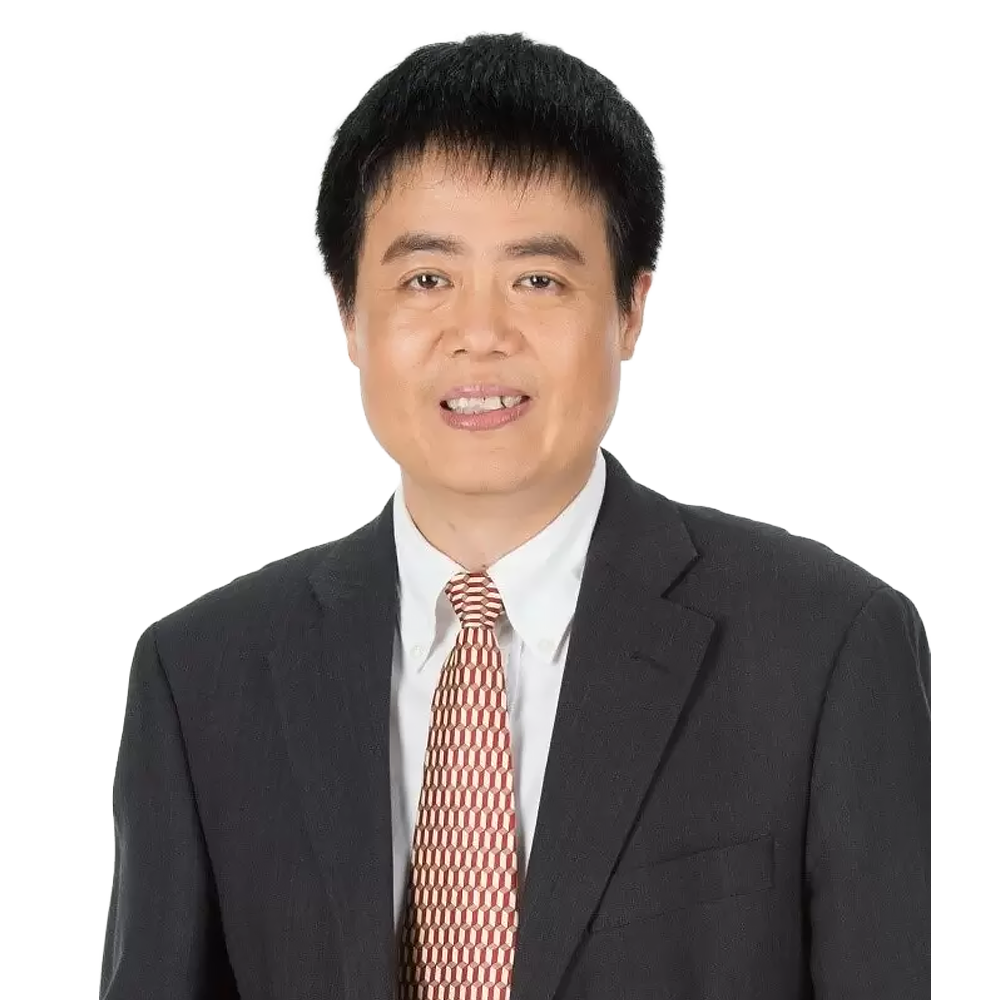
Professor Hongjie Zhang
- Chair Professor and Associate Dean (Teaching and Learning), School of Chinese Medicine;
Cheung On Tak Endowed Professor in Chinese Medicine, Hong Kong Baptist University
Professor Hongjie Zhang
- Chair Professor and Associate Dean (Teaching and Learning), School of Chinese Medicine;
Cheung On Tak Endowed Professor in Chinese Medicine, Hong Kong Baptist University
Professor Hongjie Zhang
- Chair Professor and Associate Dean (Teaching and Learning), School of Chinese Medicine;
Cheung On Tak Endowed Professor in Chinese Medicine, Hong Kong Baptist University
Related Programme
Biography
Professor Zhang is currently a Chair Professor and Associate Dean at the School of Chinese Medicine, Hong Kong Baptist University. He obtained his Ph.D. in phytochemistry, and became a faculty member at the Kunming Institute of Botany, the Chinese Academy of Sciences until 2002. From 2003 to 2011, he was a research faculty member at the College of Pharmacy, University of Illinois Chicago. Professor Zhang specializes in the identification, analysis, synthesis, and biological evaluation of small molecules. Professor Zhang’s research focuses on drug discovery and development from natural resources, as well as the formulation of botanical dietary supplements from herbal medicines. He is particularly interested in identifying natural lead compounds from plants native to the Lingnan region of China and translating them into health products for humans and animals. Target indications include cancer, viruses such as HIV, coronaviruses, flaviviruses, influenza viruses and Ebola viruses, dental pathogens, fungal infections, and malarial.
Abstract
Translational Development of ANL-Based Antivirals from Justicia procumbens: A Commercial Veterinary Opportunity in Pet and Livestock Markets
The continuous global zoonotic outbreaks underscore the urgent need for broad-spectrum veterinary antivirals, as current therapeutics for pets and livestock remain limited. To overcome this challenge, we systematically screened over 5,000 Lingnan plant extracts and identified Justicia procumbens as a promising source of antiviral compounds. Notably, the documented safety profile of this plant as an edible species in Taiwan and Korea minimizes the risks of veterinary formulation development. Our bioassay-guided isolation from this herb yielded arylnaphthalene lignans (ANLs), which act as viral entry inhibitors by targeting host endosomal acidification. This mechanism supports broad-spectrum activity against various viruses, including avian influenza (H5N1), SARS-CoV-2, Ebola, dengue, Japanese encephalitis, and Zika viruses. To utilize these properties, we established Pishon, a company dedicated to translating ANL compounds into commercial antiviral products for pet and farm animals. Overall, this initiative integrates ethnobotany, virology, and commercial strategy to deliver safe and feasible human and veterinary antiviral therapeutics for urgent infectious disease challenges.
Secretary
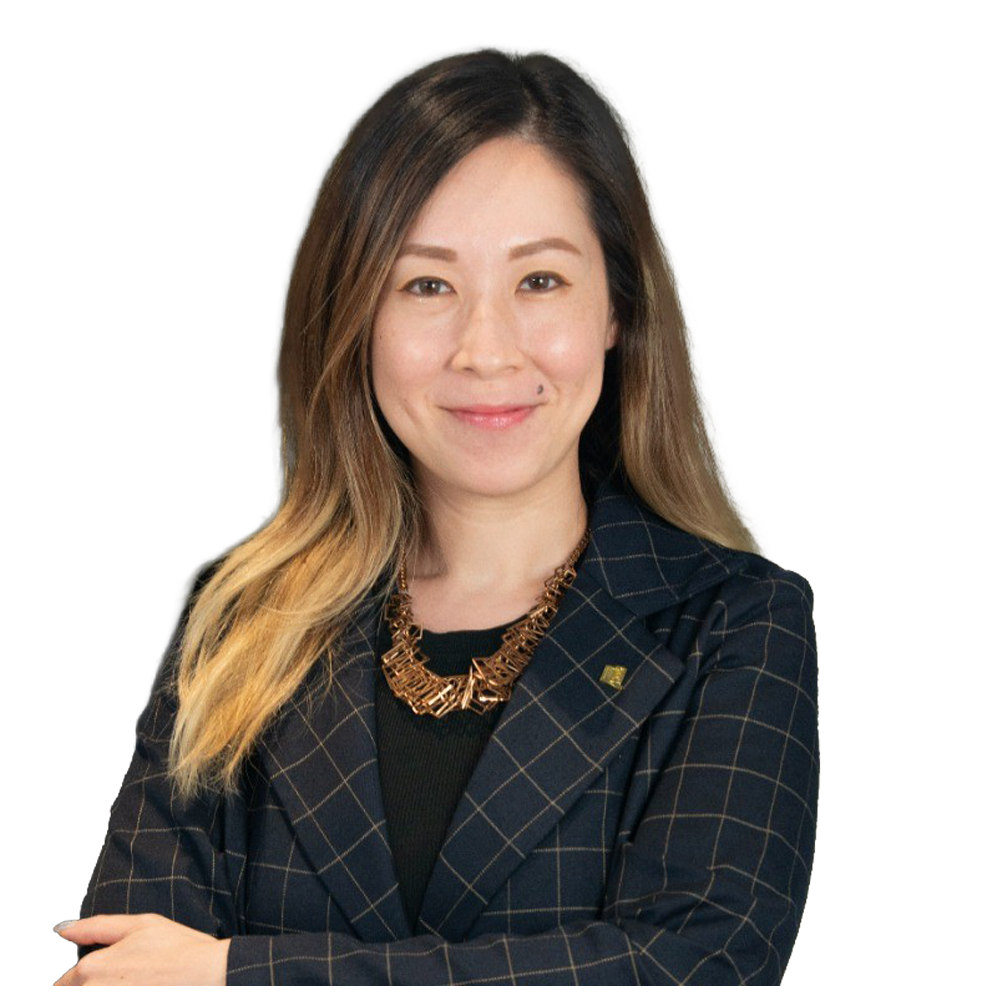
Ms Nelly Lam
- Assistant Director (Strategic Alliance and Promotion), Institute for Innovation and Translation, Hong Kong Baptist University
- Director, Food Safety Consortium
Ms Nelly Lam
- Assistant Director (Strategic Alliance and Promotion), Institute for Innovation and Translation, Hong Kong Baptist University
- Director, Food Safety Consortium
Ms Nelly Lam
- Assistant Director (Strategic Alliance and Promotion), Institute for Innovation and Translation, Hong Kong Baptist University
- Director, Food Safety Consortium
