President and Vice-Chancellor; Chair Professor of Photonics, Hong Kong Baptist University
Bio
(Pre-recorded video)
Chief Scientist and Assistant Director-General for Health Systems, Access and Data a.i., World Health Organization
Bio(Pre-recorded video)
Accelerate the global food as medicine (FAM) movement by uniting traditional wisdom with international strategies, scientific rigor, technology translation, and ecosystem development. Leaders from the WHO, UNIDO, IAEA, and CFSA will present a shared vision for advancing FAM through stronger evidence generation, innovation validation, technology-enabled quality assurance, integrated value-chain development, and globally harmonized standards. The session will examine how real-world evidence, clinical research, advanced analytical technologies, and cross-sector collaboration can accelerate the translation of food-medicine homology and food innovations into trusted, scalable solutions for preventive health and global well-being.
Food as Medicine: From Traditional Knowledge to Evidence-Informed Public Health Action
From Evidence to Enterprise: Building Safe, Sustainable and Inclusive Food-as-Medicine Value Chains (Pre-recorded video)
Food as Medicine: Building Scientific Evidence for Safe and Authentic Products Using Nuclear, Isotopic, and Complementary Analytical Techniques
Worldwide Regulatory Control of Food and Medicine Homology Substances
As scientific advances, traditional knowledge, and emerging technologies continue to shape the FAM landscape, regulatory systems must evolve to support innovation while safeguarding public health. This session brings together global regulatory and scientific leaders to explore the future of FAM governance, from international standards and regulatory convergence to evidence requirements and innovation pathways for next-generation food and health solutions. Through examining both opportunities and challenges across jurisdictions, the session will highlight how agile, science-based regulatory frameworks can accelerate the responsible development and global adoption of FAM.
Regulatory Challenges and Practical Next Steps — Opening and Closing Reflections

Food Safety in Personalized Nutrition: A Focus on Food Supplements and Functional Foods (Pre-recorded video)
Management Policies and Priority Work‑in‑Progress for Food‑Medicine Substances in Chinese Mainland
Application Cases of Synthetic Biology in Macau’s Functional Food Sector—Taking JINDAN Capsule as an Example
From Lab to Market: Building the Engine for Modern Chinese Medicine & Functional Food at HKSTP
Hong Kong: Your Springboard to Success in Asia & Beyond
As interest in healthy ageing and preventive healthcare grows worldwide, FAM is regarded as a transformative pathway for advancing health and longevity. Two pioneering leaders in biomedical science and Chinese medicine will share how traditional wisdom, scientific discovery, and technological innovation are converging to create the future of evidence-based food-medicine solutions. Through insights from frontier research and translational development, the session will highlight the opportunities and challenges in advancing FAM from concept to impact, shaping a healthier and more sustainable future for all.
Developing Food Medicine for Health and Longevity
Advancing Healthy China Through Food as Medicine
Ensuring safety, quality, and consumer trust is fundamental to the advancement of FAM. This plenary session brings together international experts to explore emerging frameworks for food-medicine homology, food safety assessment, contaminant detection, and quality assurance. From evidence-based standards and risk evaluation to cutting-edge analytical and monitoring technologies, speakers will examine how robust scientific and regulatory approaches can support the safe, responsible, and scalable development of Food as Medicine products for global markets.
Expert Consensus on Food-Medicine Homology and Related Issues of Food-Drug Substances
Food Safety: Tracing Radiolabeled Residues to Investigate Their Fate during Food Processing (Pre-recorded video)

Exogenous Contamination Risks and Regulatory and Detection Technologies for Homology of Medicine and Food Products
Learn about how Goji glycopeptide emerges as a promising food-derived neuroprotective agent, capable of mitigating neuronal damage in neurodegenerative diseases through multiple biological pathways, underscoring its potential role in future preventive and therapeutic interventions.
Neuroprotection of Goji Glycopeptide
As FAM gains global recognition, robust scientific evidence is essential for translating traditional knowledge into trusted health solutions. This session explores how ethnobotanical wisdom, traditional medicine practices, and modern research methodologies can be integrated to accelerate innovation and evidence generation. Speakers will share perspectives on validating traditional health products, advancing preventive health interventions, integrating traditional medicine into contemporary healthcare systems, and building the research ecosystems, infrastructure, talent, and partnerships needed to support the future development of FAM. Together, these efforts are shaping a stronger scientific foundation for the responsible and scalable adoption of FAM worldwide.
Ethnobotanical and Traditional Evidence and Pre-Clinical Research – Alignment, Limitations and Opportunities

Integration of Traditional Medicine into the Japanese Healthcare System (Pre-recorded video)
Traditional Chinese Medicine Health Tea Drink
Building the Research Ecosystem for Food Homology: Funding, Researchers, Infrastructure

Bridging TCM wisdom and modern health innovation requires more than discovery. This session examines the translational ecosystem that enables FMH ingredients to become evidence-based products, from quality standardization and advanced analytics to bioavailability assessment and formulation technologies. Speakers will discuss how gut microbiota, absorption pathways, and synergistic formulations influence efficacy, and how robust translational infrastructure is accelerating the development of validated solutions for immune, antiviral, metabolic, and regenerative health.
Wu Jieh Yee Institute of Translational Chinese Medicine Research
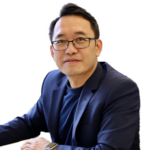
Immune Synergy of Medicine-Food Homologous Polysaccharide Complexes: From the Wisdom of Traditional Chinese Medicine Formulations to Systematic Deconstruction
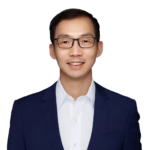
Exploration in Chemical and Biological Analysis of Herb Polysaccharides
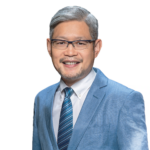
Food as Medicine in Korea: Evidence and Translational Infrastructure
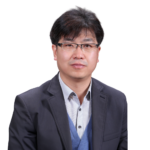
The Story of a Food-as-Medicine Innovation: Unlocking Berberine’s Clinical Potential
Now is the time to accelerate commercialization in the FAM sector. Converging regulatory support, evidence-driven consumer demand, and innovation-friendly policies are creating unprecedented opportunities to bring scientifically validated, culturally grounded products to market. This session explores how rigorous research is transforming traditional knowledge into scalable innovation pipelines, from plant-derived antivirals and precision nutrition solutions to prevention-focused health products. Speakers will examine how Hong Kong’s growing FAM ecosystem is catalyzing investment, talent development, industry partnerships, pilot deployment, and university spinouts, positioning the city as a leading hub for FAM entrepreneurship and venture creation.
Harvest to Health: Navigating and Leveraging Research Opportunities in the Food-Medicine and Science-Tradition Nexus

Translational Development of ANL-Based Antivirals from Justicia procumbens: A Commercial Veterinary Opportunity in Pet and Livestock Markets
Opportunities and Challenges for the Development of Chinese Medicine and Food as Medicine in Hong Kong
Beyond the Bowl: Translating Nutrition Science into Everyday Pet Wellbeing
Deeptech Ventures – Fundraising DAO & Techniques
Discover Hong Kong Baptist University’s emerging pipeline of translational innovations and start-ups in FAM, biotechnology, artificial intelligence, and diagnostics. The session will feature investment-ready technologies and ventures with strong commercial potential, differentiated science, and clear pathways to scale. Engage directly with researchers and entrepreneurs to explore pilot projects, co-development opportunities, strategic partnerships, and investments that can accelerate the next generation of health and wellness innovations.

Sustainable, Scalable Production of Saussurea Involucrata Exosome-Like Nanoparticles for Immune-Health Functional Foods
Research Assistant Professor, School of Chinese Medicine, Hong Kong Baptist University
BioPathway Discovery of an Irregular Monoterpene from Lavender Plants
Yaobao (藥包): An Evidence-Based AI Assistant for Chinese Patent Medicine, Medicinal Food (Homology of Medicine and Food) and Health Supplements
Sheminfu Limited

GastroEase Biotech Limited
Mircoflow Innovation Limited

Pishon Biotech Limited
Crimson Vision Technology Limited
This forward-looking roundtable brings together key insights from FoodMed 2026 to chart the future development of the Food as Medicine (FAM) ecosystem. Drawing on discussions across science, traditional medicine, regulation, investment, entrepreneurship, and public health, the panel will examine the opportunities, challenges, and priorities for advancing evidence-based FAM innovation. The session will explore how stakeholders can strengthen research translation, regulatory frameworks, industry adoption, and cross-sector collaboration to accelerate impact. The discussion will conclude with a shared vision and actionable recommendations to drive the next phase of FAM development globally.
Professor Furong Zhu
Founder of Crimson Vision Technology Limited
Professor Furong Zhu
Founder of Crimson Vision Technology Limited
Professor Furong Zhu
Founder of Crimson Vision Technology Limited
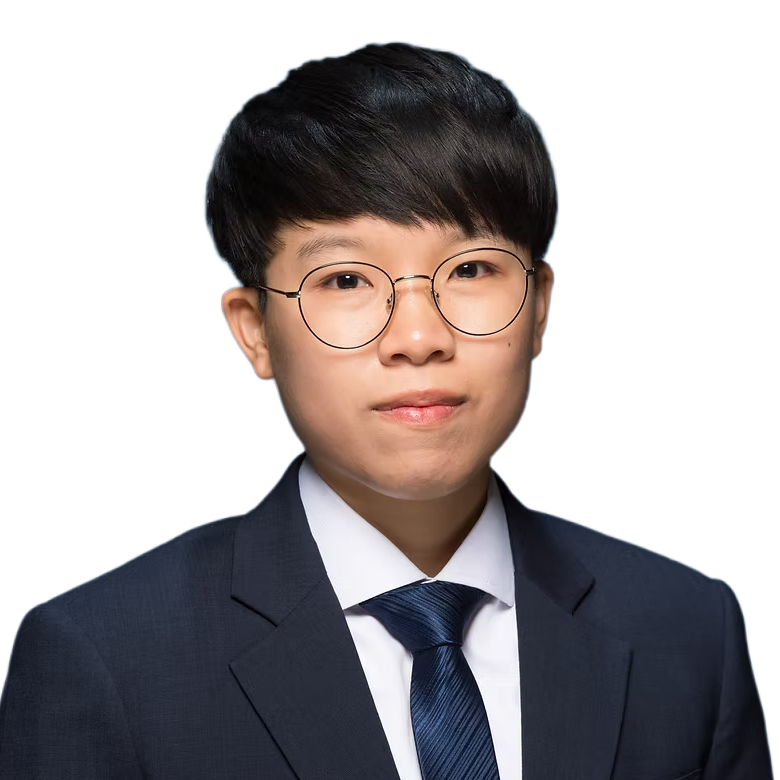
Miss Kid Chan
Manager of Pishon Biotech Limited
Miss Kid Chan
Manager of Pishon Biotech Limited
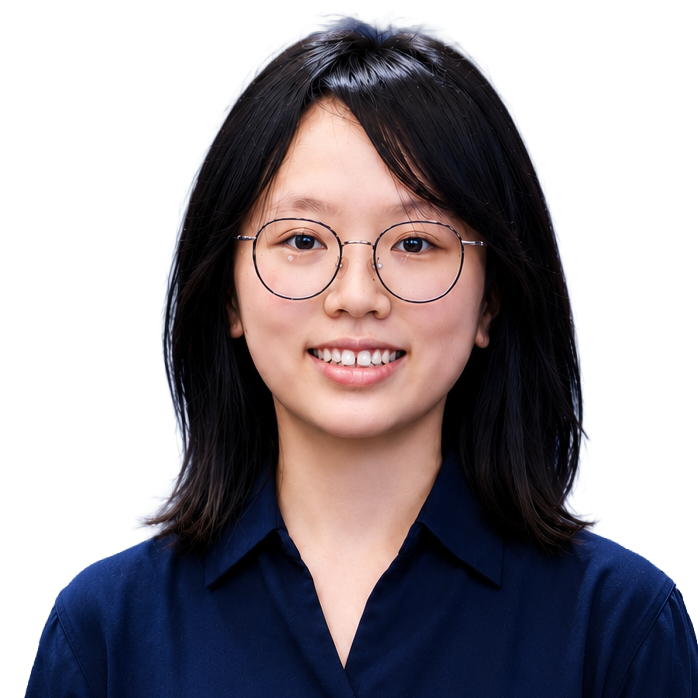
Dr Wing Chan
CEO of Mircoflow Innovation Limited
Dr Wing Chan
CEO of Mircoflow Innovation Limited
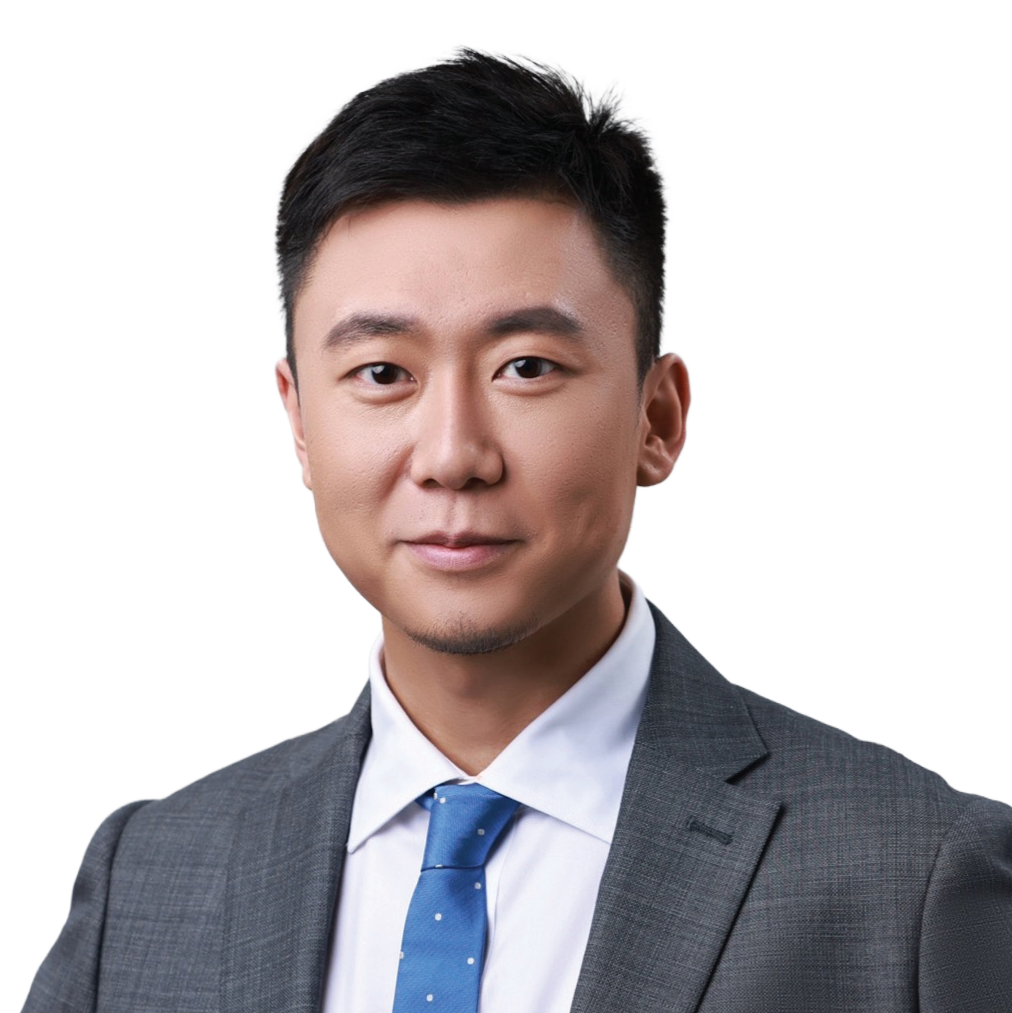
Professor Li Xiang Zhai
Director of GastroEase Biotech Limited
Professor Li Xiang Zhai
Director of GastroEase Biotech Limited
Professor Li Xiang Zhai
Director of GastroEase Biotech Limited
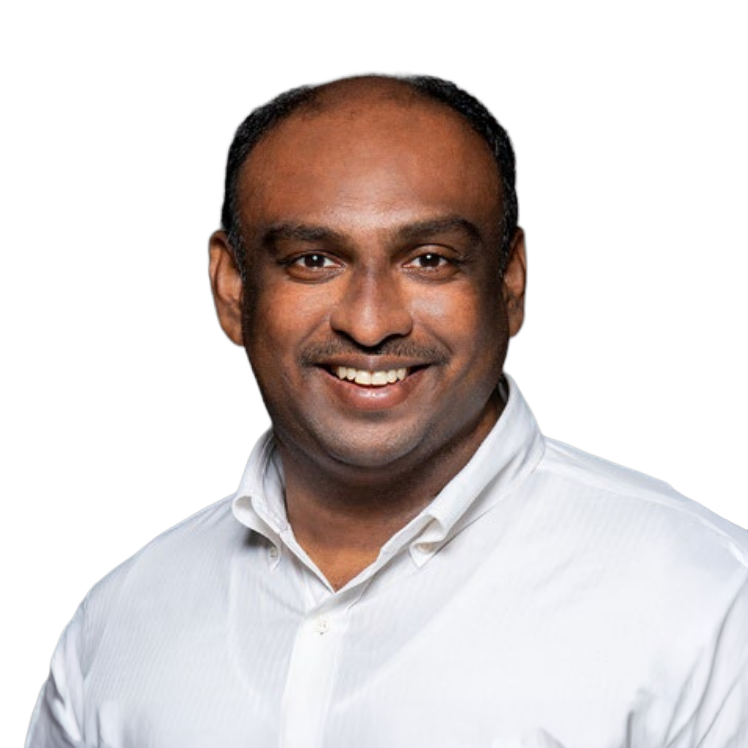
Dr Ashok Iyaswamy
CEO of Sheminfu Limited
Dr Ashok Iyaswamy
CEO of Sheminfu Limited
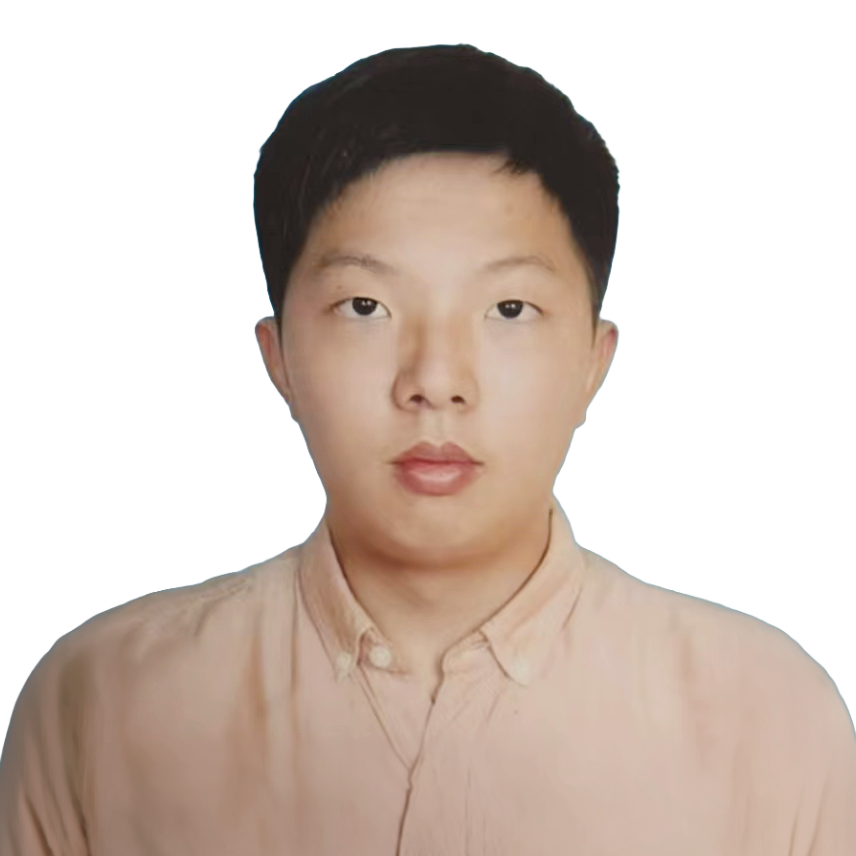
Mr Zeming Li
PhD candidate, Department of Computer science, Hong Kong Baptist University
Mr Zeming Li
PhD candidate, Department of Computer science, Hong Kong Baptist University
Mr Zeming Li
PhD candidate, Department of Computer science, Hong Kong Baptist University
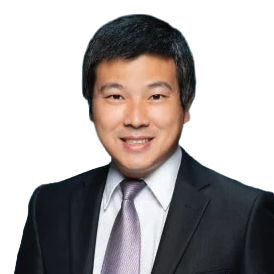
Professor Pan Liao
Assistant Professor, Department of Biology, Hong Kong Baptist University
Professor Pan Liao
Assistant Professor, Department of Biology, Hong Kong Baptist University
Professor Pan Liao
Assistant Professor, Department of Biology, Hong Kong Baptist University
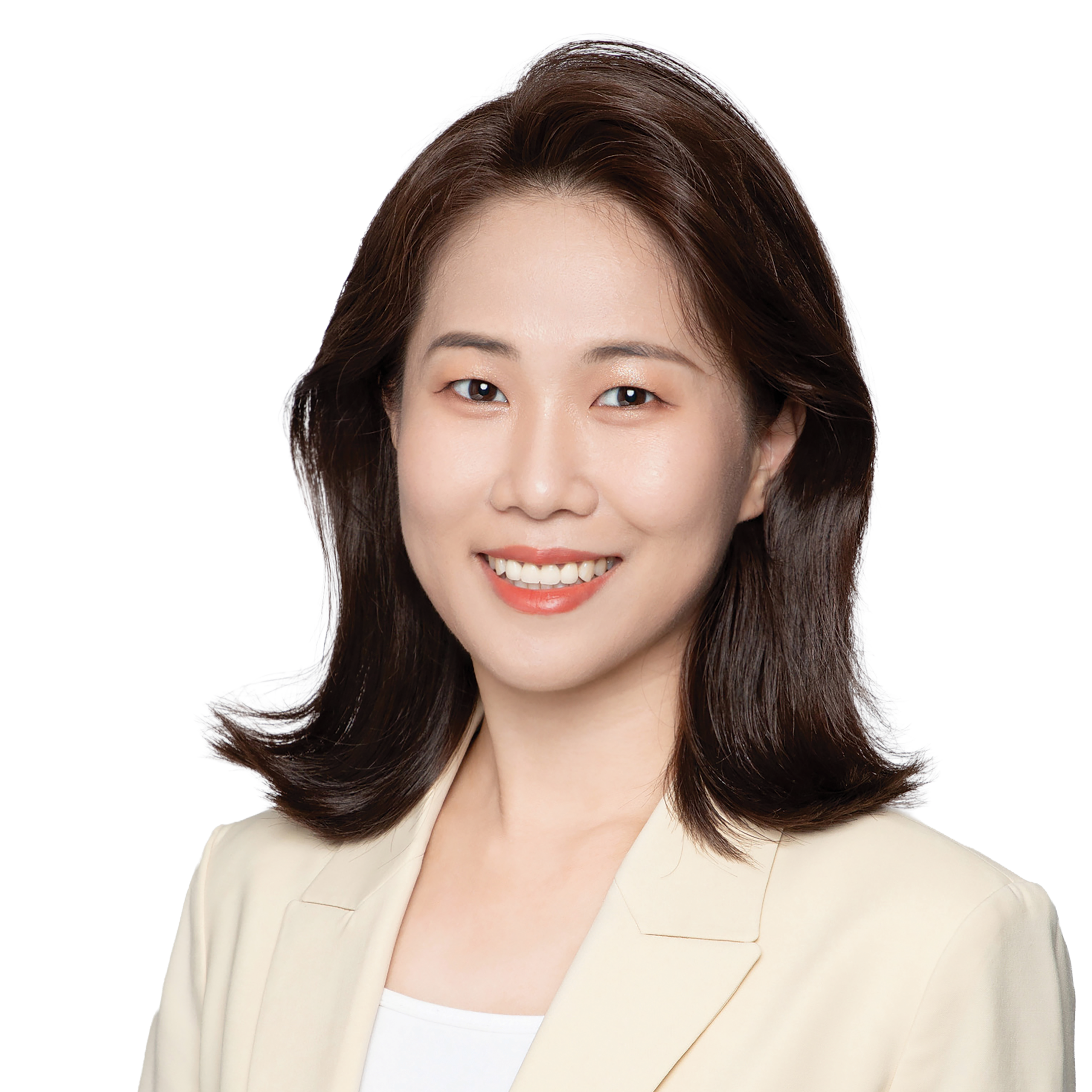
Dr Qilei Chen
Research Assistant Professor, School of Chinese Medicine, Hong Kong Baptist University
Dr Qilei Chen
Research Assistant Professor, School of Chinese Medicine, Hong Kong Baptist University
Dr Qilei Chen
Research Assistant Professor, School of Chinese Medicine, Hong Kong Baptist University
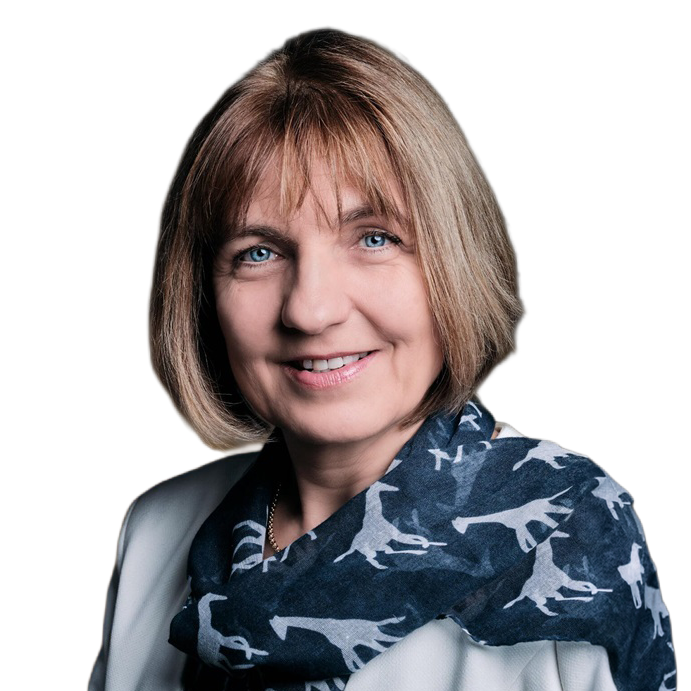
Dr Sylvie Briand
Chief Scientist and Assistant Director-General for Health Systems, Access and Data a.i., World Health Organization
Dr Sylvie Briand
Chief Scientist and Assistant Director-General for Health Systems, Access and Data a.i., World Health Organization
Dr Sylvie Briand
Chief Scientist and Assistant Director-General for Health Systems, Access and Data a.i., World Health Organization
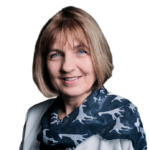
As Chief Scientist, Sylvie Briand oversees the work of the Science Division, bringing together experts and networks working in science and innovation from around the world to guide, develop and deliver high-quality health policies and services to the people who need them most.
Prior to this role, Dr Briand held several leadership positions at WHO, contributing significantly to global health initiatives. She was the Director of the Global Preparedness Monitoring Board Secretariat, an independent advisory body co-convened by WHO and the World Bank. As the Director of the Epidemic and Pandemic Preparedness and Prevention department (EPP) she was at the forefront of managing epidemic and pandemic preparedness and response for more than 20 years. Her work covered COVID-19; MERS; avian, seasonal and pandemic influenza; Ebola; Zika; chikungunya; yellow fever; plague; Nipah virus disease; cholera; smallpox; and mpox. Dr Briand has always been committed to translating science into action and promoted the sharing of knowledge through the creation of the OpenWHO training platform, the EPI-WIN transfer of knowledge platform and the WHO booklet “Managing Epidemics in the 21st century”.
Dr Briand is also Assistant Director-General for Health Systems, Access and Data ad interim.
In this role, she manages a broad portfolio covering governance, financing and service delivery of health systems, the development and implementation of WHO’s policies and standards for medicines and other health products, antimicrobial resistance and the generation and use of health data to drive decision-making on health.
Before joining WHO in 2001, Dr Briand directed international health projects at country and regional level across various geographic regions, including Europe, Africa and South America.
Dr Briand received her training in Paris and Toulouse in France. She holds a medical doctor (MD) degree with a specialization in infectious diseases, a PhD in health systems’ analysis focusing on epidemiologic surveillance, a Master’s degree in sociology and anthropology and a Master of Public Health.
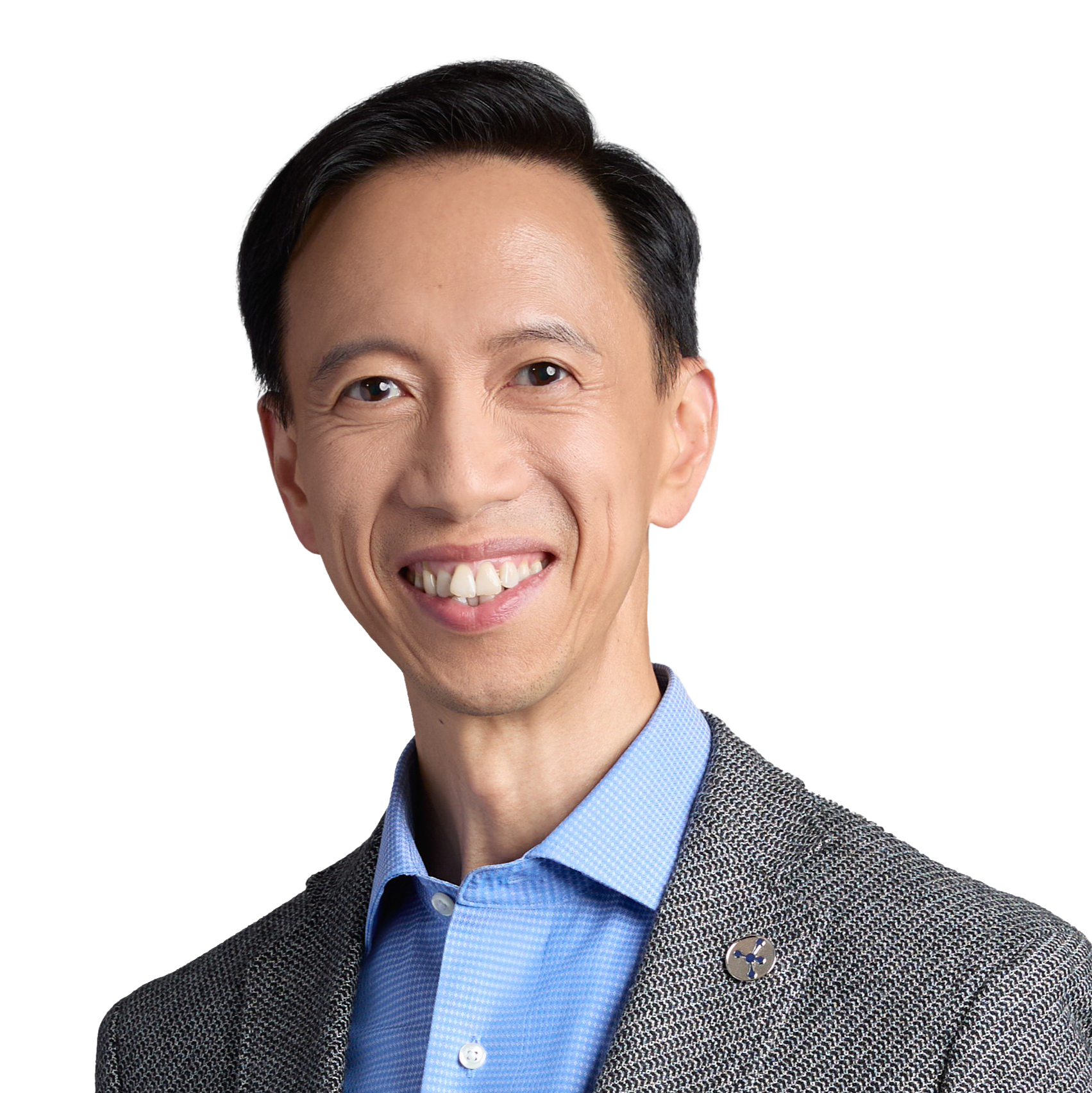
Mr Aldous Mak
Chief Financial Officer, Hong Kong Science and Technology Parks Corporation
Mr Aldous Mak
Chief Financial Officer, Hong Kong Science and Technology Parks Corporation
Mr Aldous Mak
Chief Financial Officer, Hong Kong Science and Technology Parks Corporation
Mr Aldous Mak is a seasoned finance and accounting professional with more than 25 years’ experience in financial planning, controllership, risk management, corporate advisory, business operations and financial system integration. He joined HKSTP as Chief Financial Officer in May 2019 to oversee Finance, IT, Procurement, Controllership, Corporate Venture Fund as well as providing advice on corporate development and business decisions. He is also leading on-going efforts within the Corporation to drive efficiency and effectiveness to maximise the business results.
Aldous obtained his Bachelor’s degree in Business Administration (Accountancy) and Master’s degree in Business Administration from the Hong Kong University of Science and Technology. He began his career as an Accountant at PricewaterhouseCoopers in Hong Kong. Prior to joining HKSTP, he held management roles in various organisations, including Director of Finance at Hong Kong Disneyland. He is a Fellow Certified Public Accountant of The Hong Kong Institute of Certified Public Accountants and a Fellow Member of The Association of Chartered Certified Accountants.
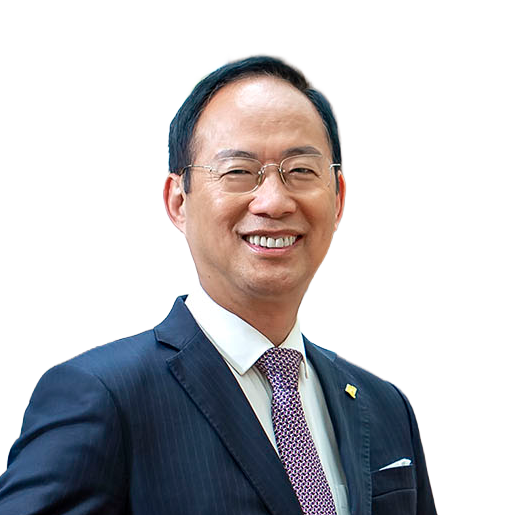
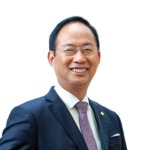
Professor Alex Ping-kong Wai, JP
President and Vice-Chancellor; Chair Professor of Photonics, Hong Kong Baptist University
Professor Alex Ping-kong Wai, JP
President and Vice-Chancellor; Chair Professor of Photonics, Hong Kong Baptist University
Professor Alex Ping-kong Wai, JP
President and Vice-Chancellor; Chair Professor of Photonics, Hong Kong Baptist University
Professor Alexander Ping-kong Wai took office as the sixth President and Vice-Chancellor of Hong Kong Baptist University (HKBU) in February 2021.
Professor Wai received a bachelor’s degree, majoring in Physics, from The University of Hong Kong in 1981, followed by a master’s degree and a doctoral degree in Physics from the University of Maryland, College Park in the US in 1985 and 1988, respectively. Before returning to Hong Kong, his research at the University of Maryland focused on fibre optic communication, and transoceanic transmission in particular. Early in his career, he joined the Science Applications International Corporation in the US where he worked as a research scientist on the Tethered Satellite System (TSS) mission, a joint US-Italy Space Shuttle project.
Professor Wai joined The Hong Kong Polytechnic University (PolyU) in 1996. During his 25 years at PolyU, he served in various university administration and leadership positions, including as Head of Department, Dean of the Faculty of Engineering, Associate Vice-President, Vice-President (Research Development), Deputy President and Provost as well as Chair Professor of Optical Communications.
Professor Wai is known for his commitment to pioneering innovative technology and translational research, and for his outstanding contributions to education. While at PolyU, he made great strides in several important research areas, which included collaborating with world-renowned partners on international and national High-Speed Rail projects, China’s Lunar and Mars exploration, and launching the Aviation Services Research Centre at PolyU with Boeing Corporate to enhance Hong Kong’s position as a world-class aviation maintenance hub. He also collaborated with the UK’s Royal College of Art to establish a research laboratory in PolyU that champions the integration of artificial intelligence and design.
Since he assumed office in February 2021 as the President and Vice-Chancellor of HKBU, Professor Wai has led the University to pioneer the development of arts and technology. One of the most significant initiatives under his leadership was a farsighted art-tech project that has received funding from the Innovation and Technology Support Programme under the Innovation and Technology Commission (ITC) of the HKSAR Government. This was the art-tech project funded by ITC with the largest approved amount. Professor Wai also established the overarching research cluster of Humanities and Cultures for the University to support the development of the “East-meets-West Centre for International Cultural Exchange” in Hong Kong.
Professor Wai has spared no effort in promoting the application of technology and digitalisation in Chinese medicine, and championing the standardisation and internationalisation of Chinese medicine to bring Hong Kong’s Chinese medicine service and scientific research to the world stage. In early 2022 when Hong Kong was hard hit by the fifth wave of the pandemic, Professor Wai led a team of Chinese medicine experts and supporting personnel at HKBU to launch the “Free Online Consultation Service for COVID-19 Patients”, providing free online health consultations, medicine delivery and emotional support resources to over 41,000 patients, close contacts and carers. In addition, Professor Wai led Chinese medicine practitioners and social work experts from the University to support the operation of around 1,200 beds in the Kai Tak Holding Centre, serving the resident elderly COVID-19 patients with mild symptoms. These initiatives not only eased much of the pressure on the public healthcare system and demonstrated HKBU’s commitment to safeguarding public health, but also provided the University with invaluable experience in responding to large scale public health challenges and running Hong Kong’s first Chinese Medicine Hospital when its operation commences in phases in 2025.
With academic interests in the field of optical fibre communications, Professor Wai has a rich array of impactful and patented research achievements to his name. He was elected as a Fellow of the Optical Society of America in 2009, a Fellow and an Honorary Fellow of the Hong Kong Institution of Engineers (HKIE) in 2010 and in 2025 respectively, a Fellow of the Institute of Electrical and Electronics Engineers (IEEE) in 2012, a Fellow of the Hong Kong Academy of Engineering in 2012, a Fellow of the Asia-Pacific Artificial Intelligence Association in 2024, and an Honorary Fellow of Hong Kong Institute of Electronics in 2025. With the approval of the State Ministry of Science and Technology, he has been selected for the “National Science and Technology Programmes Expert Database” since 2012.
Professor Wai served as Chairman of the Society of Hong Kong Scholars between 2014 and 2018, and he was named President of the Council of The Hong Kong Association for the Advancement of Science and Technology in 2014/15. He served as a member of the Research Grants Council between 2016 and 2021 and a member of the University Grants Committee from 2020 to 2021. He was appointed as a Justice of Peace by the Government of the Hong Kong Special Administrative Region in July 2022, and has become a member of the 14th National Committee of the Chinese People’s Political Consultative Conference since 2023.
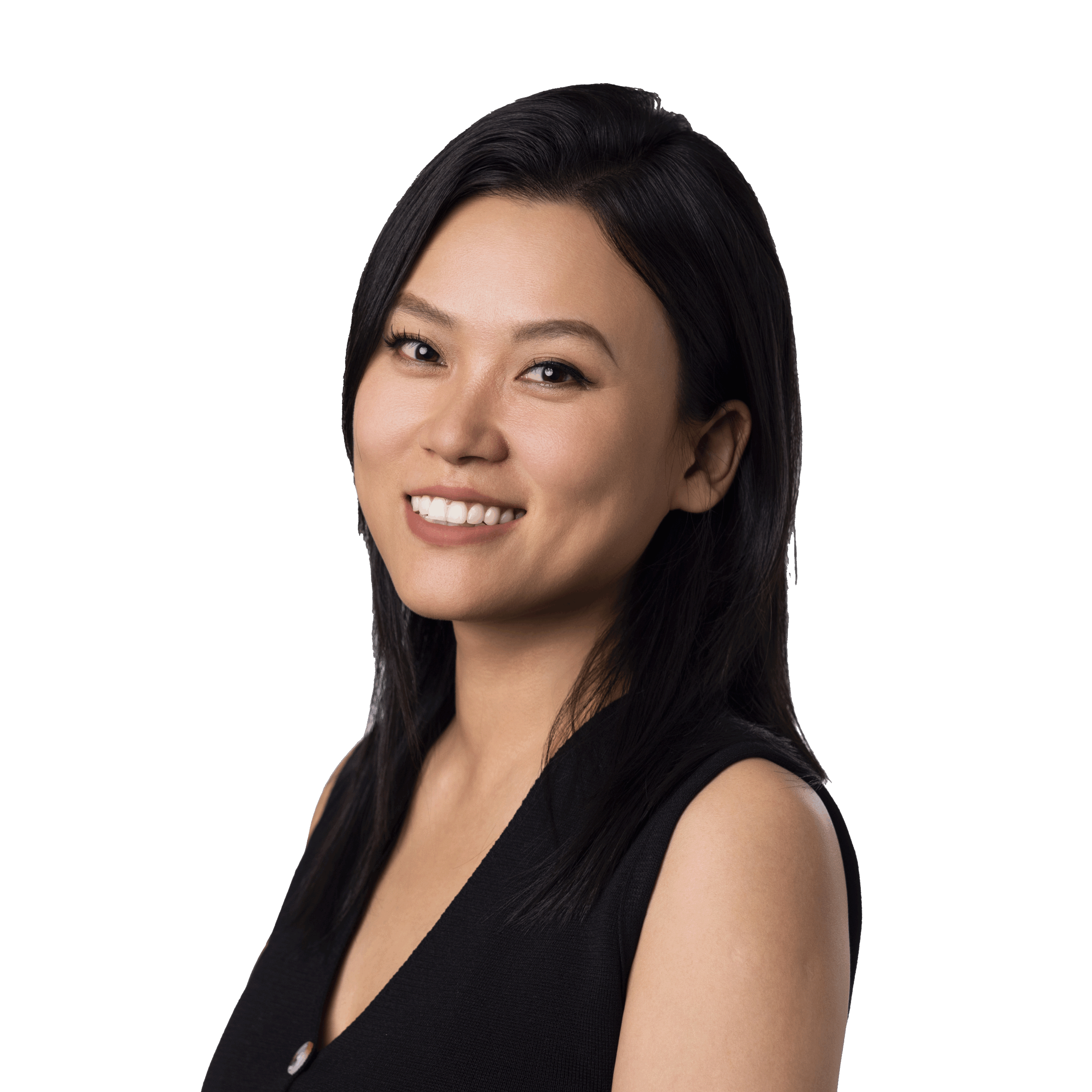
Ms Donnie Xue
Ms Donnie Xue
Ms Donnie Xue
Donnie Xue is a Senior Manager at Hong Kong Baptist University’s Institute for Innovation and Translation Office. Specializes in driving research commercialization, managing funding initiatives like the RAISe+ Scheme, fostering global partnerships in phytochemistry and clinical research, She translate academic innovations into impactful health solutions.
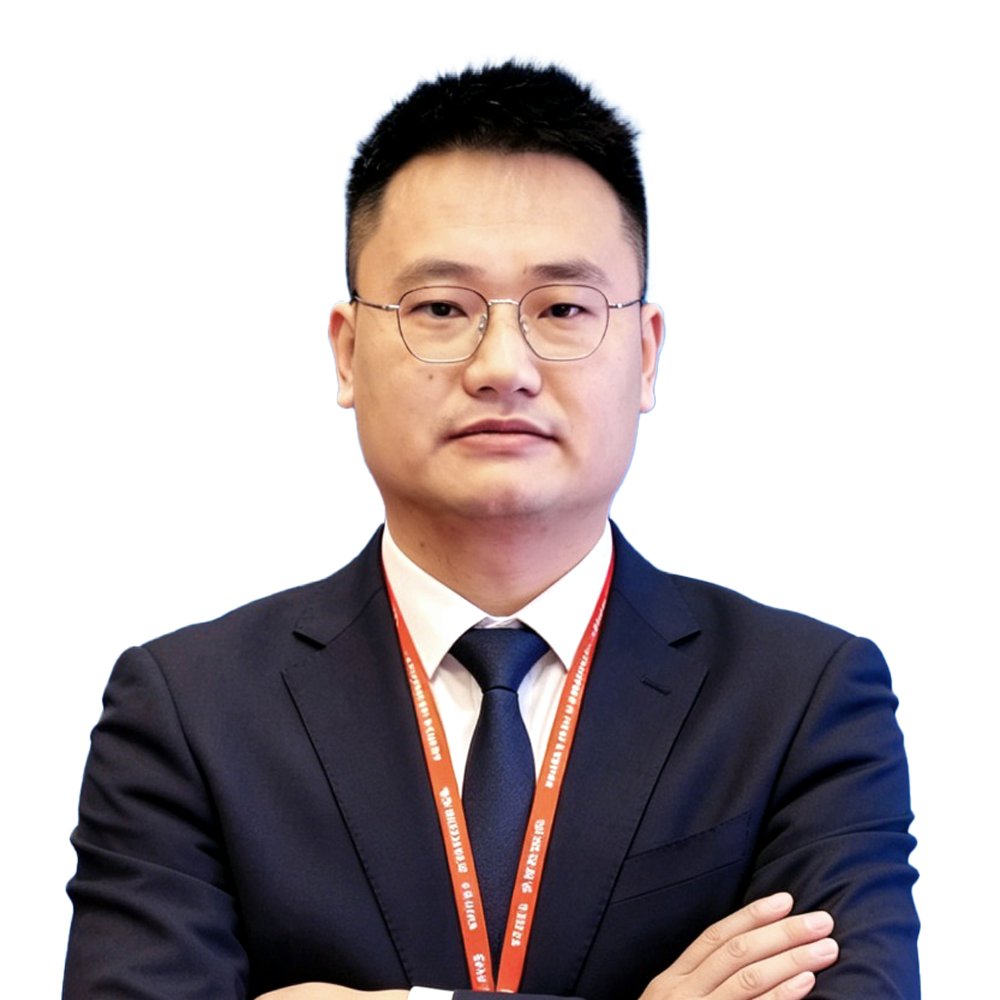
Mr Shudong Chen
Mr Shudong Chen
Mr Shudong Chen
As the head of the laboratory at the Guangdong Institute of Traditional Chinese Medicine, Mr. Chen has been engaged in food and drug testing, quality research, and the development of Homology of Medicine and Food products for nearly two decades. Mr. Chen has served as a part-time professor at the Guangdong Medical University and Zhongkai University of Agriculture and Engineering, and also hold a number of social positions, including Vice Chairperson of the Guangzhou Panyu District Branch Committee of Jiusan Society in Guangzhou,member of the Mass Spectrometry Special Committee of the Guangdong Provincial Association for Analysis and Testing, and director of the Guangdong Provincial Rural Professional Association.
Exogenous Contamination Risks and Regulatory and Detection Technologies for Homology of Medicine and Food Products
This presentation is based on data from a banned pesticide screening project conducted over three consecutive years among traditional Chinese medicine and homology of medicine and food products manufacturing enterprises in Guangdong Province. Drawing on pesticide residue testing data from more than 10,000 batches, it summarizes the high-risk varieties and risk characteristics of medicine-food homologous products. It also comparatively introduces the regulatory requirements and detection technologies for pesticide residues applicable to Chinese medicine-food homologous varieties under the drug regulatory system and the food regulatory system, helping the industry understand the relevant regulatory requirements for medicine-food homologous varieties.
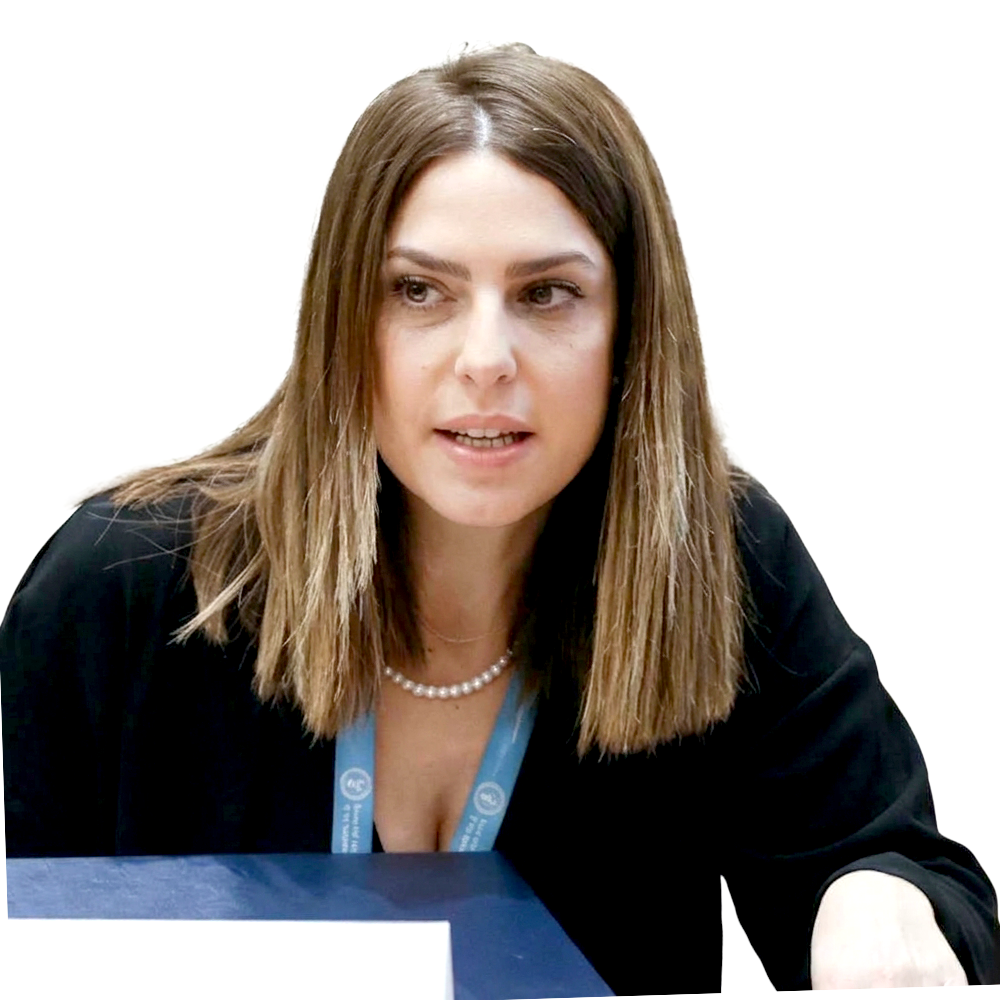
Dr Maura Di Martino
Dr Maura Di Martino
Dr Maura Di Martino
Maura Di Martino is a food safety specialist at the Food and Agriculture Organization of the United Nations (FAO). Her work focuses on emerging issues that require foresight, with a particular interest in their implications for food safety. Prior to joining FAO, she worked as a food regulatory consultant, advising companies in the food and supplement industry on regulatory and scientific issues. Maura holds a PhD in Molecular Biology from the University of Warwick in the UK and an MSc in Food Safety and Quality from the University of Tuscia in Italy.
Food Safety in Personalized Nutrition: A Focus on Food Supplements and Functional Foods (Pre-recorded video)
The global market for food supplements and functional foods is expanding and evolving rapidly. Identified as a recurring signal through FAO’s Food Safety Foresight Programme, this sector is the focus of the FAO report “Food Safety in Personalized Nutrition: A Focus on Food Supplements and Functional Foods”, which examines the food safety challenges associated with these products. The presentation highlights the report’s key messages and discusses a range of food safety considerations, including interactions with medications, adulteration and contamination, excessive intake, concentrated ingredients, and new ingredients without a history of safe use. It also considers the role of health claims, challenges related to product classification, the diversity of regulatory approaches across jurisdictions, and the relationship between traditional knowledge and modern products. Finally, it outlines areas that competent authorities could consider, with the aim of supporting further dialogue among regulators, experts, academia and the private sector.
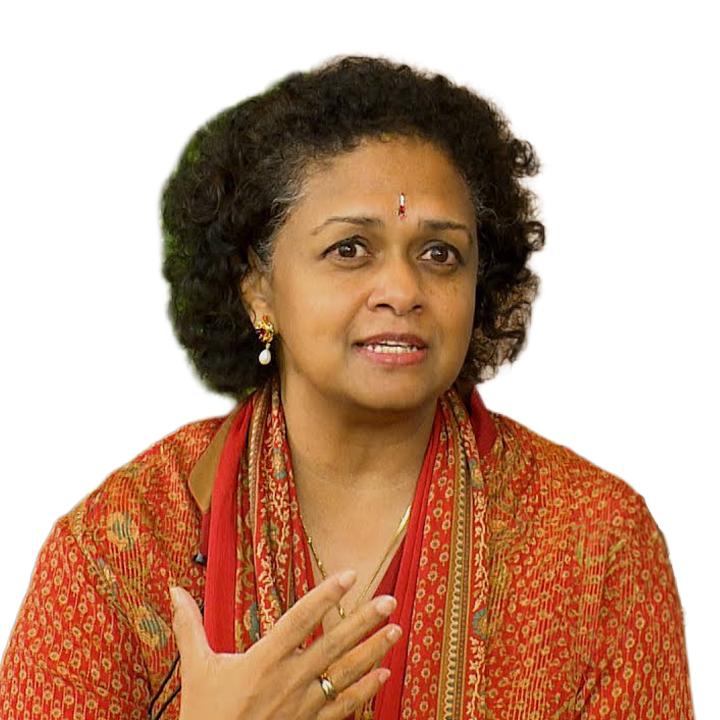
Dr Shyama Kuruvilla
Dr Shyama Kuruvilla
Dr Shyama Kuruvilla
Dr Shyama Kuruvilla is the Director ai. of the WHO Global Traditional Medicine Centre, where she leads work across research and innovation, health systems integration and quality, cross-sectoral partnerships, and the convening of a biennial WHO Global Summit. The Centre’s work includes a focus on leveraging responsible artificial intelligence to connect centuries-old healing systems with cutting-edge technologies, scaling up evidence synthesis and innovative solutions for the health and well-being of people and the planet. Previously, Dr. Kuruvilla was WHO Senior Strategic Adviser for Universal Health Coverage (UHC) and Life Course, including as technical lead for the UN General Assembly High-Level Meeting on UHC. She was Director of the UN Secretary-General’s Independent Accountability Panel and led the development of the UN Every Woman Every Child Global Strategy that underpinned a global movement supporting investment, implementation and impact in countries. Earlier, she was part of the founding WHO team that established the Health Internetwork Access to Research Initiative (HINARI), expanding equitable access to global scientific knowledge, and has also worked in academia and rural primary health care programmes. Dr. Kuruvilla holds a PhD from the London School of Hygiene and Tropical Medicine, an MSc from Cornell University, and an undergraduate degree from Christian Medical College, Vellore.
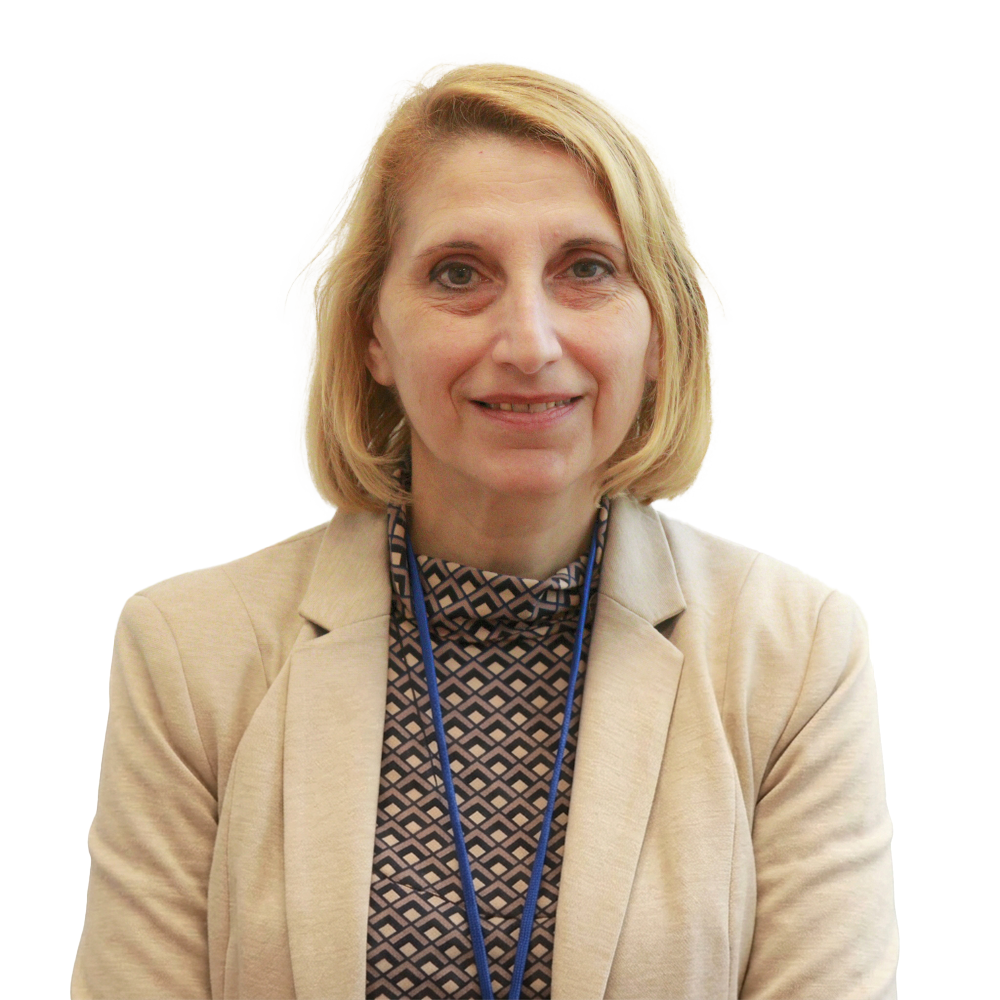
Dr Christina Vlachou
Dr Christina Vlachou
Dr Christina Vlachou
Dr. Christina Vlachou is head of the Food Safety and Control Laboratory of the Joint FAO/IAEA Centre of Nuclear Techniques in Food and Agriculture. Christina has a background in Chemistry, Toxicology, and Quality Assurance, along with longstanding experience in food control acquired previously at the General Chemical State Laboratory of Greece. She had fellowships in food toxicology and risk assessment from EFSA and EUROTOX. Her laboratory within the Joint FAO/IAEA Centre assists countries to improve analytical and regulatory practices and methodologies in food safety, authenticity, and traceability, safeguarding consumer health, enhancing food security, and facilitating trade. This is achieved through applied research and method development, technology transfer, and the provision of data and expertise to support the establishment of international standards and guidelines. Christina is leading research and capacity building projects supporting the adoption of robust isotopic and nuclear techniques within official food control programmes.
Food as Medicine: Building Scientific Evidence for Safe and Authentic Products Using Nuclear, Isotopic, and Complementary Analytical Techniques
This presentation will showcase selected applications of isotopic, nuclear, and complementary analytical methods related to food safety assessment, detection of adulteration, and verification of geographical origin and production processes, including organic or halal food, which have been developed at the Food Safety and Control Laboratory of the Joint FAO/IAEA Centre of Nuclear Techniques in Food and Agriculture. Case studies on food and food ingredients relevant to traditional medicine and health-oriented applications will illustrate how innovative analytical methods can support the verification of safety and authenticity claims. The presentation will also demonstrate how science-based food control provides an essential foundation for the responsible development of Food as Medicine, helping to ensure that foods promoted for health benefits are safe, authentic and supported by reliable analytical evidence, so that countries can adopt policies and measures that ensure affordability of healthy diets and promote better health outcomes for their populations.
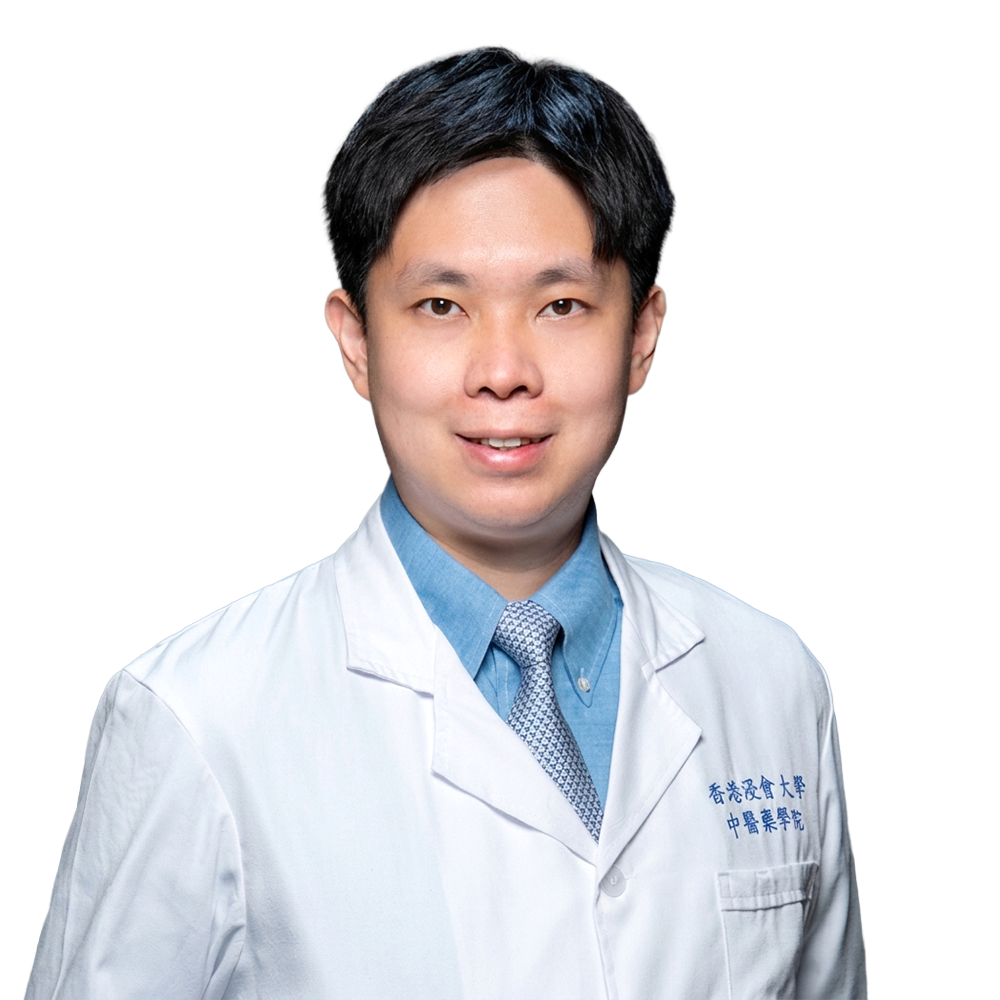
Professor Xavier Wong
Professor Xavier Wong
Professor Xavier Wong
Prof. Wong holds a Bachelor of Science (BSc) from the University of Hong Kong. He pursued a PhD in Biochemistry at the Department of Biochemistry, University of Hong Kong.
Prof. Wong serves as a principal investigator at the School of Chinese Medicine, Hong Kong Baptist University, leading a team with expertise in biology, neuroscience, and microbiome research. In collaboration with clinicians and bioinformaticians, the pioneering work from his laboratory has led to multiple groundbreaking findings published in top-tier journals, including seven papers in Nature Communications, two papers in Cell Host & Microbe, one article in Nature Metabolism, and one paper in Developmental Cell, in the capacity of first/corresponding author. In recognition of his research accomplishments, he was awarded the School Performance Award as Young Researcher in 2021, the President’s Award for Outstanding Performance as an Early Career Researcher in 2022, and the National Natural Science Foundation of China (NSFC) Excellent Young Scientist Fund (Hong Kong and Macau) in 2023. As the principal investigator, he has also secured over HK$20 million in research funding from competitive grant schemes in Hong Kong, Europe, and the Mainland to support his multidisciplinary translational research.
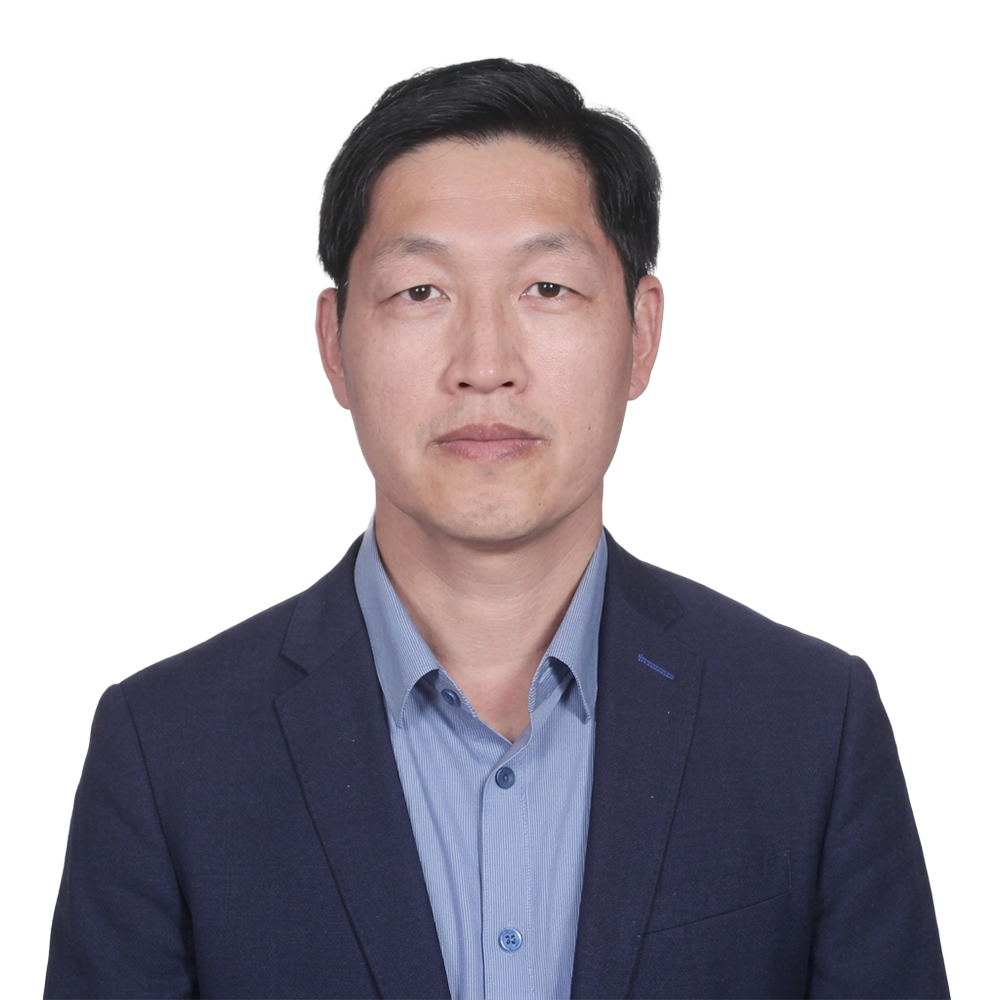
Dr Lei Zhang
Dr Lei Zhang
Dr Lei Zhang
Dr Lei Zhang is the Director of the Assessment Office at the National Center for Food Safety Risk Assessment, Deputy Secretary-General of the National Expert Committee for Food Safety Risk Assessment. He is an expert in the Joint FAO/WHO Expert Committee on Food Additives (JECFA), and Deputy Director of the Food and Medicine Homology Industry Development Branch of the Chinese Nutrition Society. He has been engaged in the risk assessment of food chemicals and food-medicine substance, leading multiple national projects and risk assessment programs in the field of food and traditional Chinese medicine, and is responsible for scientific support for the dynamic management on the Catalogue of substances traditionally recognized as both food and Chinese medicinal materials.
Management Policies and Priority Work‑in‑Progress for Food‑Medicine Substances in Chinese Mainland
This presentation systematically reviews the regulatory policies of food-medicine in mainland China, including the historical evolution of the “Catalogue of substances traditionally recognized as both food and Chinese medicinal materials” (Catalogue of food-medicine substances) , the definition and scope of food as medicines, the similarities and differences in regulatory between food-medicine substances, novel food and health food ingredients, the procedures and requirements for new applications to be included in the catalogue. The presentation also explores existing problems and Ongoing priorities. It helps to understand the overall regulatory framework for food-medicine substances in mainland China.
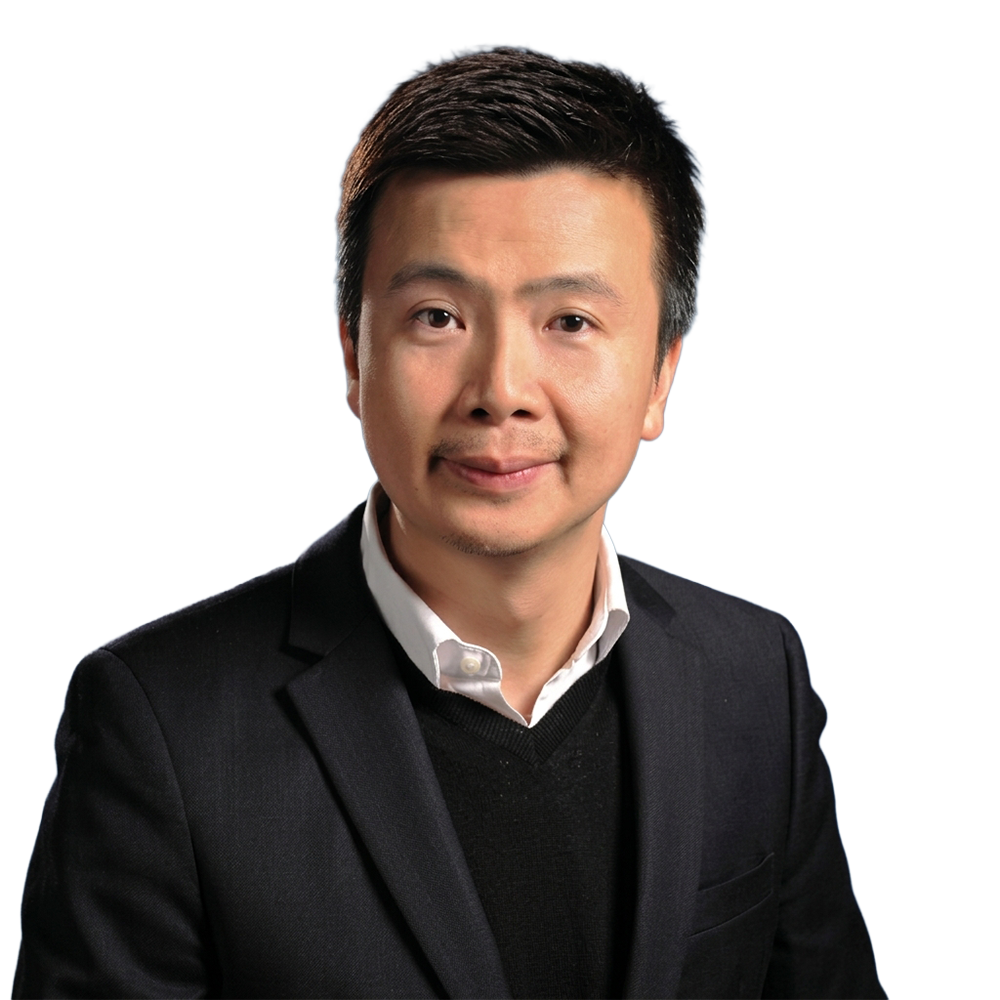
Professor Chris Wong
Professor Chris Wong
Professor Chris Wong
Professor Chris K.C. Wong serves as Associate Dean (Transdisciplinary and Translational Development) at the Faculty of Science and Technology and is a Chair Professor of Environmental Science in the Department of Biology at Hong Kong Baptist University (HKBU). He also directs the Croucher Institute for Environmental Sciences and leads the Life Sciences and Mass Spectrometry Laboratory. He obtained his Ph.D. from the University of Hong Kong and completed postdoctoral research at the University of Western Ontario in Canada. Before joining HKBU, he was a Research Assistant Professor at HKU. His research primarily focuses on molecular endocrinology and toxicology, especially the health effects of endocrine-disrupting chemicals.
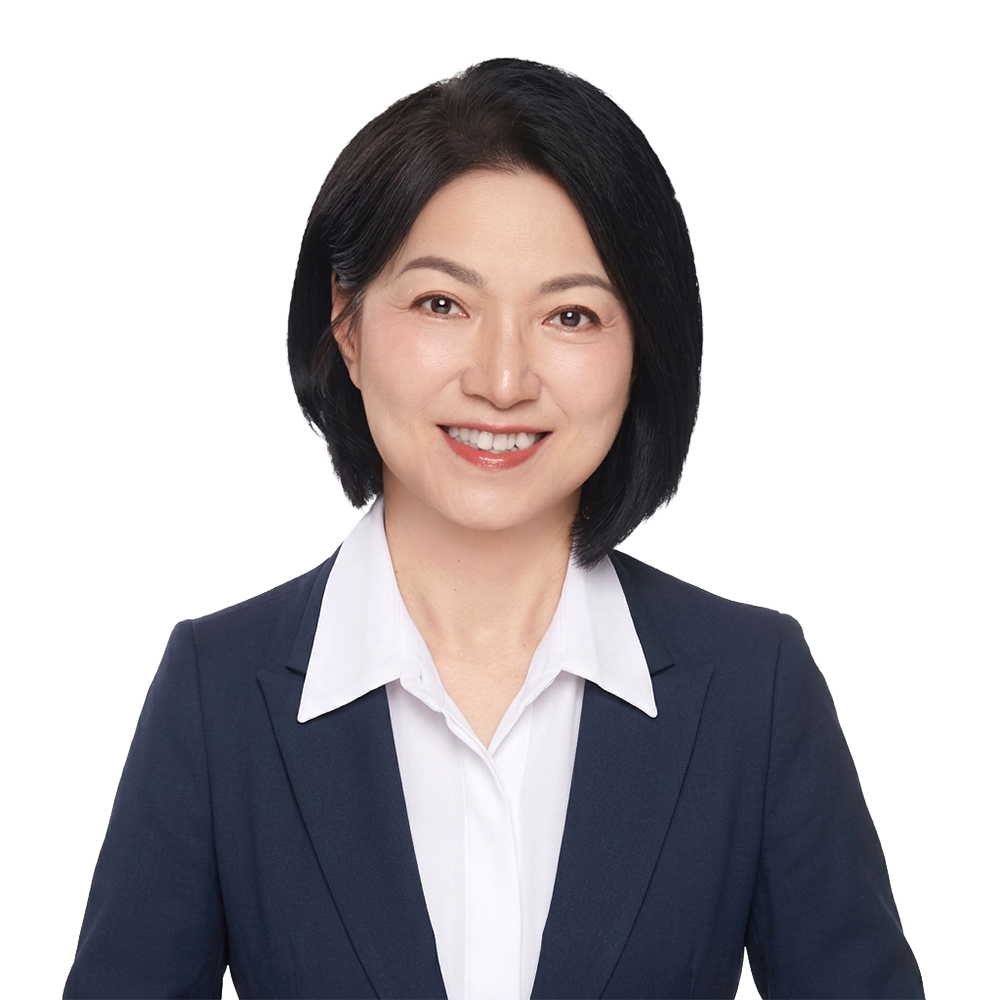
Ms Vicky Tse
Ms Vicky Tse
Ms Vicky Tse
Ms. Vicky Tse is the Head of Life and Health Technology in Hong Kong Science and Technology Parks Corporation (HKSTP).
Vicky is a well-versed executive in the Life-Science industry. She served as the General Manager at Sanofi Greater China in Shanghai, where she spearheaded successful launches and market expansion, forged key partnerships, enhancing the patient journey through innovative ecosystem collaborations. Prior to Sanofi, she spent over 13 years in progressive leadership roles at Novartis, most recently as Commercial Director for the Asia Pacific, Middle East, and Africa regions, where she led strategic initiatives that accelerated the launch of innovative portfolio across diverse markets. Her impactful journey at Novartis also included pivotal positions as General Manager and President of Taiwan, as well as senior Head roles across Greater China and Hong Kong, where she excelled in steering strategic portfolio growth and building robust commercial foundations. Vicky’s earlier roles included strategy development at various managerial levels within Schering-Plough, Roche, and MSD, where she consistently achieved strong performance, built purposed driven team and clear strategy with good execution and collaboration.
Vicky holds a Bachelor of Science from The University of Hong Kong and a Master of Business Administration from the Hong Kong University of Science and Technology.
From Lab to Market: Building the Engine for Modern Chinese Medicine & Functional Food at HKSTP
Hong Kong Science and Technology Parks Corporation (HKSTP) provides a comprehensive Life & Health Technology ecosystem that accelerates the modernization, standardization, and commercialization of Chinese medicine and functional foods. Bridging translational research and global markets, HKSTP features specialized initiatives from global top-ranked research institutions to advance traditional remedies into standardized wellness and therapeutic products. The ecosystem supports rigorous preclinical validation, clinical trials, and regulated product registration. Enterprises benefit from extensive world-class core facilities, GMP-compliant infrastructures for smart manufacturing, incubation programs, government funding subsidies, talent schemes, investment pitching and international business-matching networks.
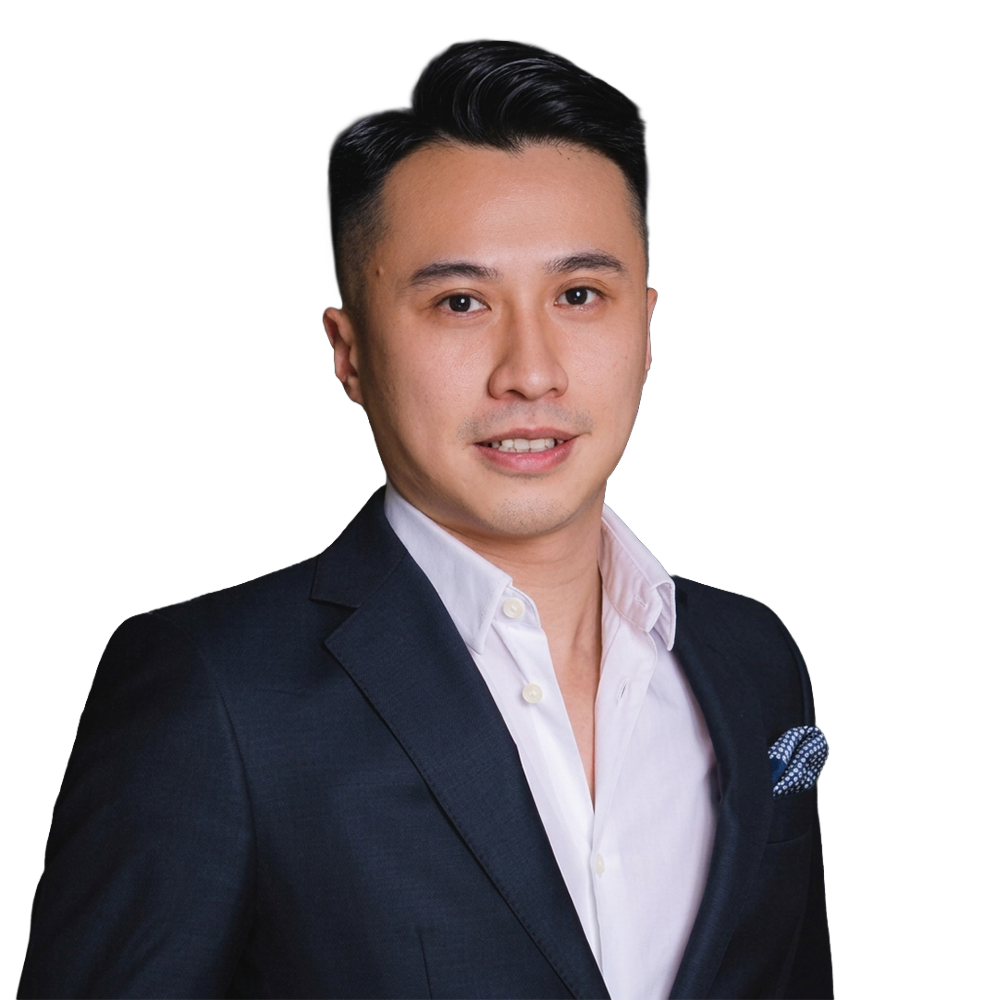
Mr Fred Li
Mr Fred Li
Mr Fred Li
Fred Li brings over 15 years of experience across private markets, management operations, and business turnaround. Fred holds a Bachelor of Business Administration in Accounting and Finance from the University of Hong Kong and a Master of Science in Biotechnology from the Hong Kong University of Science and Technology. He is a certified HKICPA CPA and Certified ESG Analyst (CESGA). Fred’s experience bridges technology and business operations, spanning university spin-offs, Healthcare & Biotechnology, GreenTech, and AI. He actively contributes to Hong Kong/ GBA’s innovation ecosystem as a lecturer, vetting panelist, and mentor with institutions such as HKSTP, Cyberport, and major Hong Kong universities.
Deeptech Ventures – Fundraising DAO & Techniques
“Dear investor, where are you?” — a cry echoed by countless deeptech founders. The truth? Investors are always hunting; the real question is whether your venture is worth being hunted. From the legendary US$500 handshake that birthed Genentech, to the lab-born ventures quietly rising out of Hong Kong’s universities, this session unpacks the Dao (道) and Techniques (術) behind deeptech fundraising — why some rounds close in weeks while others stall for years, how to make capital come to you, and how to hold your ground when it finally does. Drawing on frontline lessons from university spin-offs and cross-border deals, I hope to share a few honest, practical reflections with fellow founders and friends on the journey.
Professor Johnson Lau
Professor Johnson Lau
Professor Johnson Lau
The Story of a Food-as-Medicine Innovation: Unlocking Berberine’s Clinical Potential
Metabolic syndrome currently affects approximately 25% of the global adult population, significantly increasing the risk of cardiovascular diseases, type 2 diabetes, fatty liver, and stroke. Berberine, an active compound derived from the traditional Chinese medicine Coptis chinensis, has clinically proven efficacy in glycemic control, correcting dyslipidemia, and inducing weight loss. However, its clinical application is severely limited by extremely poor oral absorption and the onset of gastrointestinal side effects, such as diarrhea, at higher doses. This project introduces an innovative oral formulation designed to fundamentally overcome this challenge by enhancing intestinal absorption. Recent human plasma data demonstrates that our in-house formulation achieves up to a 30-fold increase in bioavailability compared to commercial doses. This absorption breakthrough allows for a radical dose reduction that eliminates gastrointestinal side effects while achieving therapeutic levels. By pivoting toward a New Dietary Ingredient Notification (NDIN) pathway, this Food-as-Medicine innovation is positioned to capture a substantial share of the multi-billion-dollar global metabolic market.
Mr Kingson Kwan
Mr Kingson Kwan
Mr Kingson Kwan
Kingson Kwan is a Hong Kong entrepreneur. In 2018, he founded Ergon, an end-to-end HR solutions group spanning recruitment, corporate training, employer branding, remote technology talent recruitment, and a verifiable employment records platform. The group was acquired by PERSOL in 2023. Today, Kingson leads three companies: Mylo, a Hong Kong pet nutrition brand offering fresh meals and supplements formulated by a board-certified veterinary nutritionist; Pixoul, a Taiwan-based property visualization company; and Kairos, a transformation consultancy and venture studio offering venture investment, venture building, talent acquisition, business operations reinvention, and M&A advisory services.
Beyond the Bowl: Translating Nutrition Science into Everyday Pet Wellbeing
Could the next frontier of food-led wellbeing be our pets? As dogs live alongside us as family, owners are asking not only what is in their food, but how nutrition can support health across life stages. Yet attractive ingredients are not enough: diets must be nutritionally complete, functional benefits responsibly evidenced, and recommendations practical for everyday life. In this talk, Mylo founder Kingson Kwan shares his vision for a more science-led pet nutrition ecosystem. He will explore how Mylo brings together board-certified veterinary nutrition expertise, gently cooked functional meals, guided home cooking, and microbiome-focused support to help owners make more informed choices. Beyond products, Kingson will discuss the challenges of translating research into trusted routines, from personalization and safety to transparent communication and collaboration between academia, veterinarians, and entrepreneurs. His central question: how can we turn better nutrition science into meaningful, accessible care for more dogs, alongside appropriate veterinary care?
Mr Ali Badarneh
Mr Ali Badarneh
Mr Ali Badarneh
Ali Badarneh is a Palestinian Citizen and a graduate of Birmingham University, UK. He started his career in 1997 as a food safety and quality consultant for a regional consulting firm in the Middle East and then moved in 2001 to work as freelance international expert for many international companies and organizations (UNIDO, LRQA, ISO, ACDI-VOCA and USAID). He holds international accreditations in areas related to the quality and food safety auditing and training. In 2008 moved to UNIDO Headquarters as a staff member working for the Trade Capacity Building Department before moving to the Agri-Business Department in 2016, was responsible for the design and management of technical cooperation projects in different developing countries. Lead the formulation of the UNIDO’s Approach to food safety capacity building and helped position UNIDO globally as key partner in this thematic area. Currently the Chief of the Food Security and Food Systems Unit leading a team of professionals and experts for the design and management of a portfolio in areas related to Value Chain Development, Food Safety, Fisheries, Agro-parks, Biodiversity and Market systems development. Awarded the UNIDO Role Model Award in 2019 with a scholarship to Harvard Business School on leadership skills training program. Awarded 4 Merit awards (Individual and Team) during his time at UNIDO.
From Evidence to Enterprise: Building Safe, Sustainable and Inclusive Food-as-Medicine Value Chains (Pre-recorded video)
Food-as-Medicine innovations can contribute to healthier diets, resilient food systems and inclusive economic development, but their impact depends on successful translation from scientific evidence into safe, affordable and market-ready products. UNIDO would try to explore how integrated value-chain development can connect research and traditional knowledge with raw-material standardization, food processing, quality control, regulatory compliance, responsible health claims, packaging, financing and market access. Particular attention will be given to strengthening food safety systems and supporting SMEs, start-ups, smallholders, women and youth through technology transfer, shared innovation facilities, business development services and investment partnerships. UNIDO can support to bridge the gap between science and industry by bringing together governments, research institutions, regulators, enterprises, investors and development partners.
Dr Cathy Lui
Dr Cathy Lui
Dr Cathy Lui
Prior to joining Invest Hong Kong, Dr. Cathy Lui co-founded and served as Chief Executive Officer of OPER Technology Limited. She earned her PhD in neuroscience from Hong Kong Baptist University, where she also obtained her biology undergraduate degree. With a prestigious post-doctoral fellowship from the American Parkinson Disease Association, Dr. Lui furthered her nanomaterials research at Northwestern University in the United States. She also held a visiting scholarship at the University of Oxford. Additionally, Dr. Lui received an MBA from Imperial College London. Driven by her dedication to translational research, Dr. Lui has garnered widespread recognition. She was named one of the top ten innovators under 35 in the Asia Pacific region by MIT Technology Review for her scientific achievements. Additionally, Dr. Lui received awards as the Greater Bay Area Outstanding Young Women Entrepreneur and Young Achiever of the Year from the American Chamber of Commerce in Hong Kong, celebrating her success as a serial entrepreneur translating research into solutions.
Hong Kong: Your Springboard to Success in Asia & Beyond
Invest Hong Kong is the HKSAR Government’s dedicated investment promotion agency, providing free, confidential and customised support for companies to establish and expand in Hong Kong and to use the city as a platform for outbound investment. It delivers sector-specific advice, coordinates with relevant government bodies and professional service providers, and offers ongoing aftercare to foster sustained inward and outward business growth. InvestHK also works closely with other government departments to reflect investor feedback in policy design, strengthen the overall business environment and enhance Hong Kong’s competitiveness as an international investment hub.
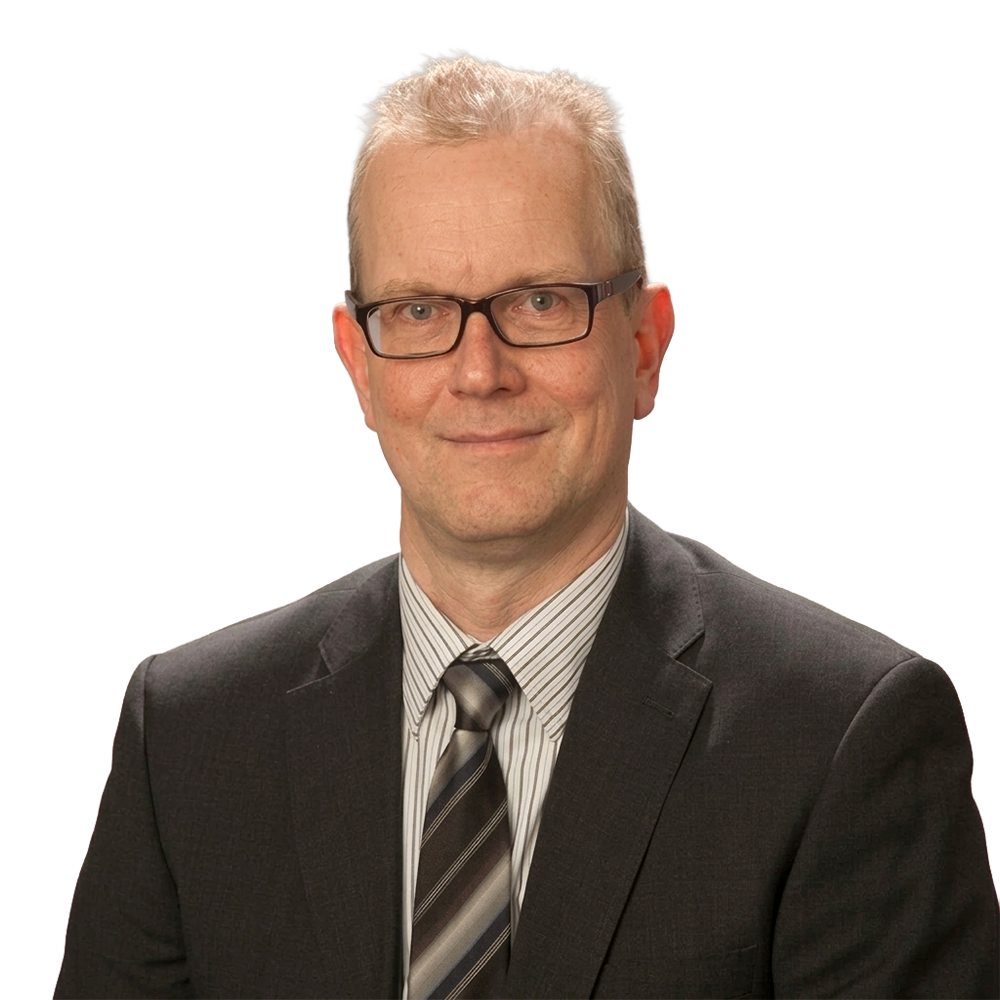
Professor Dr Mark Buecking
Professor Dr Mark Buecking
Professor Dr Mark Buecking
Prof. Dr. Mark Buecking is food chemist by training and has been working in applied research in Germany and the Netherlands for more than 25 years. He has been heading the Department of Trace Analysis and Environmental Monitoring at Fraunhofer IME since 2004. His work focuses on the trace analysis of volatile compounds, residues and contaminants, he has authored more than 80 scientific papers and holds teaching positions at three universities. Also he heads the office of the Fraunhofer Agriculture and Food Industry Alliance, a cluster of 14 Fraunhofer institutes. He is Chairman of the Food-Processing Initiative, member of BfR (German Federal Institute for Risk Assessment) Committee for Contaminants in the Food Chain and board member of the European Federation of Food Science and Technology.
Food Safety: Tracing Radiolabeled Residues to Investigate Their Fate during Food Processing (Pre-recorded video)
The labelling of food ingredients with 14C atoms (isotopic labelling) is an exciting approach to monitor their fate during food processing, storage and adulteration. Most foodstuffs represent matrices with enormous complexity which makes it difficult to decipher the fate of individual precursors or the generation of final or intermediate metabolites. Using 14C labelled compounds, their fate can be monitored. Using the unique radioactivity of 14C-labelled precursors, their remains, metabolites, and fragments can easily be identified and monitored along food processing chains in complex matrices and metabolic events by radioactivity detection combined with high-resolution mass spectrometry. As seen in the case of Acrylamide, the fate of any ingredient may have a significant impact on food safety and quality. Comprehensive knowledge about specific reactions will help to preserve or generate desired compounds and help to inhibit process contaminants.
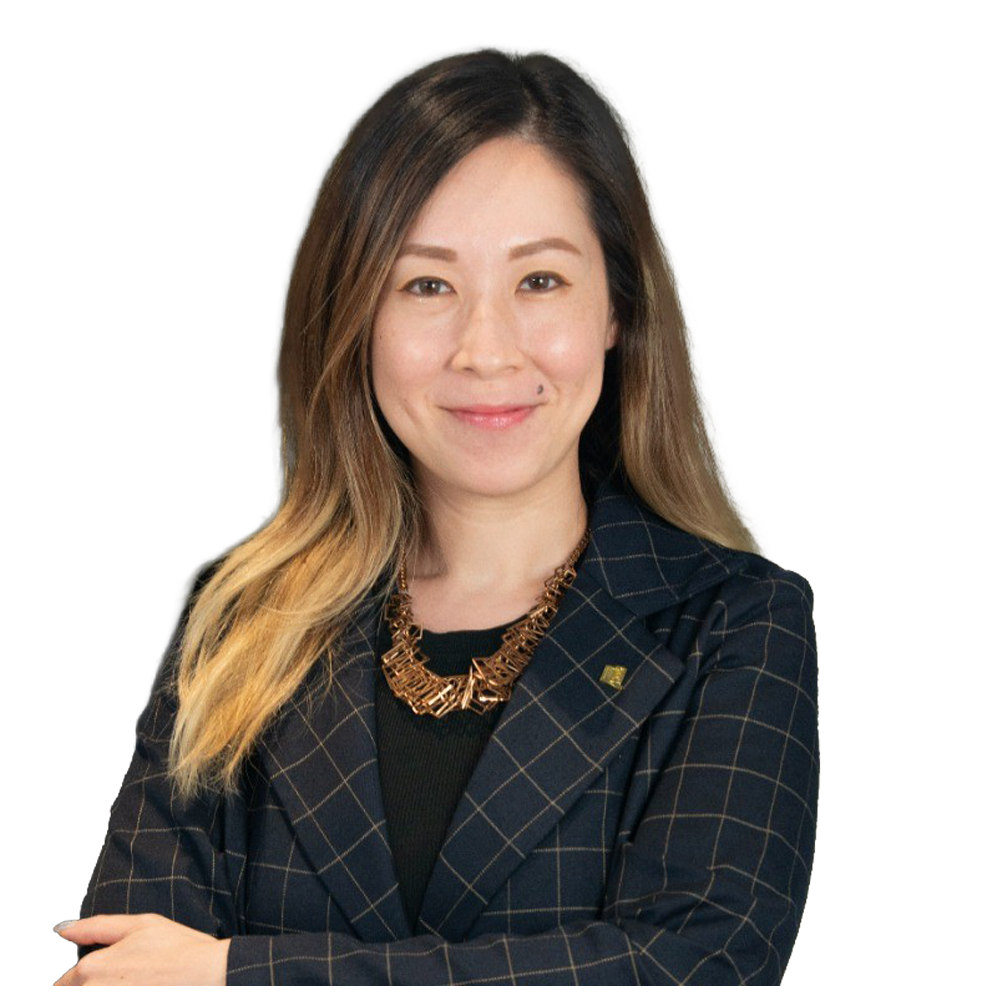
Ms Nelly Lam
Ms Nelly Lam
Ms Nelly Lam
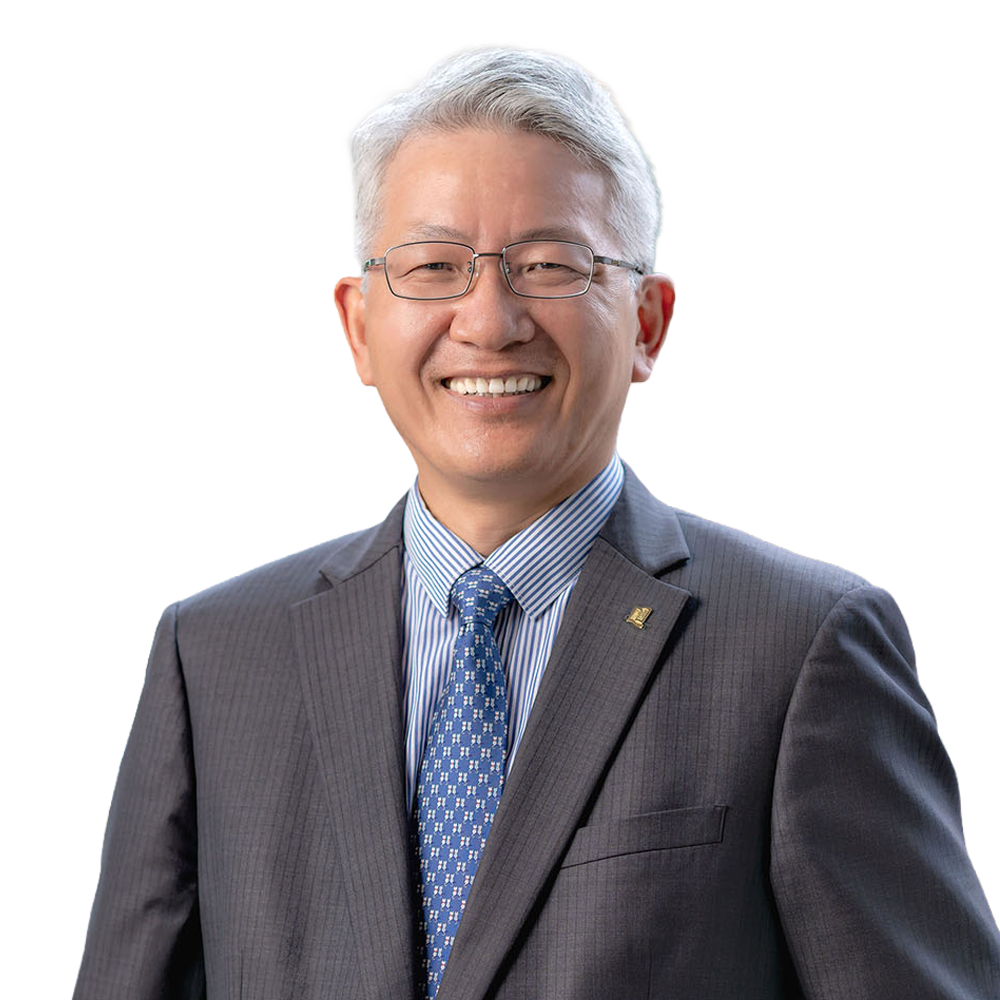
Professor Zhaoxiang Bian, MH
Professor Zhaoxiang Bian, MH
Professor Zhaoxiang Bian, MH
Professor Zhaoxiang BIAN is currently Associate Vice-President (Clinical Chinese Medicine), Chair Professor in Chinese Medicine and Tsang Shiu Tim Endowed Chair of Chinese Medicine Clinical Studies at Hong Kong Baptist University. He also serves as Hospital Chief Executive of The Chinese Medicine Hospital of Hong Kong; Director of the Vincent V.C. Woo Chinese Medicine Clinical Research Institute; Director of the Centre for Chinese Herbal Medicine Drug Development; and Director of the Chinese EQUATOR Centre at the Hong Kong Baptist University. Professor Bian has long been dedicated to the integrative Chinese and Western medicine management of gastrointestinal diseases. His work encompasses clinical services, clinical and basic research, and new drugs development. He is also actively advancing the standardisation and internationalisation of clinical research in Chinese medicine.
Advancing Healthy China Through Food as Medicine
Food as medicine is an important principle of Chinese medicine. As the Healthy China 2030 initiative advances, China has included 110 substances in its catalogue of materials traditionally used as both food and medicine, while the sector is projected to exceed RMB 500 billion. The global functional-food market offers substantial opportunities, but market-entry and regulatory requirements differ across mainland China, Hong Kong and international regions. This presentation explores how traditional wisdom can be combined with scientific evidence and market needs to develop products for different populations, and how collaboration across industry, academia, research, government, business and investment can create a more supportive environment for bringing high-quality products to market and contributing to Healthy China.
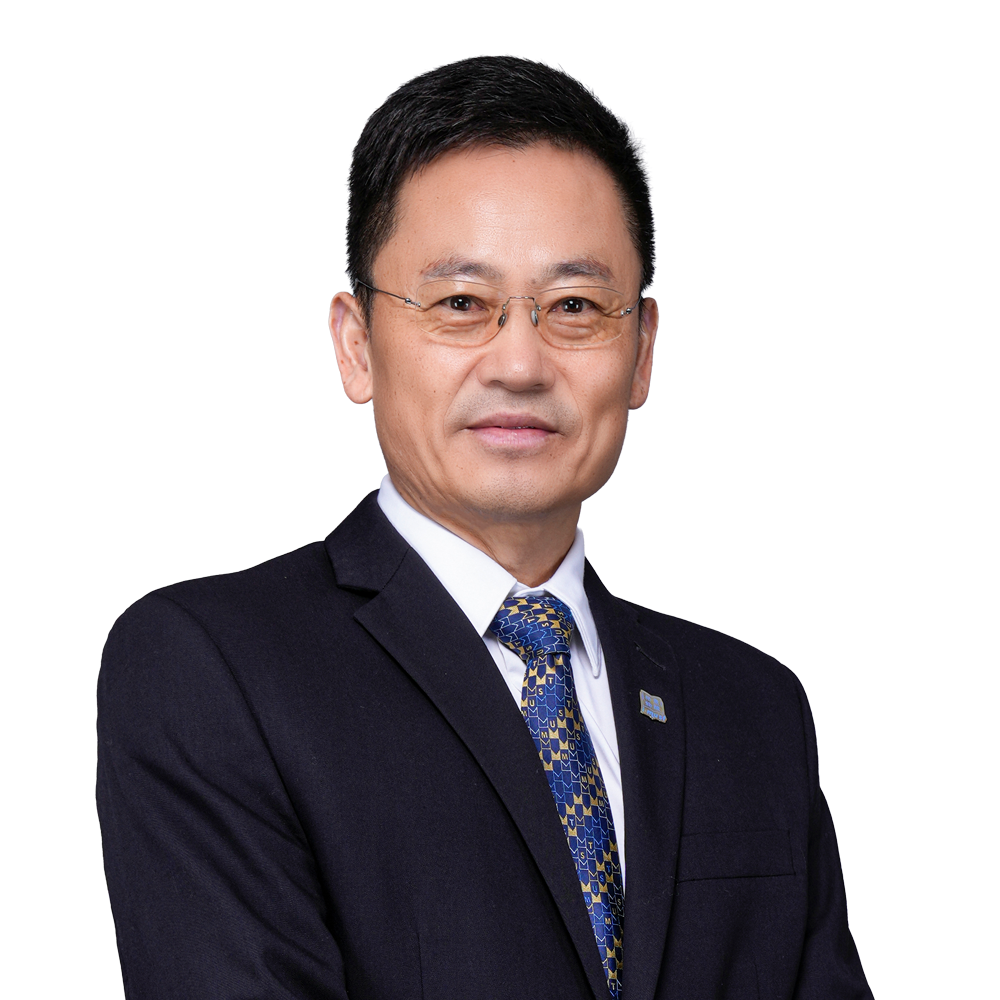
Professor Jian-kang Zhu
Professor Jian-kang Zhu
Professor Jian-kang Zhu
Professor Jian-Kang Zhu is a world-renowned molecular geneticist and plant biologist, a member of the U.S. National Academy of Sciences, and President of Macau University of Science and Technology. He received his Ph.D. from Purdue University in 1993, and has held distinguished professorships at the University of Arizona, UC Riverside, KAUST, and Purdue. Since 2022, he has been Director of the Institute for Advanced Biotechnology at Southern University of Science and Technology. His research focuses on plant stress biology, epigenetics, and gene editing, revealing the SOS salt‑tolerance pathway and the DNA demethylation mechanism, and developing efficient editing tools. He has published hundreds of papers, with over 185,000 citations and an h‑index of 204, and has been a global Highly Cited Researcher for many years, with significant international impact.
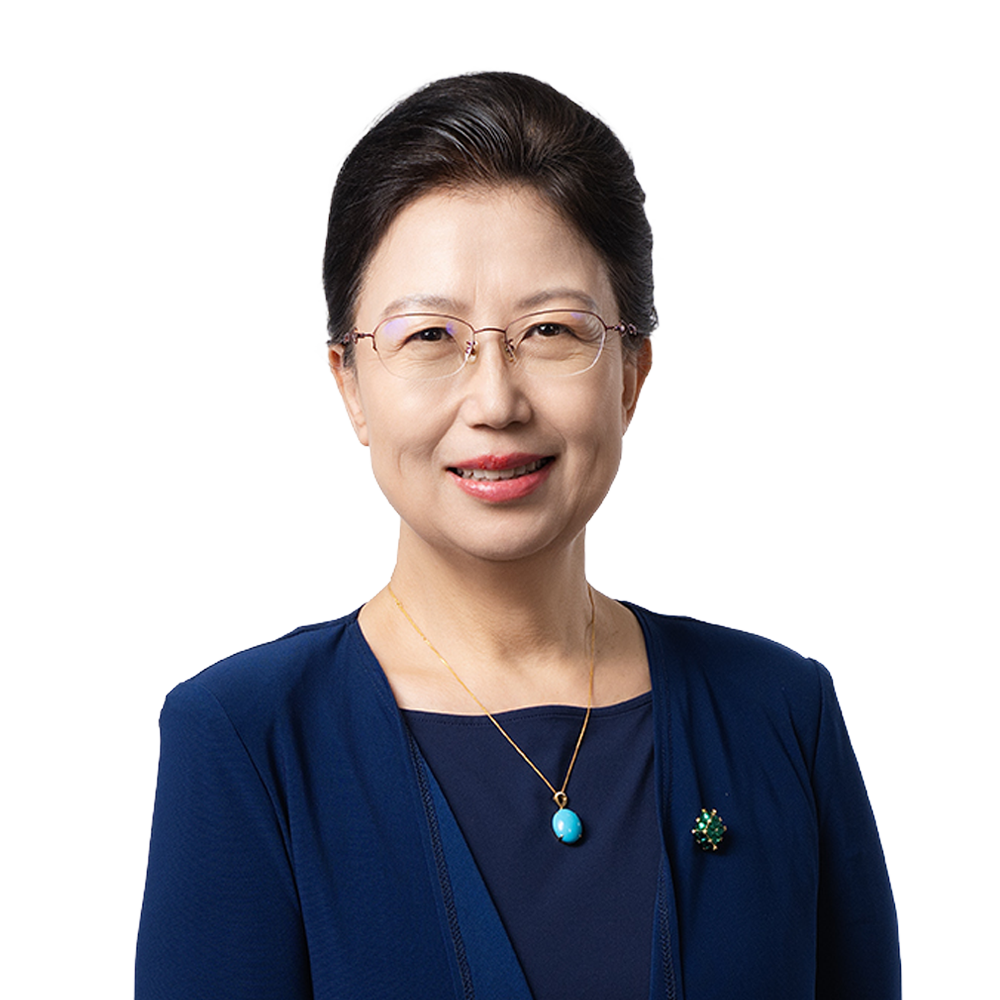
Professor Jin Zhang
Professor Jin Zhang
Professor Jin Zhang
Professor Zhang Jin is Chief Physician and Doctoral Supervisor, Director of the Center for Preventive Medicine and Health Examination at Xiyuan Hospital, China Academy of Chinese Medical Sciences. She holds the titles of Famous TCM Practitioner in Beijing and National Excellent Clinical Talent (4th Batch). She chairs the Preventive Medicine Specialty Committee of Beijing Association of TCM and serves as Vice Chairman of the Preventive Medicine Branch of China Association of Chinese Medicine. She trained under masters Shi Dianbang, Chen Keji, and Zhou Wenquan. Her clinical interests include metabolic syndrome, chronic fatigue, and hyperhidrosis. She is a regular health expert on CCTV and Beijing Television programs.
Traditional Chinese Medicine Health Tea Drink
This lecture systematically introduces the historical origins, classifications, and clinical applications of traditional Chinese medicinal tea substitutes (Daichayin). Originating in the Tang Dynasty, flourishing in the Song, and maturing in the Qing, these tea preparations are convenient, mild in action, and suitable for long-term use. They are categorized by therapeutic effects such as relieving exterior syndrome, clearing heat, and tonifying deficiency. Clinical application requires syndrome differentiation and adherence to principles of individual, seasonal, and geographic suitability, with attention to timing and contraindications. Imperial medical records from the Qing court demonstrate extensive use for disease prevention and recovery, integrated with solar terms and the theory of five-phase circulation and six climatic influences, embodying the concept of preventive treatment. As a simple and effective health-preserving approach, medicinal tea substitutes promote a lifestyle that harmonizes with nature and balances yin and yang.
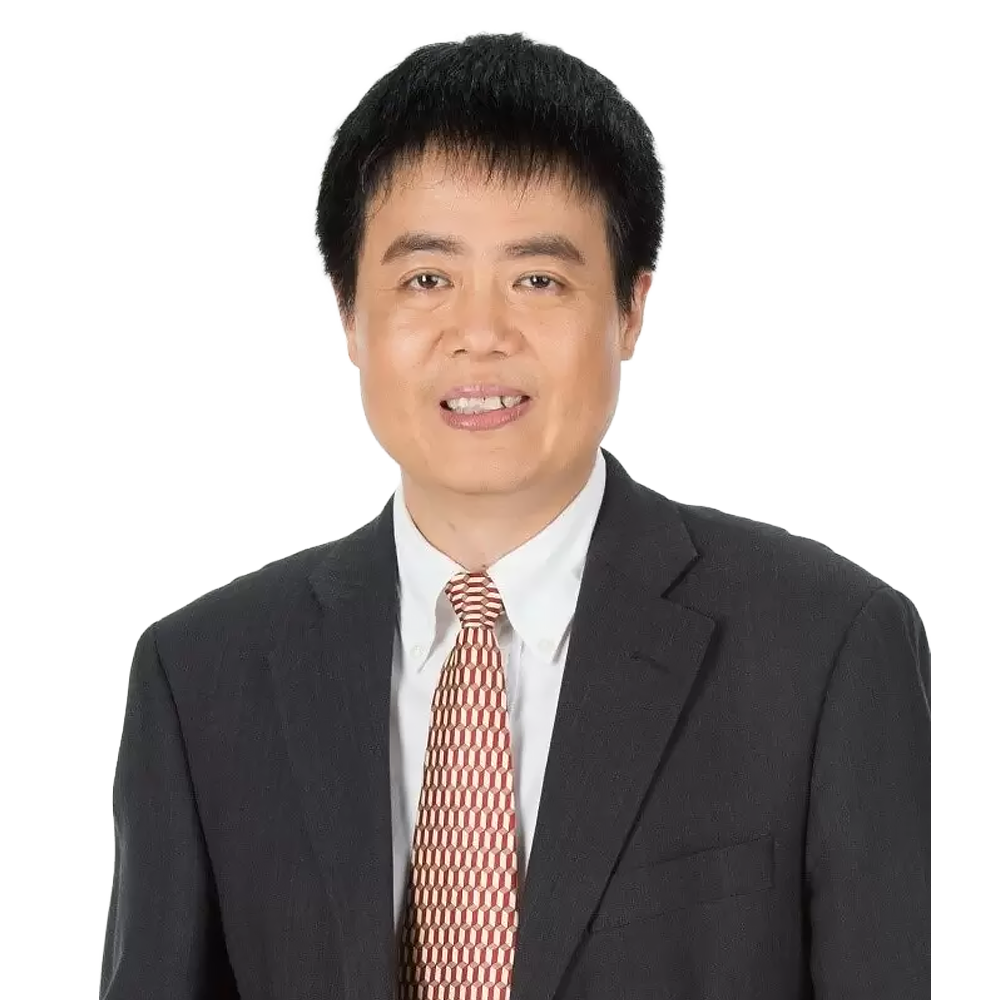
Professor Hongjie Zhang
Professor Hongjie Zhang
Professor Hongjie Zhang
Professor Zhang is currently a Chair Professor and Associate Dean at the School of Chinese Medicine, Hong Kong Baptist University. He obtained his Ph.D. in phytochemistry, and became a faculty member at the Kunming Institute of Botany, the Chinese Academy of Sciences until 2002. From 2003 to 2011, he was a research faculty member at the College of Pharmacy, University of Illinois Chicago. Professor Zhang specializes in the identification, analysis, synthesis, and biological evaluation of small molecules. Professor Zhang’s research focuses on drug discovery and development from natural resources, as well as the formulation of botanical dietary supplements from herbal medicines. He is particularly interested in identifying natural lead compounds from plants native to the Lingnan region of China and translating them into health products for humans and animals. Target indications include cancer, viruses such as HIV, coronaviruses, flaviviruses, influenza viruses and Ebola viruses, dental pathogens, fungal infections, and malarial.
Translational Development of ANL-Based Antivirals from Justicia procumbens: A Commercial Veterinary Opportunity in Pet and Livestock Markets
The continuous global zoonotic outbreaks underscore the urgent need for broad-spectrum veterinary antivirals, as current therapeutics for pets and livestock remain limited. To overcome this challenge, we systematically screened over 5,000 Lingnan plant extracts and identified Justicia procumbens as a promising source of antiviral compounds. Notably, the documented safety profile of this plant as an edible species in Taiwan and Korea minimizes the risks of veterinary formulation development. Our bioassay-guided isolation from this herb yielded arylnaphthalene lignans (ANLs), which act as viral entry inhibitors by targeting host endosomal acidification. This mechanism supports broad-spectrum activity against various viruses, including avian influenza (H5N1), SARS-CoV-2, Ebola, dengue, Japanese encephalitis, and Zika viruses. To utilize these properties, we established Pishon, a company dedicated to translating ANL compounds into commercial antiviral products for pet and farm animals. Overall, this initiative integrates ethnobotany, virology, and commercial strategy to deliver safe and feasible human and veterinary antiviral therapeutics for urgent infectious disease challenges.
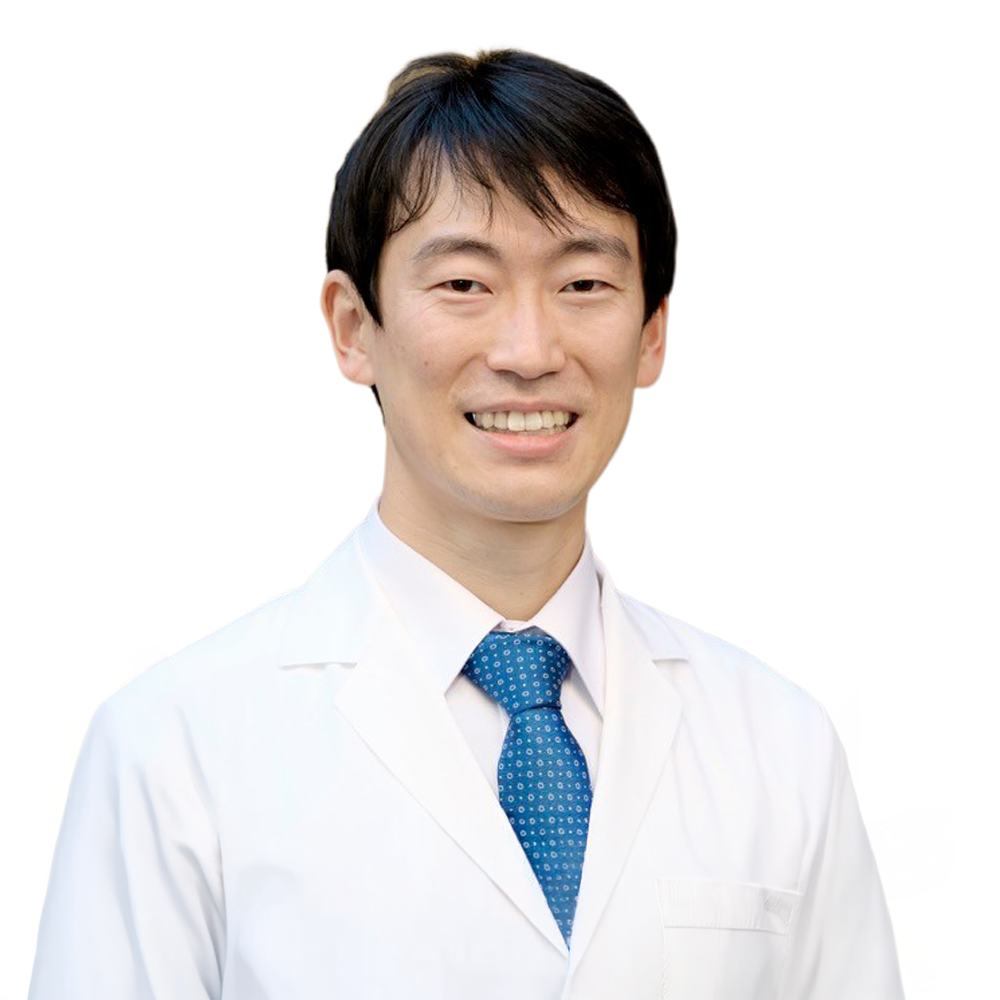
Dr Tetsuhiro Yoshino
Dr Tetsuhiro Yoshino
Dr Tetsuhiro Yoshino
Dr. Tetsuhiro Yoshino is a Project Senior Assistant Professor at the Center for Kampo Medicine, Keio University School of Medicine. He earned his MD in 2008 and his PhD in 2016 from Keio University. Dr. Yoshino specializes in Kampo medicine (traditional Japanese medicine) and internal medicine. His research focuses on the clinical evidence of Kampo medicine, digital innovation in Kampo diagnosis, and the mechanisms of herbal adverse effects like licorice-induced pseudoaldosteronism. He is a board-certified Kampo specialist and actively serves in leadership roles in multiple societies, including the Japan Society for Oriental Medicine. He has received numerous awards, including the ACP Global Physician Scholar (2025).
Integration of Traditional Medicine into the Japanese Healthcare System (Pre-recorded video)
Traditional Japanese Kampo medicine is integrated uniquely into a system where fully licensed conventional medical doctors prescribe formulas. As our aging population grows, primary care faces increasing cases of medically unexplained symptoms. While conventional medicine focuses on a “cure,” leaving many subjective illnesses unvalidated, Kampo offers holistic “care”. This presentation explains how Kampo validates patient illness and serves as a psychological buffer against physician burnout. However, integrating traditional diagnosis into modern biomedical practice remains a challenge in Japan. To bridge this gap, we explain the motivation behind developing digital and AI-driven clinical support tools for general practitioners. We aim to show how integrating traditional medicine establishes a sustainable healthcare framework that supports both patient outcomes and provider well-being.
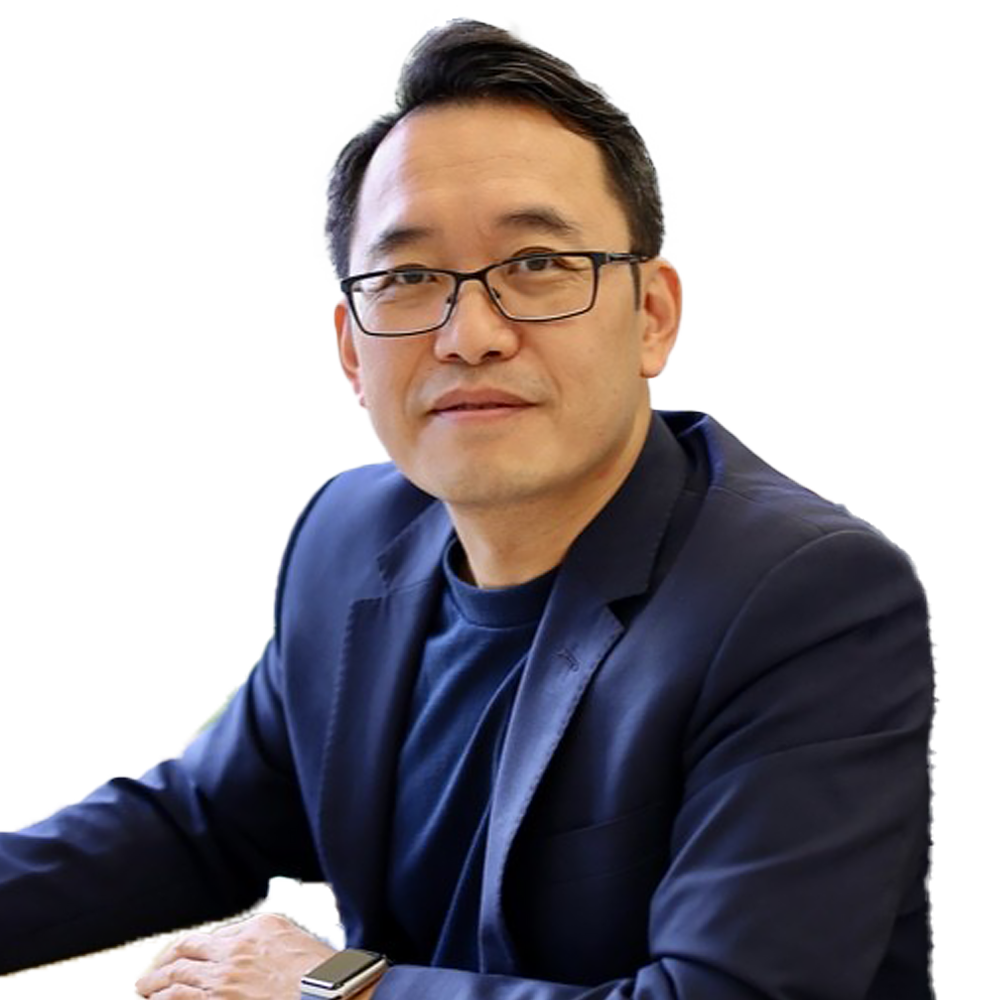
Dr Ken Yeung
Dr Ken Yeung
Dr Ken Yeung
Dr Ken Yeung has over 25 years of experience in translational research and industry collaboration, with prior positions at the GlaxoSmithKline R&D in the UK, and the Hong Kong Institute of Biotechnology (HKIB). He has extensive expertise in pharmaceutical and biopharmaceutical development, quality assurance/GMP, and regulatory affairs, with a proven track record of supporting industry advancement. He also established CPD training programmes for the pharmaceutical sector, recognised by the Hong Kong Department of Health, which have facilitated deeper partnerships with industry and professional associations. Previously, Dr. Yeung served as Associate Director of Research and Knowledge Transfer Services at The Chinese University of Hong Kong (CUHK), where he focused on technology transfer and collaborative initiatives, including forging research collaborations for InnoHK centres with leading institutions in the USA and Europe.
In the Institute for Innovation and Translation at Hong Kong Baptist University (HKBU), Dr Yeung is developing translational research infrastructures as well as high-impact biomedical technologies in collaboration with industry partners.
Wu Jieh Yee Institute of Translational Chinese Medicine Research
Funded by the Wu Jieh Yee Charitable Foundation, Wu Jieh Yee Institute of Translational Chinese Medicine Research (WJY ITCMR) is envisioned as a modern platform for the advancement of Chinese medicine, leveraging state-of-the-art research infrastructure to support innovation, technology development, and product commercialisation. The Institute is committed to translating scientific discoveries into clinical applications and driving the standardisation and internationalisation of Chinese medicine through cutting-edge research, interdisciplinary collaboration, and the integration of innovative technologies.
WJY ITCMR is rapidly emerging as a vibrant hub for research and collaboration in Chinese medicine. Currently, the Institute supports a dynamic and expanding community of over 100 researchers and is actively engaged in more than 30 ongoing projects spanning a broad spectrum of topics, from evidence-based Chinese medicine and smart diagnostics to tele-healthcare solutions and beyond. Through these efforts, the Institute continues to advance the frontiers of translational Chinese medicine research, contributing significantly to healthcare innovation and societal well-being.
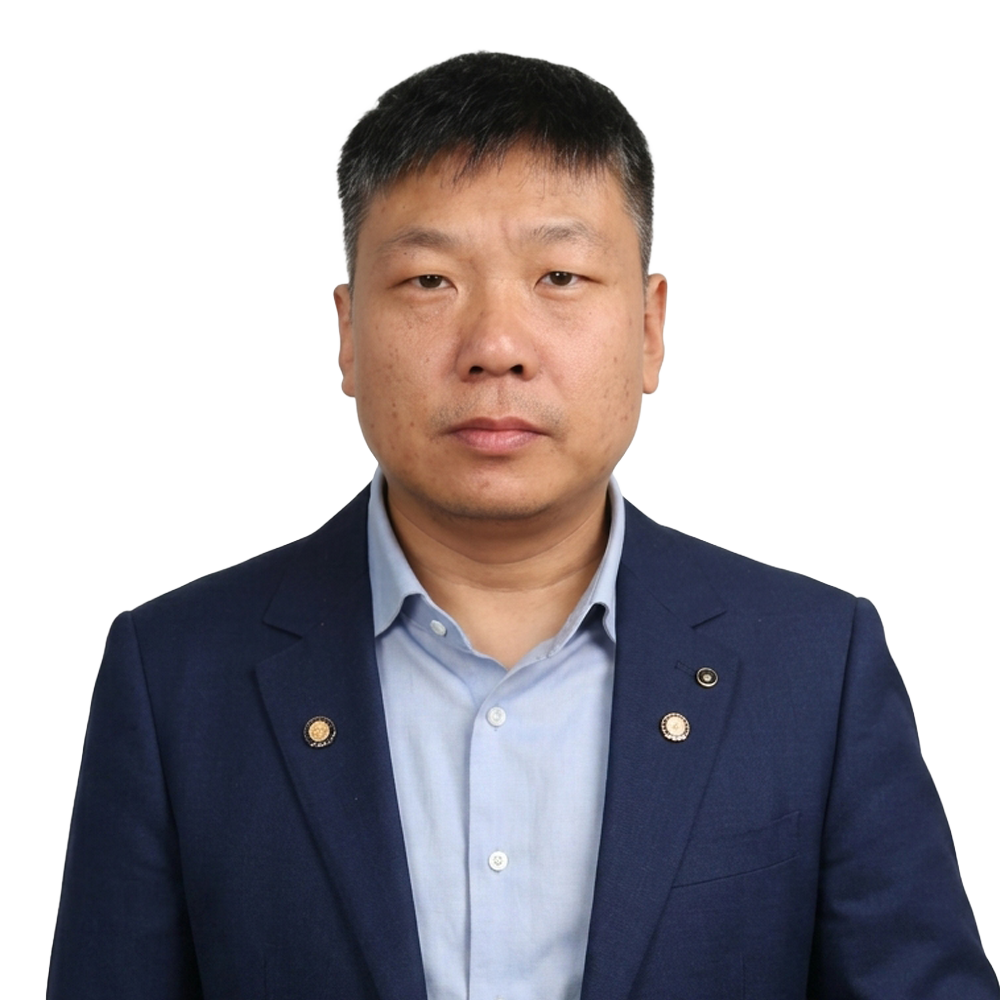
Dr Guang Yang
Dr Guang Yang
Dr Guang Yang
Engaged in research on medicinal and edible materials like Ophiopogon and Dendrobium, and published over 20 papers related to medicinal and edible materials.
Application Cases of Synthetic Biology in Macau’s Functional Food Sector—Taking JINDAN Capsule as an Example
Using the research and application of Macau Golden Bold Powder as an example, this introduces Macau’s classification management system for food and drugs and explores the potential of synthetic biology technology in Macau’s functional food sector.
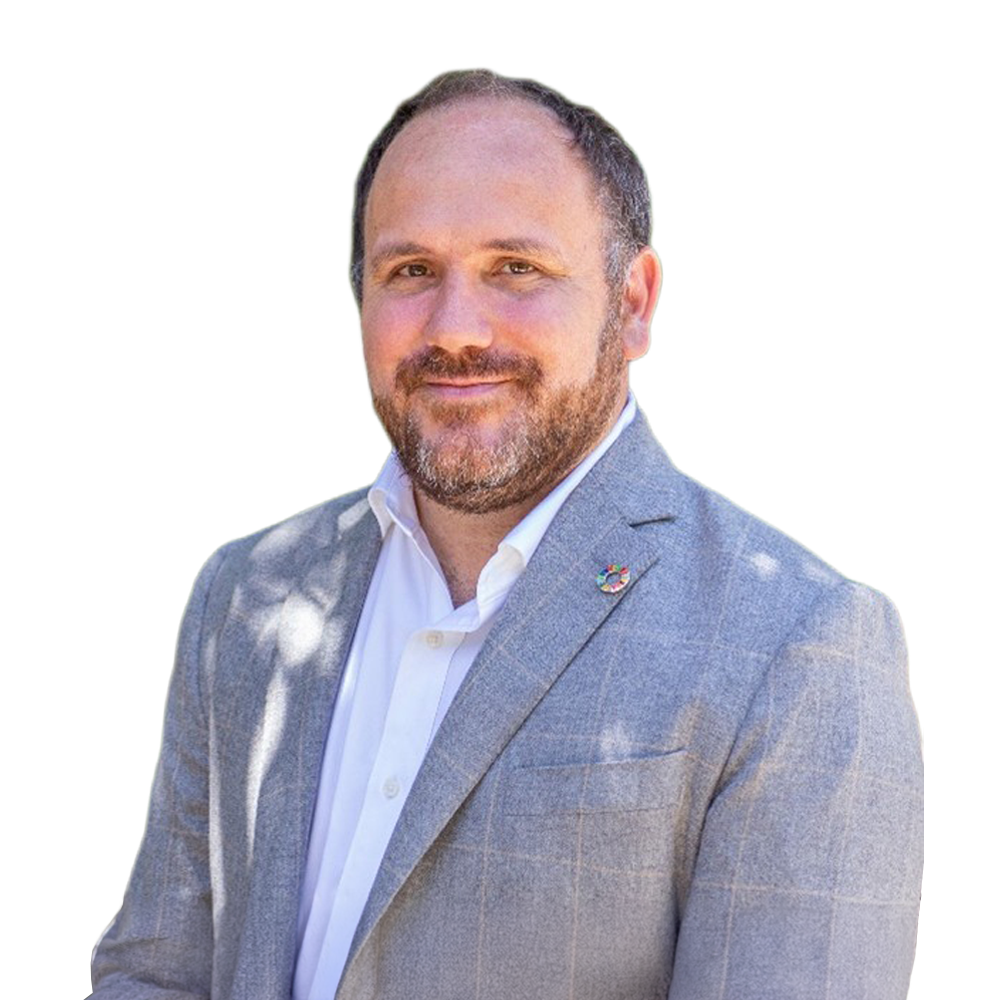
Professor Jon Wardle
Professor Jon Wardle
Professor Jon Wardle
Jon is Professor of Public Health and Foundation Director of the National Centre for Naturopathic Medicine at Southern Cross University. Jon also oversees the University’s Northern Rivers Natural Products Research and Development Hub, which supports regional economic development through linking the primary production and biotechnology sectors. In addition to clinical qualifications, Jon has postgraduate qualifications in public health, law and health economics. Jon has published over 200 research publications, has leadership positions in the Public Health Association of Australia and American Public Health Association, is a fellow of the Australasian Society for Lifestyle Medicine, and leads several World Federation of Public Health Associations and World Health Organization initiatives in primary health care, health policy, traditional, complementary and integrative medicine, and developing health research capacity in developing countries. Jon works on traditional and Indigenous medicine, public health and primary health care policy with numerous governments, non-government organisations and international bodies.
Harvest to Health: Navigating and Leveraging Research Opportunities in the Food-Medicine and Science-Tradition Nexus
As the potential of food as medicine is increasingly recognised new challenges consistently impact research and development in this area. As more critical attention is paid by regulators to the food-medicine interface, more complex regulatory approaches to therapeutic natural products are occurring. International regulatory and legislative developments are increasingly acknowledging traditional knowledge for medicinal health claims, with evidence-based principles guiding policy development rely not only on scientific methods but also on longstanding traditions of use. Consumer demand for food as medicine products is also increasingly being accompanied with greater concerns on sustainability and provenance. Using examples from across the value chain, this presentation examines some of the issues in balancing remaining authentic to food as medicine principles while ensuring innovation can keep pace and even leverage increasingly sophisticated consumer and regulator expectations, whilst proposing solutions to some of the challenges occurring in this space.
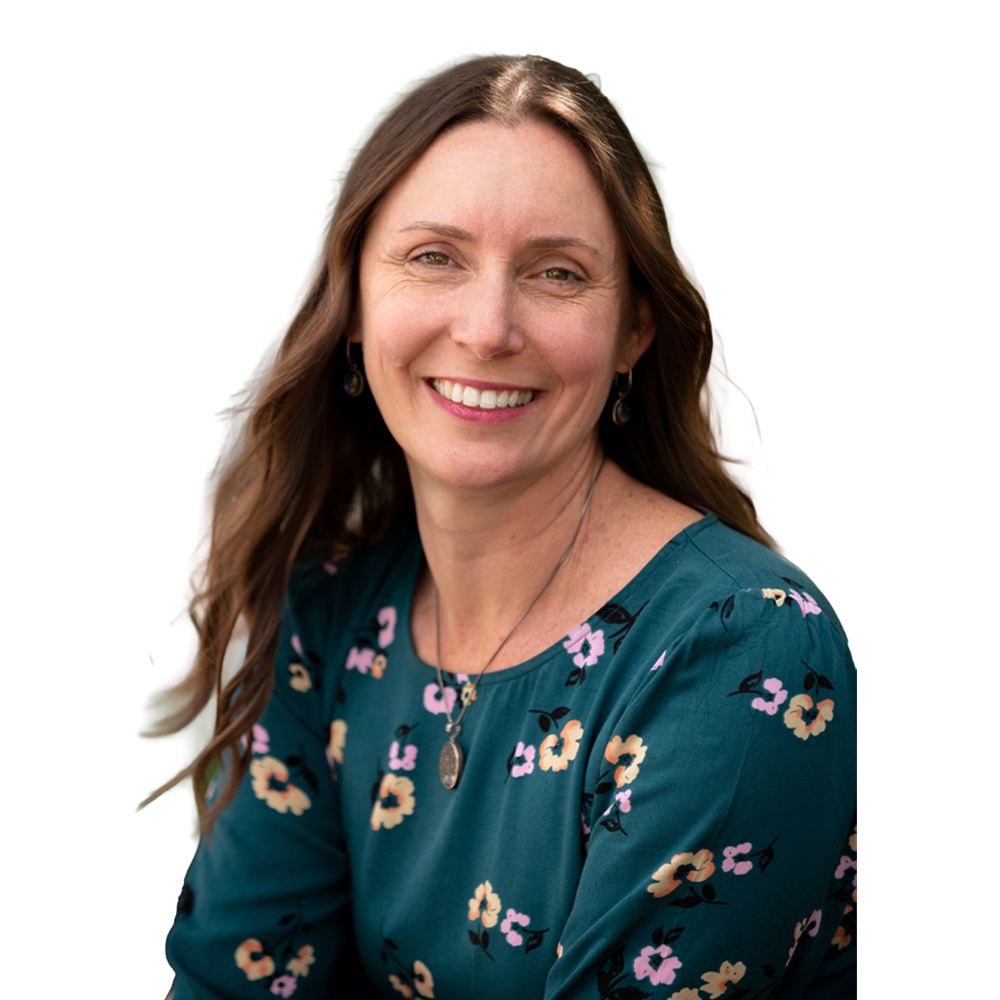
Professor Amie Steel
Professor Amie Steel
Professor Amie Steel
Prof. Amie Steel is a Professor in Public Health and Director of the Australian Research Consortium in Complementary and Integrative Medicine at Southern Cross University. She is also an Australian Research Council Future Fellow and currently serves as the research lead for the World Health Organization’s Global Research Priority Setting Exercise in Traditional, Complementary and Integrative Medicine (TCIM). With over 300 scholarly publications, her research explores the integration, regulation, and practice of traditional medicine within contemporary health systems. Her work spans women’s health—particularly fertility, pregnancy, and preconception care—as well as the interface between evidence-based medicine and traditional health practices. Methodologically, she specializes in mixed methods research, implementation science, knowledge mobilisation, and pragmatic clinical trials within applied health services research.
Building the Research Ecosystem for Food Homology: Funding, Researchers, Infrastructure
This presentation explores how a stronger research ecosystem can be built for Food Homology and Food as Medicine. While interest in therapeutic foods to address health and wellness is growing globally, research capacity remains uneven, with fragmented funding pathways, limited researcher development opportunities, inconsistent infrastructure, and variable integration across sectors. Drawing on an analysis of international TCIM research priorities, this presentation examines the ecosystem conditions required to accelerate high-quality Food Homology research and translation. Key themes include strategic investment in research funding, workforce development and career pathways, research infrastructure and data systems, interdisciplinary collaboration, and mechanisms for translating evidence into policy and practice. Particular attention is given to the role of international partnerships, implementation research, and consumer and community engagement in strengthening relevance and impact. The presentation proposes a roadmap for creating a sustainable and globally connected Food Homology research ecosystem capable of generating robust evidence and supporting healthier populations.
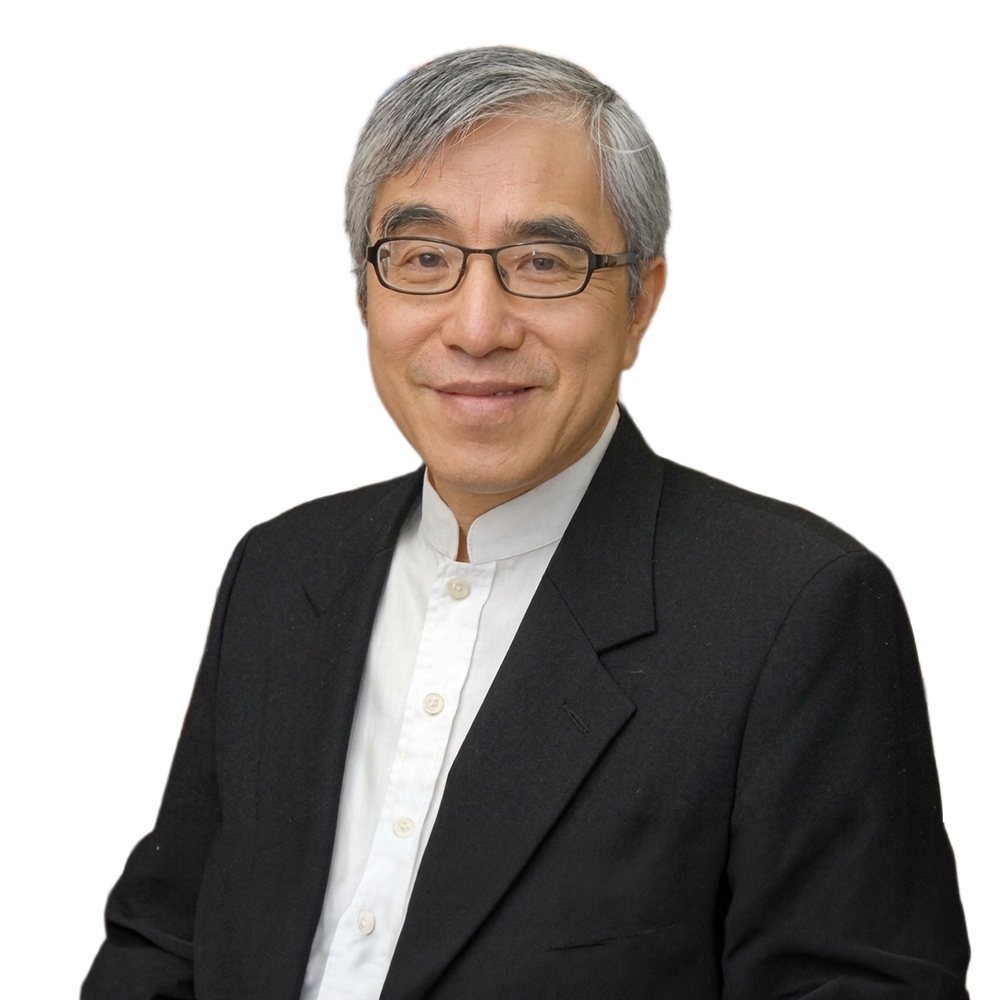
Professor Kwok Fai So
Professor Kwok Fai So
Professor Kwok Fai So
Member of the Chinese Academy of Sciences, Co-Chairman of the Board of Director of the ChinaSCINet (www.chinascinet.org ), and Editor-in-Chief of Neural Regeneration Research (www.nrronline.org ). Received PhD degree from MIT. He is one of the pioneers in the field of axonal regeneration in visual system. He was the first to show lengthy regeneration of retinal ganglion cells in adult mammals with peripheral nerve graft. He is currently using multiple approaches to promote axonal regeneration after injury in the optic nerve and spinal cord. His team identifies neuroprotective and regenerative factors including: exercise, wolfberry, trophic factors, peptide nanofiber scaffold, and environmental manipulation. 1995 obtained the Natural Science Award of the National Natural Science Foundation of China. 1999 was elected Member of the Chinese Academy of Sciences. 2015 was elected FNAI, US National Academy of Inventors, Fellow.
Neuroprotection of Goji Glycopeptide
Learn about how Goji glycopeptide emerges as a promising food-derived neuroprotective agent, capable of mitigating neuronal damage in neurodegenerative diseases through multiple biological pathways, underscoring its potential role in future preventive and therapeutic interventions.
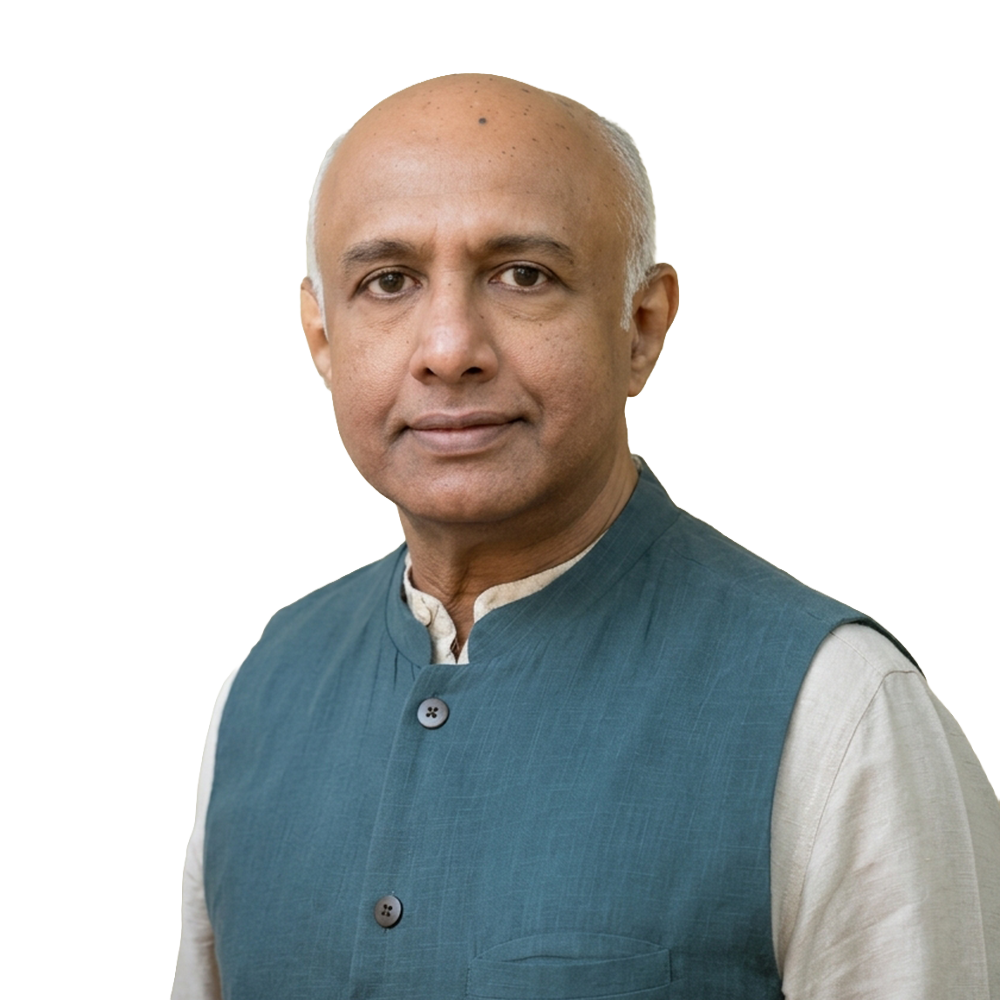
Dr Geetha Krishnan Gopalakrishna Pillai
Dr Geetha Krishnan Gopalakrishna Pillai
Dr Geetha Krishnan Gopalakrishna Pillai
Dr. Geetha Krishnan Gopalakrishna Pillai is Unit Head for Traditional Medicine Research, Data and Innovation at the World Health Organization (WHO), where Dr. Pillai leads work on evidence, data systems, and innovation for traditional, complementary and integrative medicine (TCIM). The work focuses on research methodologies, real-world evidence, digital data architectures, and equitable innovation linked to biodiversity and Indigenous knowledge systems. Dr. Pillai contributes to implementation of the WHO Traditional Medicine Strategy 2025–2034 and to the scientific and policy agenda of the WHO Global Traditional Medicine Centre. Dr. Pillai has contributed to global initiatives linking traditional medicine, planetary health, and sustainable development, and supports Member States in integrating TCIM into health systems through evidence-informed approaches. With a background in clinical practice and research, experience spans drug discovery and development, intellectual property, health systems, research policy, and global health strategy. Dr. Pillai holds an MD in Clinical Pharmacology.
Food as Medicine: From Traditional Knowledge to Evidence-Informed Public Health Action
Across cultures, food has long been inseparable from healing, yet its potential remains under-realised in modern health systems. This keynote positions Food as Medicine not as a defined set of products, but as an emerging, multidisciplinary agenda connecting traditional knowledge, nutrition science, implementation research and equitable innovation. Drawing on the mandate of the WHO Global Traditional Medicine Centre and the work of its Traditional Medicine Research, Data and Innovation unit, it examines what current evidence supports, where critical gaps persist, and how real-world data and rigorous methods can responsibly advance the field. Illustrative innovations emerging through the Health and Heritage Innovations (H2I) accelerator, from Indigenous herbal beverages to fortified functional foods and heritage-derived supplements, demonstrate both promise and the need for stronger validation. The presentation closes with a call to build the evidence, partnerships and innovation ecosystem required to translate this opportunity into meaningful, equitable public health impact.
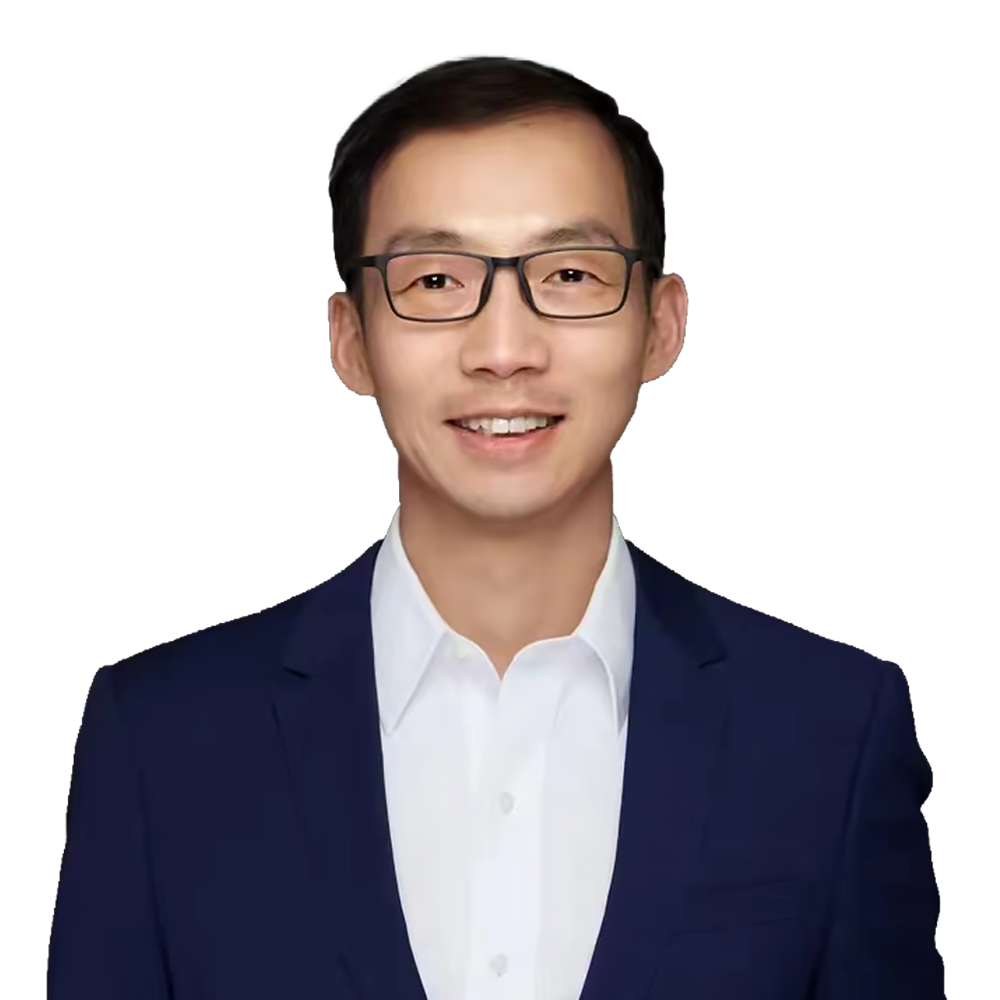
Dr Frank Ma
Dr Frank Ma
Dr Frank Ma
Immune Synergy of Medicine-Food Homologous Polysaccharide Complexes: From the Wisdom of Traditional Chinese Medicine Formulations to Systematic Deconstruction
Polysaccharides are important bioactive macromolecules with significant potential in immune regulation, yet the synergistic mechanisms underlying polysaccharide complexes have long lacked systematic elucidation. This report uses Ganoderma lucidum polysaccharides as core models to establish a five-level research system spanning strain identification, directed preparation, mechanism elucidation, quality control, and synergy validation. Key findings confirm that immune activity depends on gut microbiota-mediated indirect regulation; a structure-corrected β-glucan quantitative model and oligosaccharide fingerprinting quality control method for complex systems were established; and across three independent scenarios—gut-lung axis regulation, antiviral and anti-tumor microenvironment intervention, and skin wound healing—polysaccharide complex formulations exhibited significantly superior efficacy compared to individual polysaccharides. This report offers a methodological framework integrating traditional Chinese medicine wisdom with modern systems science for precision product development in immune health.
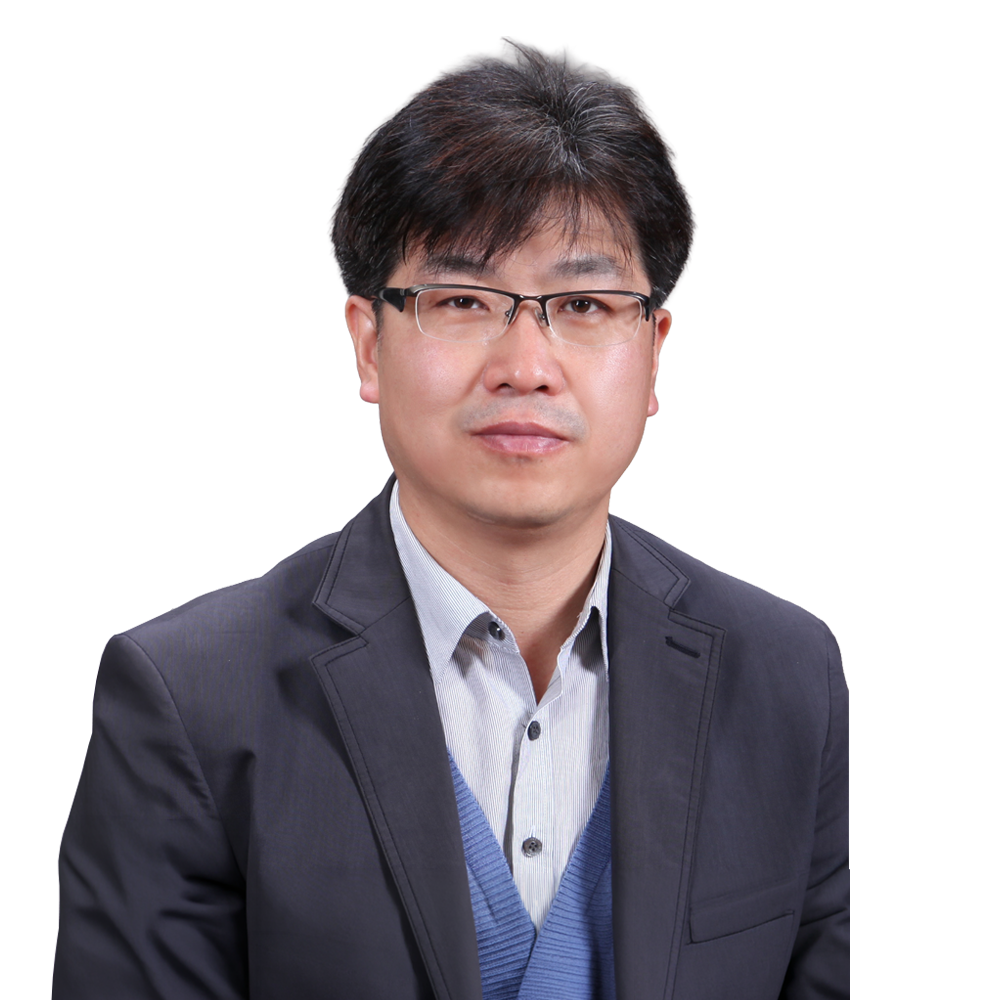
Professor Myeong Soo Lee
Professor Myeong Soo Lee
Professor Myeong Soo Lee
Professor Myeong Soo Lee is a Principal Researcher at the Korea Institute of Oriental Medicine (KIOM), South Korea. He received his PhD in Oriental Medicine from Wonkwang University in 2004 and completed research training in evidence-based complementary medicine at the Peninsula Medical School, University of Exeter, UK. He has held academic appointments at Beijing University of Chinese Medicine, Tianjin University of Traditional Chinese Medicine, Lanzhou University, the Affiliated TCM Hospital of Guangzhou Medical University, Hong Kong Polytechnic University, and Nanyang Technological University, Singapore. He is also a Research Affiliate at the Osher Center for Integrative Medicine, Brigham and Women’s Hospital, Harvard Medical School. He leads Cochrane Complementary Medicine Korea. In 2026, he was appointed to the WHO Strategic and Technical Advisory Group on Traditional, Complementary and Integrative Medicine (WHO STAG-TM). He has published over 600 SCIE articles, serves on 30+ journal editorial boards, and ranks among Stanford’s top 2% scientists.
Food as Medicine in Korea: Evidence and Translational Infrastructure
Korea provides a distinctive setting for translating the principle of medicine–food homology into evidence-based Food as Medicine (FAM) practice. A regulatory list of dual-use herbal–food materials, a health functional food approval system, and a research infrastructure spanning government institutes, universities, and industry have supported three decades of work on foods, herbs, and dietary interventions for disease prevention and treatment. This presentation maps Korea’s research landscape: dominant themes, the balance of preclinical and clinical work, and the growth of randomised trials and systematic reviews. It then asks what this evidence base can and cannot yet support, highlighting heterogeneous outcome measures, uneven reporting quality, and limited safety data on herb–food–drug interactions. Building on these observations, the talk proposes priorities for the field: core outcome sets, risk-proportionate evidence standards, harmonised definitions across jurisdictions, and regional collaboration linking Korea, Hong Kong, and mainland China.
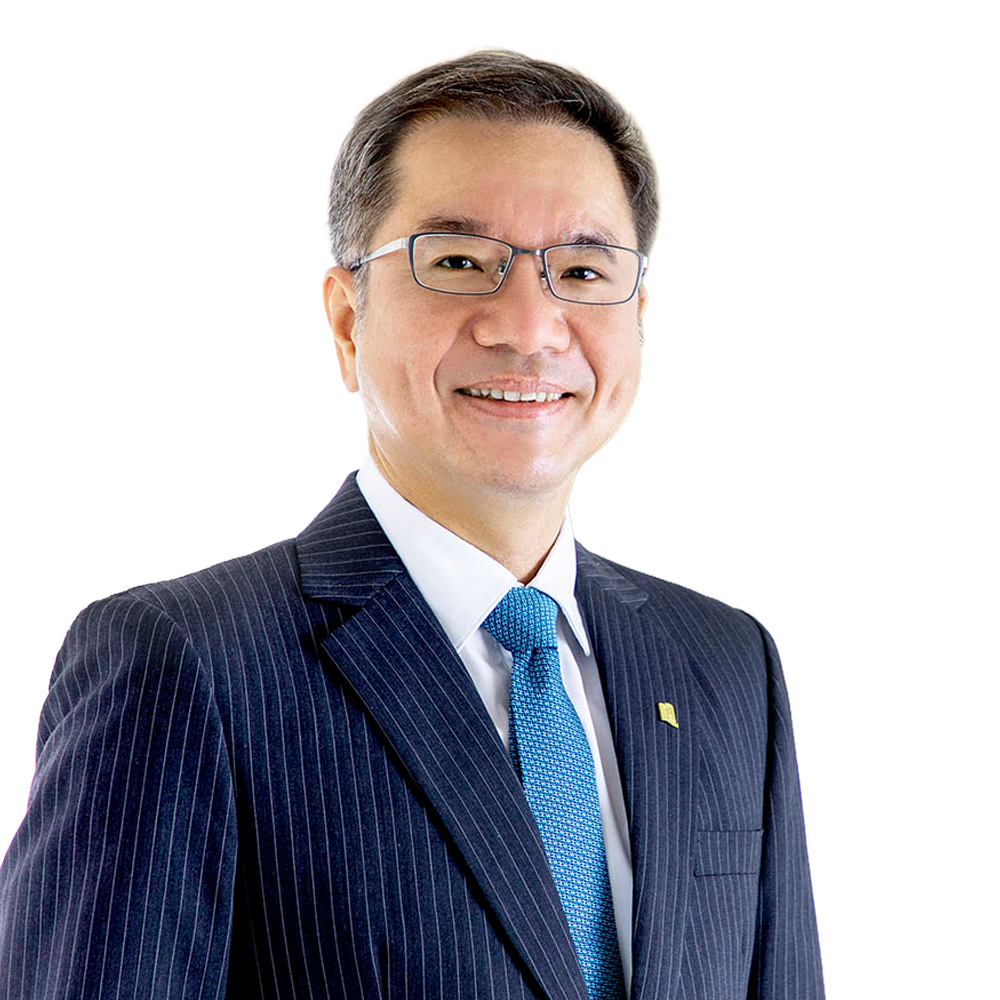
Professor Terence Lok-ting Lau
Professor Terence Lok-ting Lau
Professor Terence Lok-ting Lau
Professor Terence Lau has dedicated over 20 years in technology and entrepreneurial ventures, especially in the research & development and commercialisation of innovative products. As the Interim Chief Innovation Officer of the Hong Kong Baptist University (HKBU), Professor Lau will strategically drive high-impact research, the translation and transfer of HKBU’s cutting-edge innovations, as well as policy research in innovation and technology overall. He is also a Senior Advisor to the President and Vice-Chancellor and Honorary Professor of the School of Chinese Medicine.
Professor Lau started his career in a renowned Swiss-based multinational company, and was then involved in setting up biotechnology companies and has developed over a hundred products particularly in the area of biotechnology. He returned to the academia in 2013 and worked with various stakeholders to promote high-impact research, their translation and application through bridging the gap in technology readiness between academic inventions and real-life applications. Prior to joining HKBU, he was the Interim Associate Vice President (Innovation and Technology Development) at The Hong Kong Polytechnic University.
In light of his expertise, Professor Lau serves various advisory roles in the industry, government, as well as supranational bodies. He is currently a member of the Advisory Council on Food and Environmental Hygiene and the Expert Committee on Antimicrobial Resistance. He has also served in the Small and Medium Enterprise Committee, and many others related to intellectual properties, innovation and technology development, and food and agricultural development. He is the founder and Chairman of Food Safety Consortium, a charitable organisation which has become the first WHO/FAO Codex Alimentarius NGO observer from China. He has also been appointed as a committee member of the National Technical Committee on Biometrology of China since 2009. Professor Lau served as Advisor, Adjunct Investigator / Professor in a number of institutions and was a Senior Advisor to United Nations Office for Project Services (UNOPS). He is also the founding Chairman of the Board of the DISH Global Centre for Food Safety & Quality, a non-profit alliance to promote food related collaborations among EU – Hong Kong / China / Asia Pacific.
Professor Lau has co-authored a number of peer-reviewed scientific articles and is the co-inventor of a number of patents. He has also co-developed five Chinese National Standards and is the recipient of the Beijing Municipal Technology Award and Chinese Medical and Technological Award. Professor Lau has also been awarded the International Leadership Award by the International Association for Food Protection in the United States in recognition of his contributions to food safety.
Professor Lau graduated from The University of Hong Kong with an honours bachelor of science degree in Animal and Plant Biotechnology and subsequently received scientific training at Indiana University (Bloomington) and Stanford University School of Medicine in the US. He also received his Master of Philosophy degree in Biology from the Hong Kong University of Science and Technology, and PhD degree in Physiology from Peking University, China.
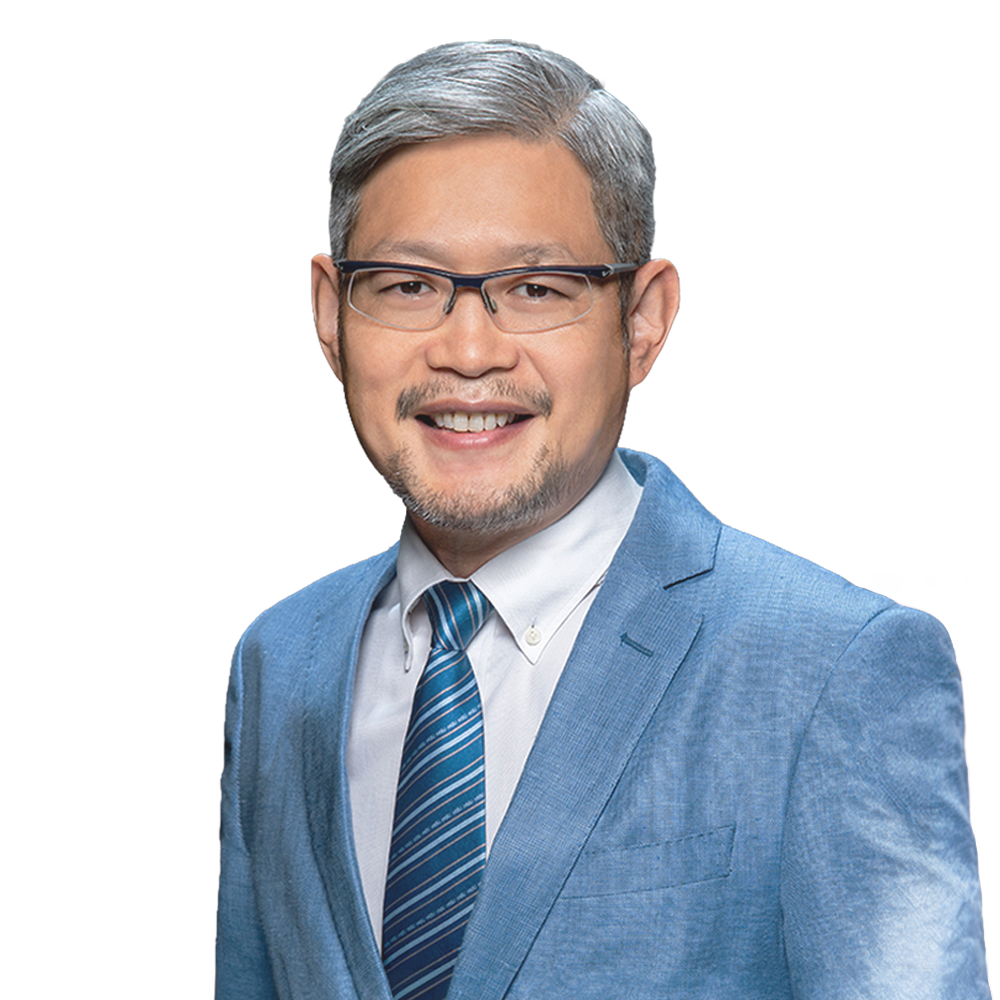
Professor Simon Han
Professor Simon Han
Professor Simon Han
Prof. Han Quanbin currently serves as the Associate Dean of School of Chinese Medicine, Director of the Research Center for Herb Polysaccharides and Intestinal Immunity at Hong Kong Baptist University, Editor-in-Chief of Phytochemical Analysis, Chairman of International Society of Natural Products, Member of Biology and Medicine Panel of the Hong Kong Research Grants Council, and founder of the Hong Kong Authentication Centre of Valuable Chinese Medicines. His main research interests focus on the chemistry, quality control, and biological activity of herb polysaccharides. He has published 200+ SCI papers (40 as the first author), with more than 9,000 citations, a Google Scholar H-index of 59, and holds over 20 national and international patents, with 18 technology transfers. He has been ranked among the top 2% of scientists globally for several consecutive years.
Exploration in Chemical and Biological Analysis of Herb Polysaccharides
Research on polysaccharides faces three main challenges: 1. Structural identification of polysaccharides; 2. Qualitative and quantitative analysis of polysaccharides; 3. Bioavailability of orally administered polysaccharides. Our research group has conducted exploratory studies on Dendrobium polysaccharides and Astragalus polysaccharides in these three areas. Firstly, based on the research example of Dendrobium polysaccharides, we proposed a purity standard for polysaccharides based on enzyme diagnostics and completed model studies using polysaccharide standards. Secondly, we developed qualitative and quantitative analysis methods based on polysaccharide and oligosaccharide markers, enabling the qualitative and quantitative analysis of specific polysaccharides in herb formulations and biological samples. Finally, using these analytical methods, we discovered a pathway for the intestinal lymphatic absorption of orally administered polysaccharides, providing new insights into the bioavailability of orally administered polysaccharides.
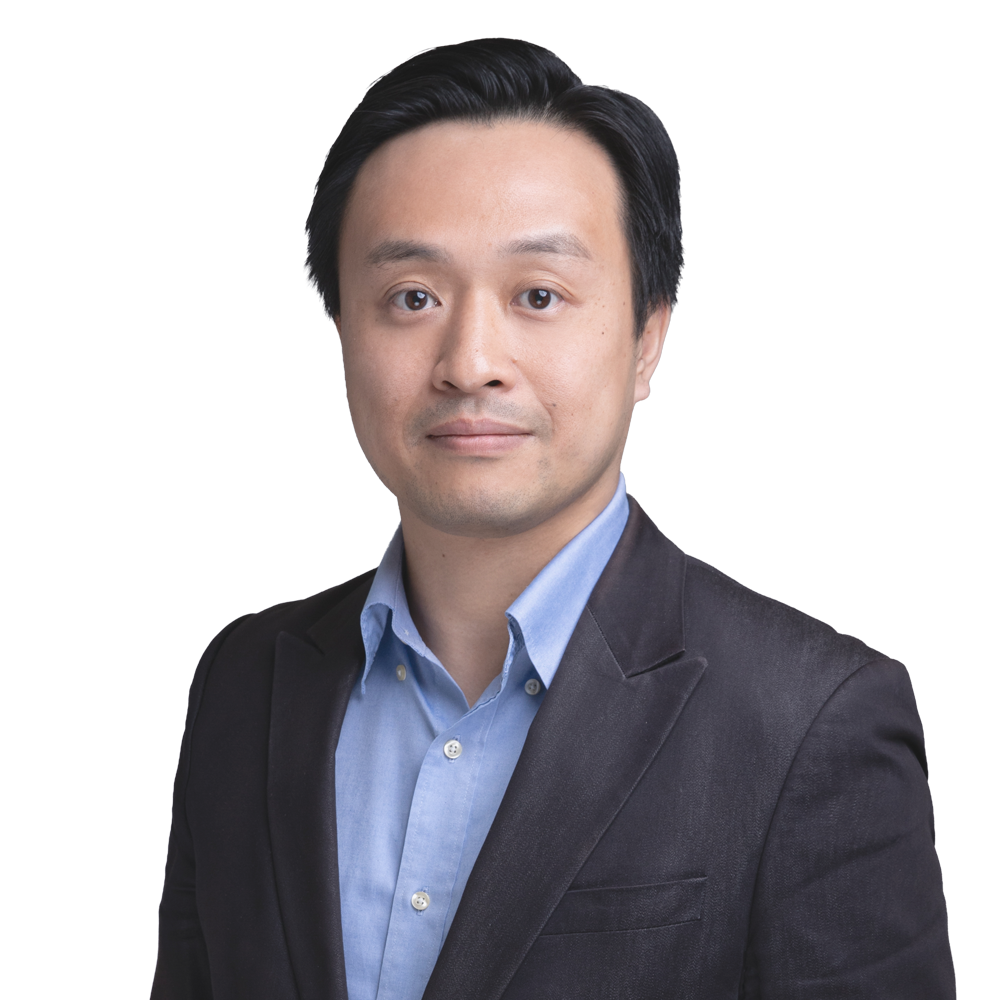
Mr Philip Chiu
Mr Philip Chiu
Mr Philip Chiu
Philip has been working in the community pharmacy sector for over 20 years. Over the years, he has been actively involved in the development of primary healthcare and community pharmacy in Hong Kong. He was the President of the Pharmaceutical Society of Hong Kong from 2015-2017 and he served as member of the Steering Committee on Primary Healthcare Development from 2017-2024. He is currently chairman of the College of Pharmacy Practice.
Opportunities and Challenges for the Development of Chinese Medicine and Food as Medicine in Hong Kong
In Hong Kong, the general population use both Chinese medicine and Western medicine. The role of Chinese medicine during pandemic stands out and public usage has significantly increased. The Government released the first Chinese Medicine Development Blueprint on Dec 2025 and the first Chinese Medicine Hospital commenced operations on Dec 2025. This creates great opportunities for the development of Chinese medicine and food as medicine in Hong Kong and Greater Bay Area. However, product development, manufacturing, marketing and commercialization of products required a lot of collaboration and support from different stakeholders. In this session, challenges and opportunities will be discussed and shared.
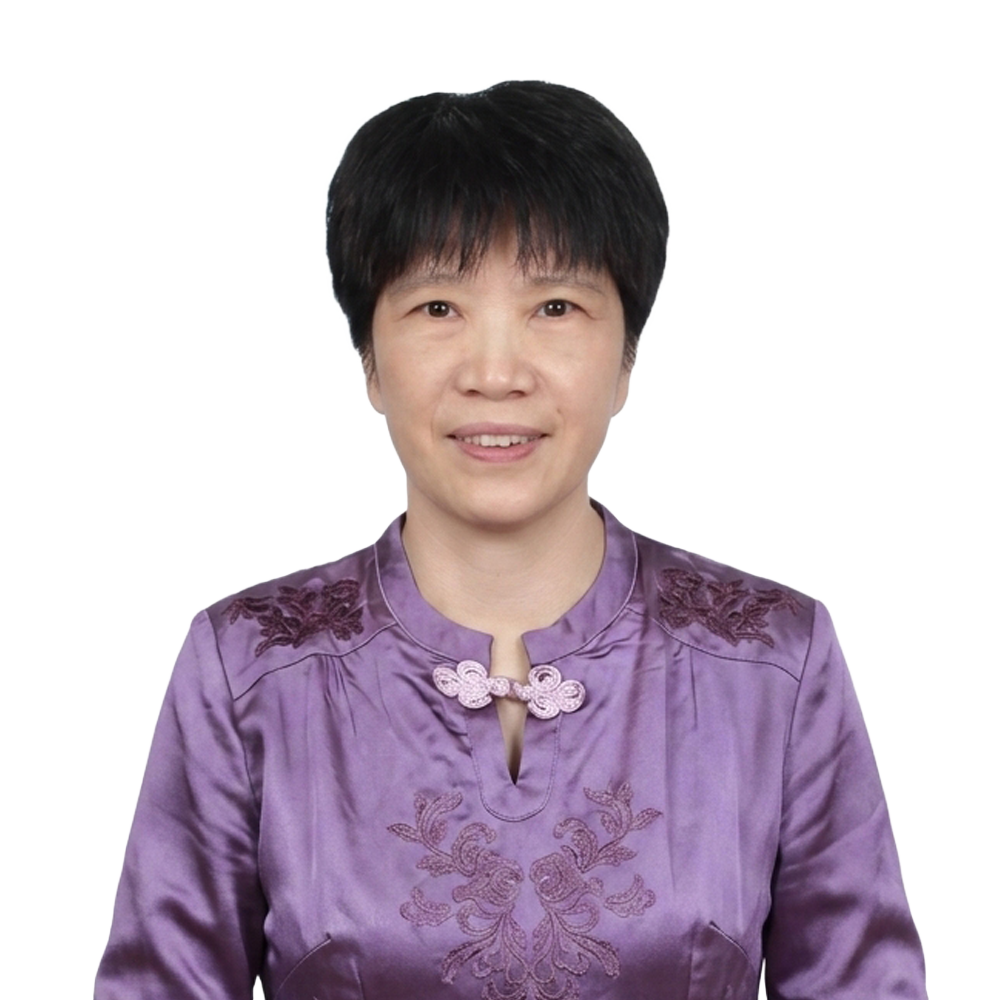
Professor Min Chen
Professor Min Chen
Professor Min Chen
Researcher, former deputy director of the National Resource Centre for Chinese Medica, China Academy of Chinese Medical Science; chairman China Association of Traditional Chinese Medicine of Medicine Food Homology Evaluation and Utilization Committee. Focus on the development of new resources of Chinese medicinal materials and health food, the research and formulation of quality standards for Chinese medicinal materials seeds and seedlings, and the revision of the catalogue of medicine food homology etc.
Expert Consensus on Food-Medicine Homology and Related Issues of Food-Drug Substances
By analyzing the historical development of the concepts, connotations, and practical applications of “food and medicine sharing the same origin” and “food-medicine substances,” this study highlights that the healthy development of the food-medicine industry is inseparable from traditional Chinese medicine theory and modern scientific evidence.
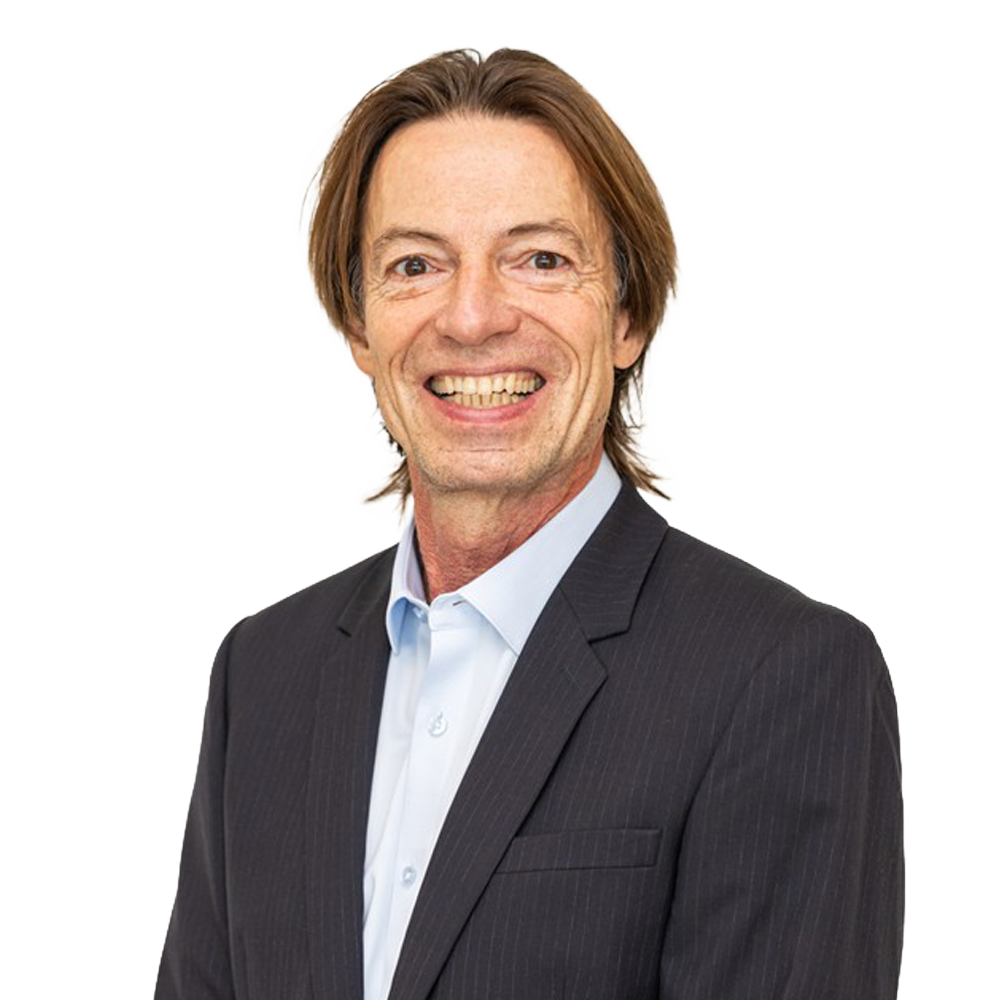
Mr Tom Heilandt
Mr Tom Heilandt
Mr Tom Heilandt
Tom Heilandt is an international food safety and standards expert with over 25 years of experience. He served as Secretary of the FAO/WHO Codex Alimentarius Commission from 2014 to 2023, guiding international food standards development and negotiations among more than 180 member countries. He is Director of TVH Global Advisory Limited in Hong Kong and Secretary General of the International Federation for Sustainability and Justice in Vienna, connecting civil society, business and international organizations to advance food systems transformation. As Senior Advisor to the Food Safety Consortium in Hong Kong, he has supported preparations for the Food as Medicine conferences in 2024 and 2026. His contributions have been recognized with the Chinese Government Friendship Award and France’s Order of Agricultural Merit.
Regulatory Challenges and Practical Next Steps — Opening and Closing Reflections
These opening and closing interventions frame the session and draw together its implications for credible food-as-medicine innovation. The opening introduces three questions: what evidence is needed to assess products, how health benefits can be communicated responsibly, and how regulatory pathways can become clearer for researchers and developers. Drawing on experience in international food standards, it highlights opportunities for dialogue and cooperation across countries. The closing reflects on the speakers’ contributions, identifying common ground, outstanding challenges and possible next steps. Together, the interventions invite participants to consider the most useful actions regulatory systems and stakeholders can take to support innovation while protecting consumer health and trust.

Associate Professor Andrea Bugarcic
Associate Professor Andrea Bugarcic
Associate Professor Andrea Bugarcic
After completing her PhD, Andrea held postdoctoral roles at Griffith University and the University of Queensland, researching protein trafficking in viral infections and Parkinson’s disease. As a lecturer at UQ, she developed and evaluated biomedical science curricula while building a profile in educational research. In 2015, she moved into educational leadership and joined National Centre for Naturopathic Medicine where she currently holds Deputy Director (Education) position. Andrea’s research interests focus on evidence acquisition and transferability into education and practice. As a scientist, Andrea’s research focuses on herbal molecular research in basic mechanism pathways involved in biofilms, cancer to Parkinson’s disease. Here, she brings together scientific approaches, traditional herbal knowledge and contemporary naturopathic practice to understand cellular and molecular impact of herbal constituents. As educational scientist, Andrea primary research is focused on evidence in health professions, with specific interest in traditional and contemporary evidence nexus applied in clinical practice. Andrea presented at various conferences and published widely across both fields.
Ethnobotanical and Traditional Evidence and Pre-Clinical Research – Alignment, Limitations and Opportunities
Traditional medicine is defined by the World Health Organization as the knowledge, skills, and practices developed within different cultures to maintain health and prevent or treat disease. Herbal medicines have long been a major component of traditional medicine, typically prepared as whole-plant remedies such as teas, decoctions, tinctures, powders, and poultices. However, modern drug discovery often applies a reductionist approach, isolating individual compounds from medicinal plants for testing in simple preclinical assays. While this can identify new drug candidates, it frequently overlooks the complexity, synergy, and traditional context of herbal medicines. To address this gap, we developed a Tradition-Research Nexus framework that integrates ethnobotanical evidence, traditional knowledge, and advanced preclinical research. The framework uses traditional medicine practices to guide the design of biologically relevant in vitro models and testing strategies. This presentation will outline the framework and demonstrate its application in cancer and UTI biofilm research, while discussing its opportunities, limitations, and implications for drug development, natural products industries, and knowledge custodians.
Professor Junshi Chen
Professor Junshi Chen
Professor Junshi Chen
Professor Junshi Chen is a world renowned food safety and human nutrition scientist, currently served as the chief adviser of China National Centre for Food Safety Risk Assessment. Prof. Chen’s research interests include: food safety risk assessment & risk communication, epidemiological studies on diet, nutrition and chronic diseases and Exercise is Medicine. Recently, he was appointed as the Chief Scientist, 2nd China National Food Safety Standard Reviewing Committee; Chair, Advisory Committee, 2nd China National Food Safety Risk Assessment Expert Committee. His other social responsibilities include: Deputy-chair, Expert Committee, Food Safety Committee of China State Council; President; etc.
Worldwide Regulatory Control of Food and Medicine Homology Substances
Medicine and Food Homology is an important concept in Traditional Chinese Medicine (TCM). To apply this concept into food research, development, production and consumption, the traget substance is “food and medicine substances”(the official term in China). The regulatory control of food and medicine substances mainly includes pre-market approval (safety and specification) and functional/health claims (evidence based). So far, there are no well established and harmonized international and/or national regulations and standards, which has become a limiting factor for industry development.
Note: Programme is tentative and is subject to change.