HKBU hosts second FoodMed Conference to deepen technology translation and broaden impact
- Friday, 6 Nov 2026
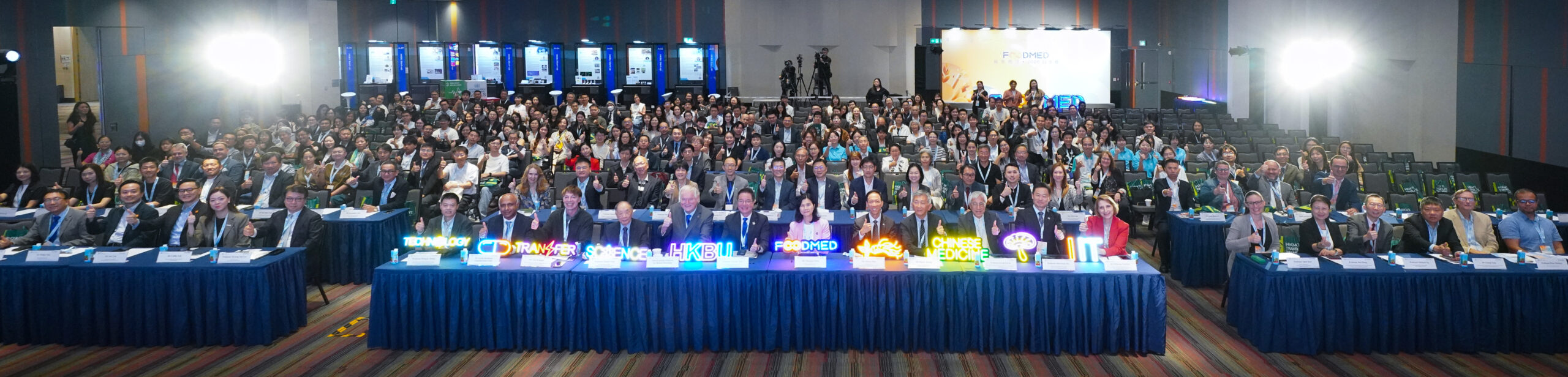
Hong Kong Baptist University (HKBU) hosted FoodMed Conference 2026 (FoodMed) on 5 and 6 November at the Hong Kong Science Park. Now in its second edition, the conference was held under the theme of deepening translation and impact, drawing interest from over 800 global regulators, researchers, scientists, industry leaders, investors, and other stakeholders. The conference focused on innovating with an evidence-based approach, accelerating technology translation, aligning regulation, and exploring business opportunities in the field of Food as Medicine (FAM) to address global health challenges.
FoodMed was organised by HKBU, Beijing Normal-Hong Kong Baptist University and the Food Safety Consortium, co-organised with Hong Kong Science and Technology Parks Corporation, and supported by its strategic partner Invest Hong Kong. It unites traditional wisdom with international strategies, scientific rigour, technology translation, and ecosystem development, with an aim to advance health and wellness by integrating food and traditional medicine into the modern health ecosystem.
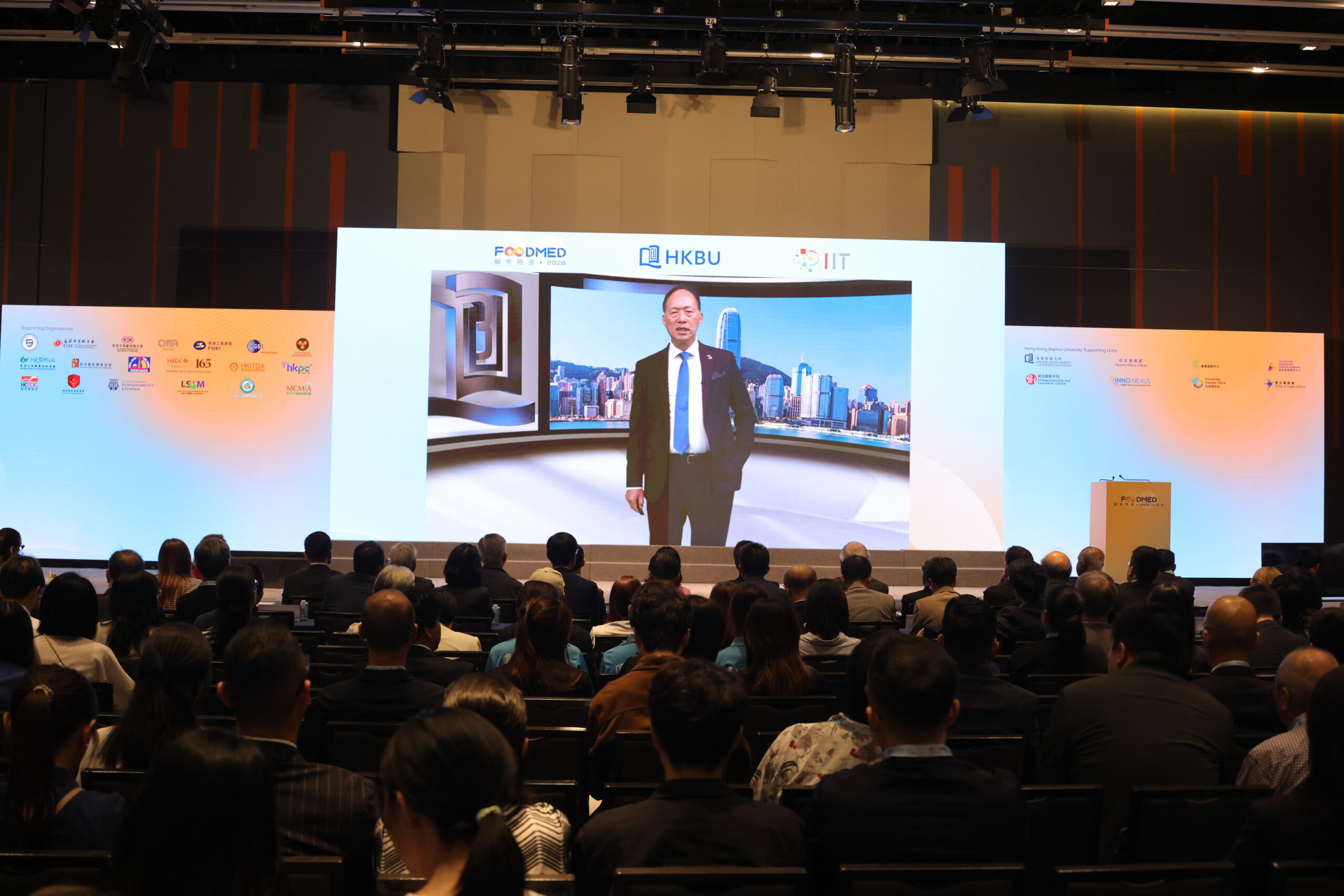
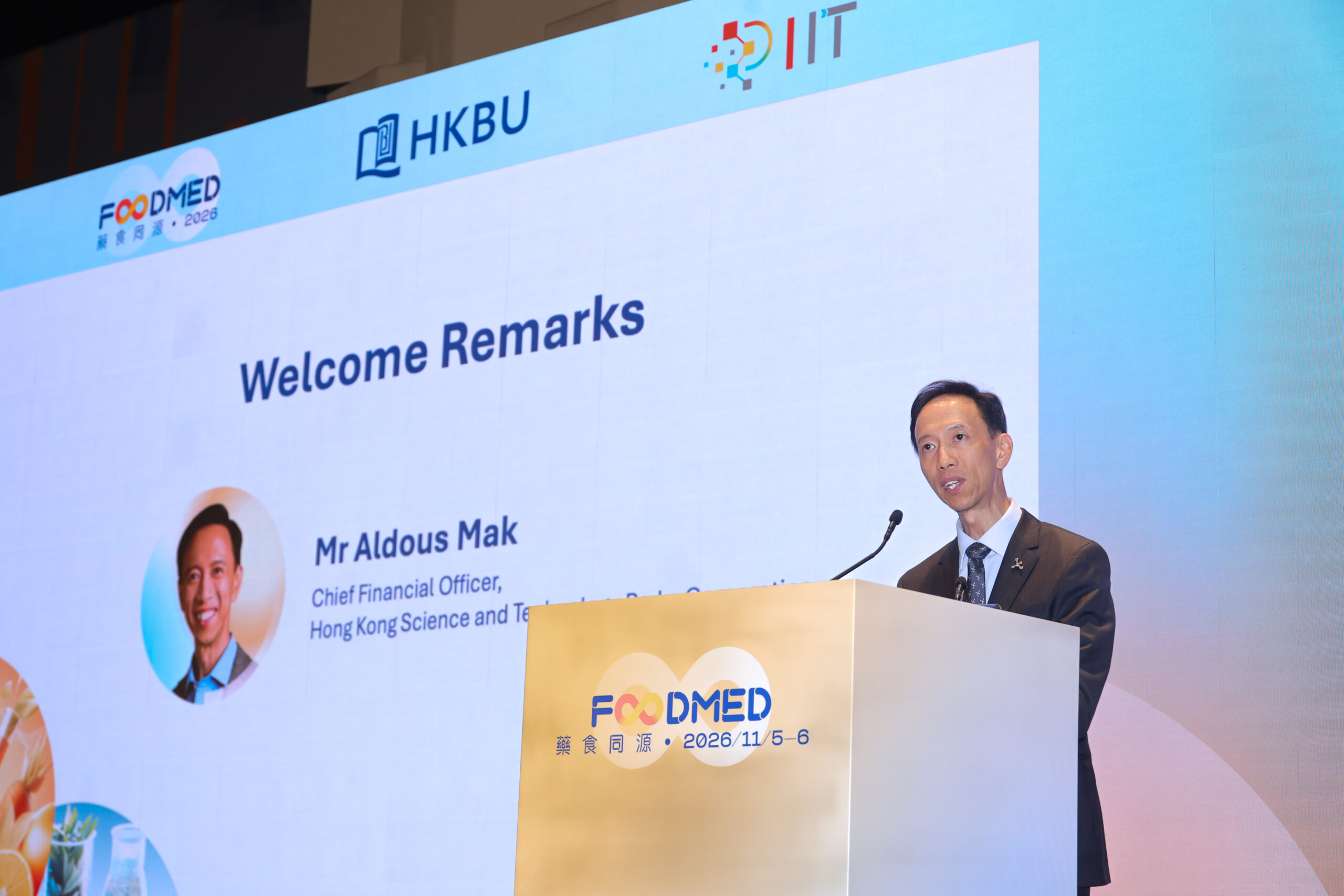
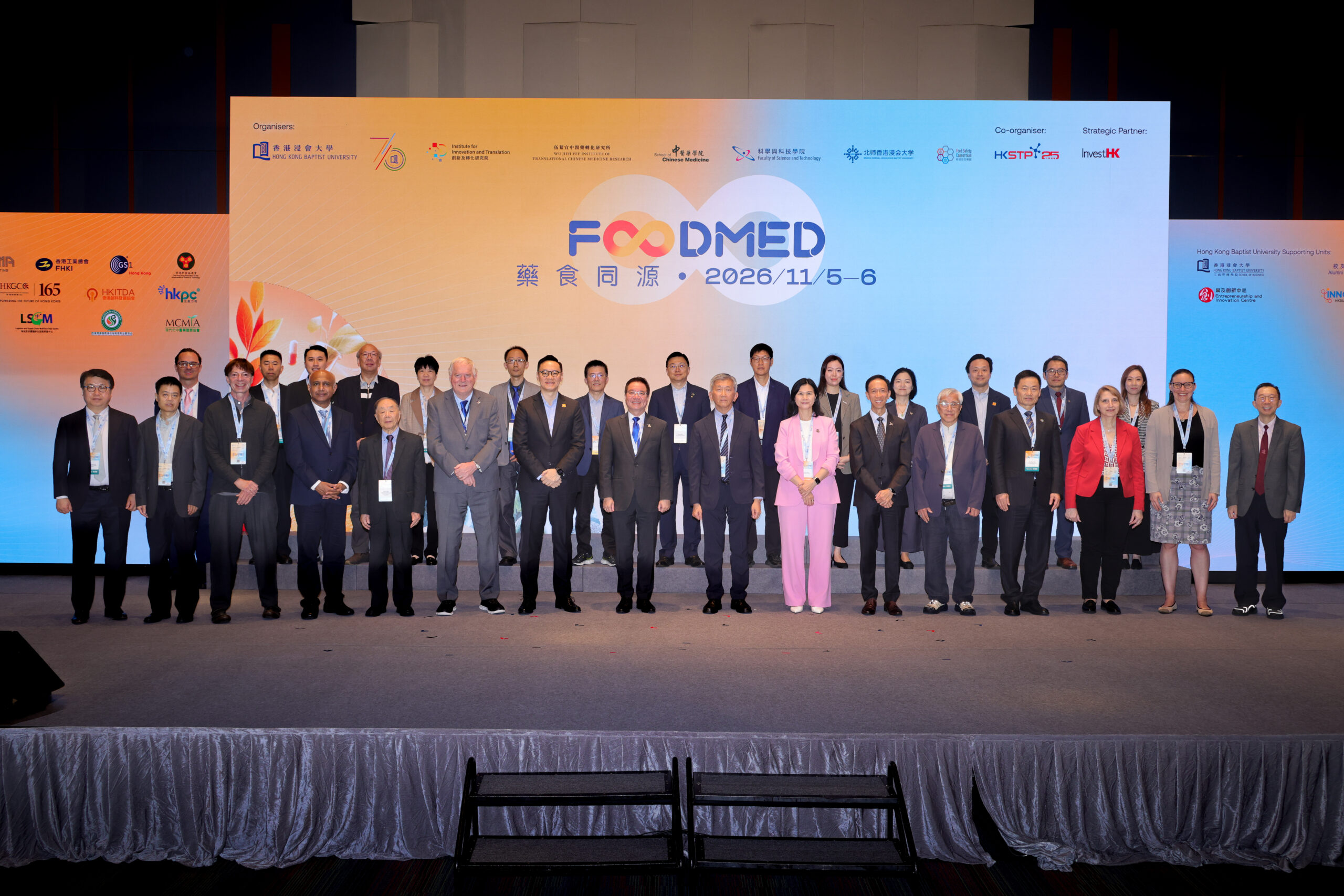
Professor Alex Wai, President and Vice-Chancellor of HKBU; Mr Aldous Mak, Chief Financial Officer, Hong Kong Science and Technology Parks Corporation; Dr Sylvie Briand, Chief Scientist and Assistant Director-General for Health Systems, Access and Data ad interim of World Health Organization (WHO); Ms Christine Chow, Vice-President (Administration) and Secretary of HKBU; Professor Terence Lau, Interim Chief Innovation Officer of HKBU; Mr Harry Yeung, Member of the Council and the Court of HKBU; Professor Michael Ng, Dean of the Faculty of Science and Technology of HKBU, and Nobel Laureate Professor Sir Michael Houghton, Co-founder of the Frontier Translational Medical Research Institute and Chair Professor of the Department of Biology at HKBU, kicked off the conference.
In his welcome address, Professor Alex Wai remarked that ageing populations, chronic diseases and rising healthcare costs are global challenges. As a result, there is growing recognition that health must be addressed not only through treatment, but also through prevention and wellness. He noted that national initiatives such as Healthy China and the modernisation of Chinese medicine in the Chinese Mainland, along with the policies of the Government of the Hong Kong Special Administrative Region (HKSAR), highlight the importance of innovation and technology in advancing healthcare and the strategic development of Chinese medicine. He added that FoodMed Conference 2026 has brought together participants from around the world, with a shared commitment to advancing scientific understanding, fostering innovation, and translating innovations and knowledge into solutions that can benefit people.
Mr Aldous Mak said: “Bringing FoodMed to Science Park reflects a shared ambition: we want to bring together academia, industry, investors and entrepreneurs to accelerate innovation and commercialisation in functional food, nutrition, and Chinese medicine. Through FoodMed, we can strengthen partnerships, create new pathways for commercialisation, and help innovative solutions reach patients and consumers both in China and around the world.”
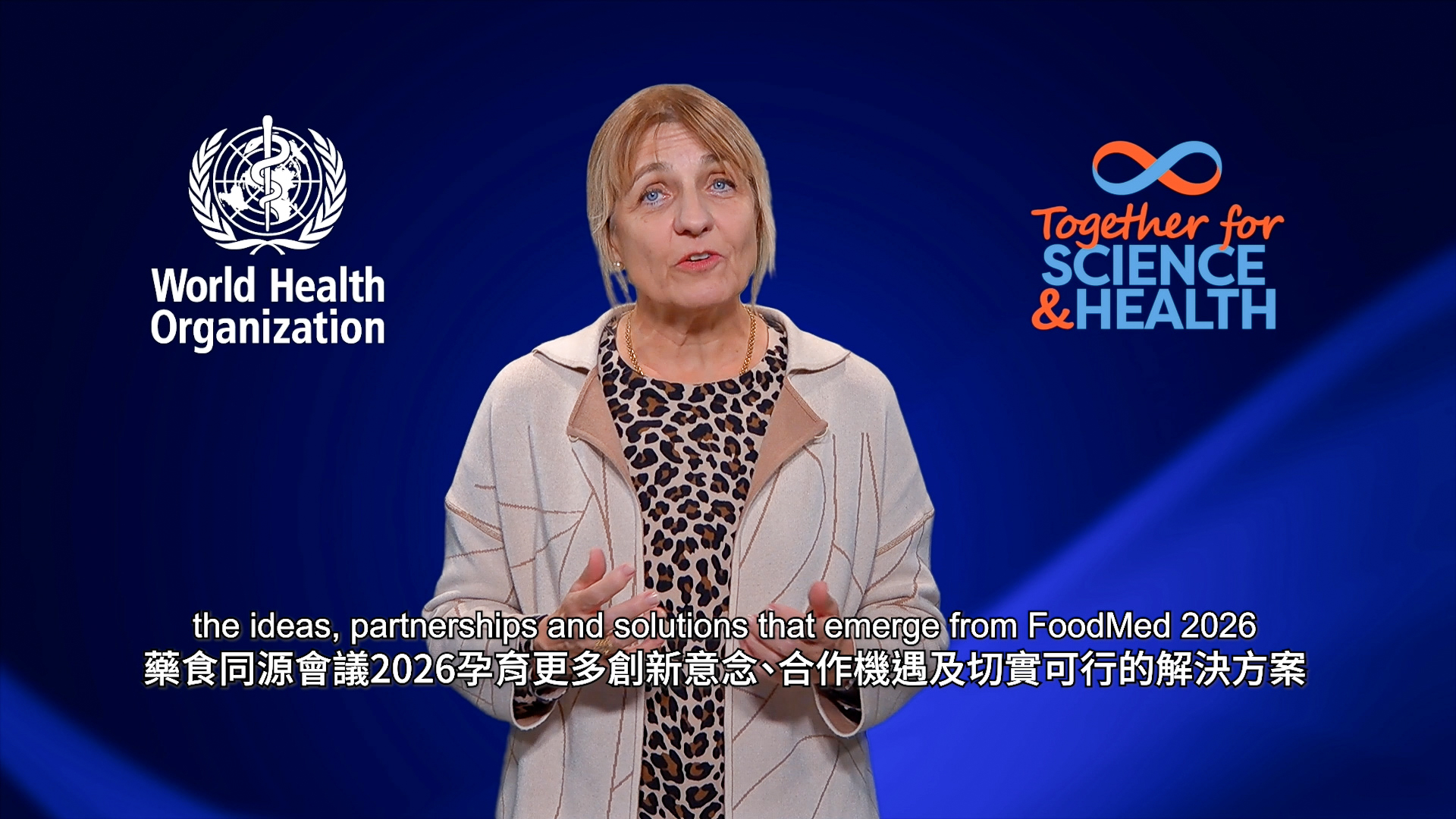
Dr Sylvie Briand also shared a welcome message with the conference. “Health systems of the future must place far greater emphasis on prevention, health promotion and the broader determinants of health,” she said, and highlighted that, to help realise this vision, WHO’s Global Traditional Medicine Strategy for 2025-2034 calls for the integration of safe and effective traditional, complementary and integrative medicine into health systems, based on scientific evidence. “In exploring links between food and health we must bring traditional knowledge and rigorous science together,” she added. “Gatherings such as FoodMed bring together researchers, healthcare professionals, policymakers, innovators and industry to address challenges that no single discipline or sector can solve alone.”
During the two-day conference, 45 speakers shared how traditional knowledge and modern science can work together to address global health challenges. Attendees gained insights into the global strategies outlined by speakers representing the WHO Global Traditional Medicine Centre; the United Nations Industrial Development Organization (UNIDO); the International Atomic Energy Agency; the Food and Agriculture Organization of the United Nations (FAO); the China National Centre for Food Safety Risk Assessment (CFSA); as well as by other global experts.
Scientists and industry leaders presented the latest innovations and technologies to enhance the efficacy and safety of foods and traditional medicines, and build evidence of their medicinal properties. They also examined evidence-based translational research approaches, projects, and research infrastructure that support the use of specific foods, herbs, or dietary interventions to prevent and treat diseases. Industry leaders and start-up companies also shared their insights into the FAM market landscape and investment opportunities across regions.
Mr Ali Badarneh, Chief of Food Security and Food Systems Unit of the Division of Agribusiness and Infrastructure Development and Directorate of Sustainable Development Goals Innovation and Economic Transformation of UNIDO, shared the importance of building a safe, sustainable and inclusive value chain to bridge science and industry and transform FAM innovations into safe, scalable, investment-ready and marketable products. “Hong Kong could be a very important player in advocating and bringing stakeholders together to shape the way forward for this important topic. It could be the bridge for knowledge sharing and enabling technology translation into concrete projects and programmes.” He added that the joint statement announced earlier this year by the Innovation, Technology and Industry Bureau of the Government of the HKSAR and UNIDO provides a broader framework for exploring deeper cooperation in FAM, linking innovation, industrial development and international partnership.
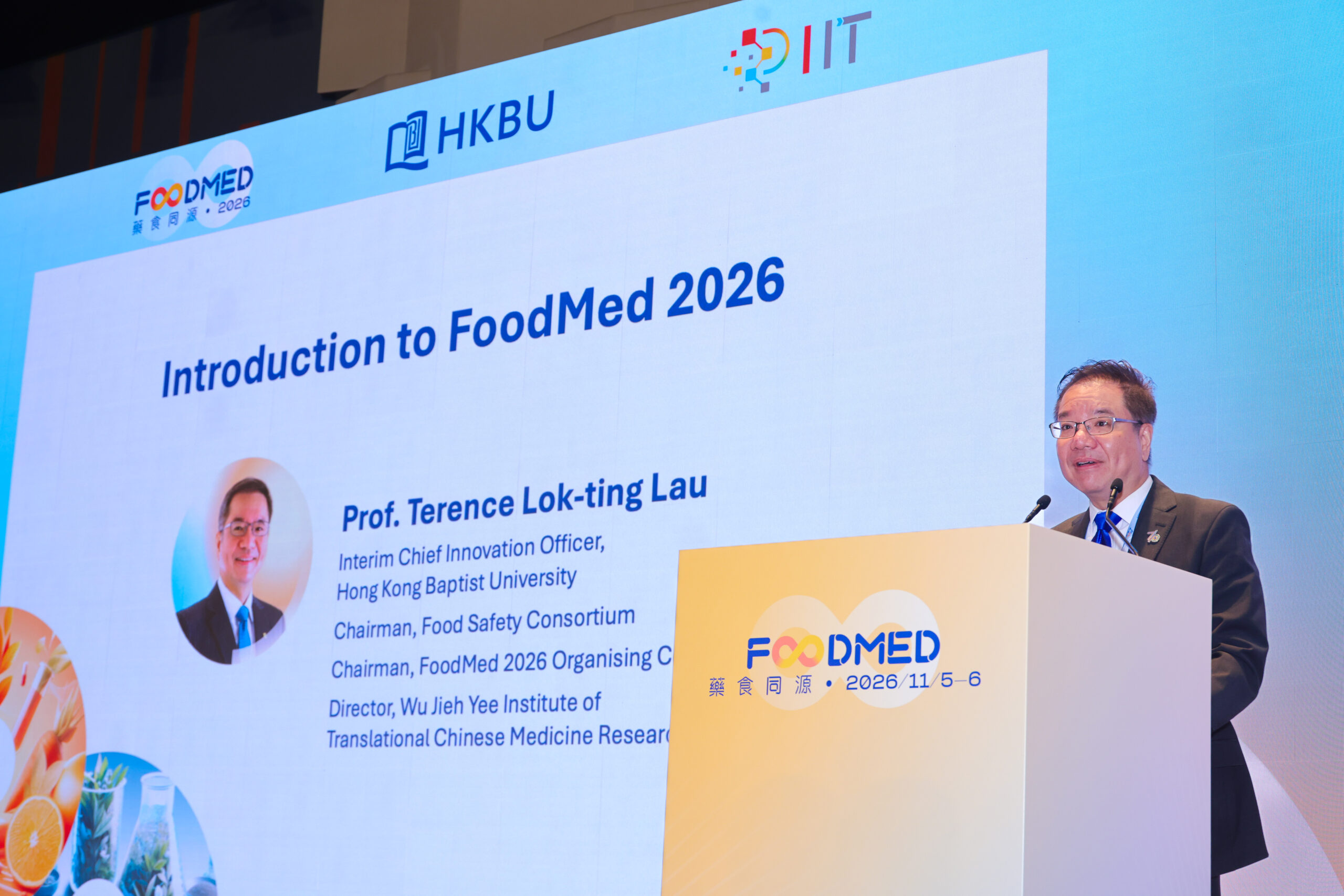
Professor Terence Lau, who is also the Chairman of the FoodMed 2026 Organising Committee, said: “Food as Medicine is inherently interdisciplinary, bringing together expertise across nutrition science, traditional Chinese medicine, biomedical research, public health, technology, regulation, industry and policy. Advancing the field requires coordinated efforts across the entire innovation-to-implementation continuum; it is therefore especially powerful that FoodMed has brought together voices from prominent international organisations, alongside leaders from academia, industry and government, to drive discussions and initiatives that connect innovation, sustainability, public health and economic development.”
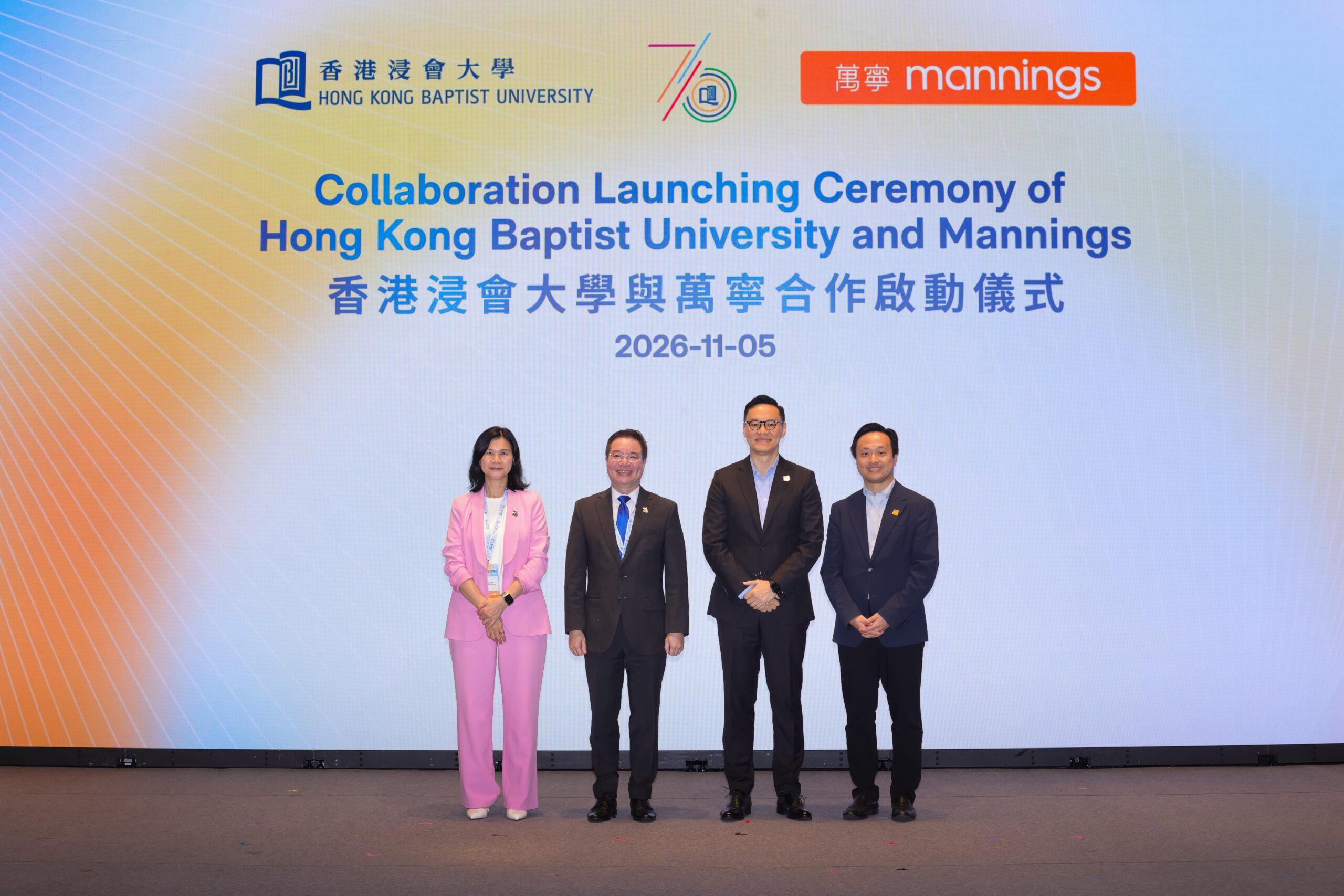
At the conference, HKBU and Mannings announced a collaboration to advance healthcare. Professor Terence Lau and Ms Christine Chow officiated at the launching ceremony together with Mr Alex Liu, Managing Director of Mannings, Hong Kong, Macau and China of DFI Retail Group, and Mr Philip Chiu, Head of Professional Services of Mannings of DFI Retail Group. The partnership will leverage HKBU’s strength in Chinese medicine and translational research capabilities to develop innovative healthcare products with the vision of advancing health in the community.
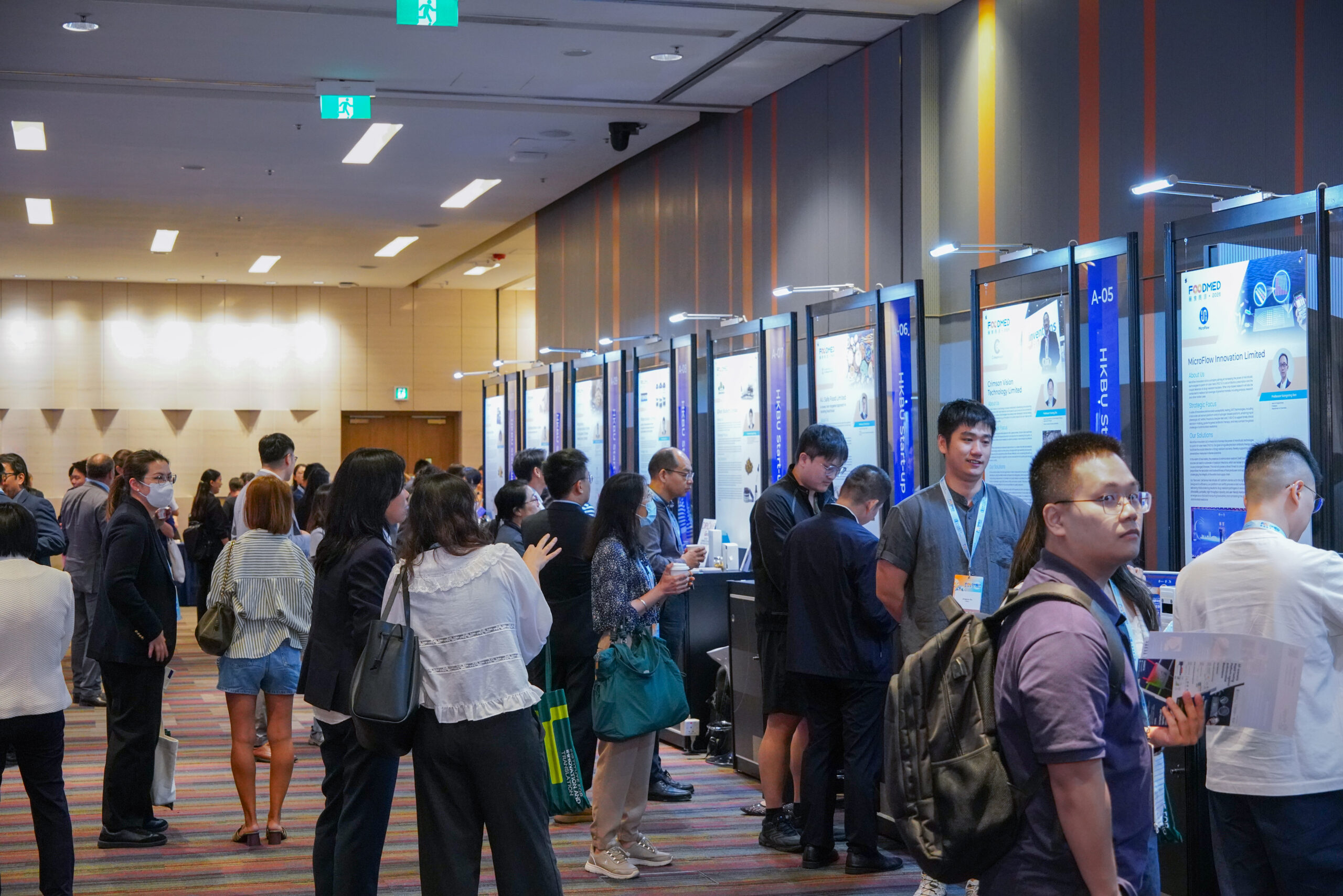
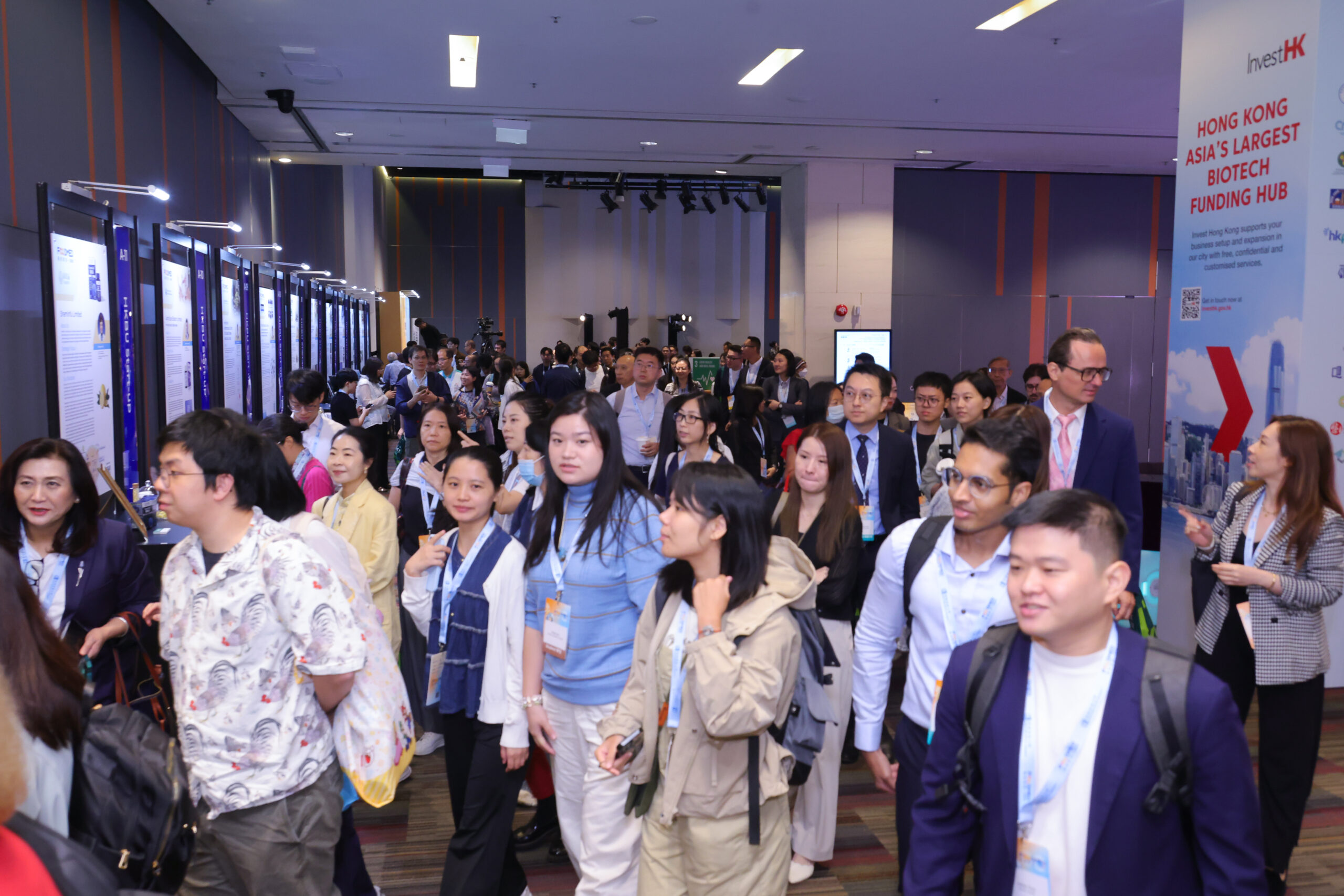
Alongside keynotes and plenary sessions, the conference featured an exhibition and an entrepreneurship pitching session. Both showcased HKBU’s emerging pipeline of over 30 translational innovations and start-ups in FAM-related areas, fostering exchanges between innovators, entrepreneurs and investors to accelerate the next wave of health and wellness innovations.
– End –